Astrology
Astrology symbols and meanings
The seven wandering lights, and the metals that were said to answer them.
Astrology here means the lights, the twelve houses, and the signs cut for them. The seven wandering lights are the old set: Sun, Moon, Mercury, Venus, Mars, Jupiter, Saturn. Earth was not one of the wanderers. It was the floor. Uranus, Neptune, and Pluto were added after telescopes, and the glyphs for them are modern inventions with authors and arguments. The zodiac pictures are older than the printer’s glyphs. A ram in the sky is not the same object as the two curls of ♈. Tropical signs are thirty-degree slices counted from the March equinox. Precession has moved the stars. A sun-sign column keeps the temperament and drops the sky. This tradition hub holds both the sky and the shorthand. It does not pretend they were born on the same day. A column that says only “you are a fire sign” has kept a temperament and lost the sky it came from.
The seven lights organized a world: metals, days, organs, humors. That organization is the tradition. It is also the reason a new planet is a theological problem and not only an astronomical one. Uranus does not inherit a metal by being discovered. The pages for the later planets say what glyph was proposed, and by whom, instead of pretending the printer’s case was already full in Babylon.
28 marks in the lexicon. A symbol can sit in more than one tradition. The page says which use is which.
Start here. Sun. The Sun is the light the old seven are organized around, and the glyph is still the one in type.
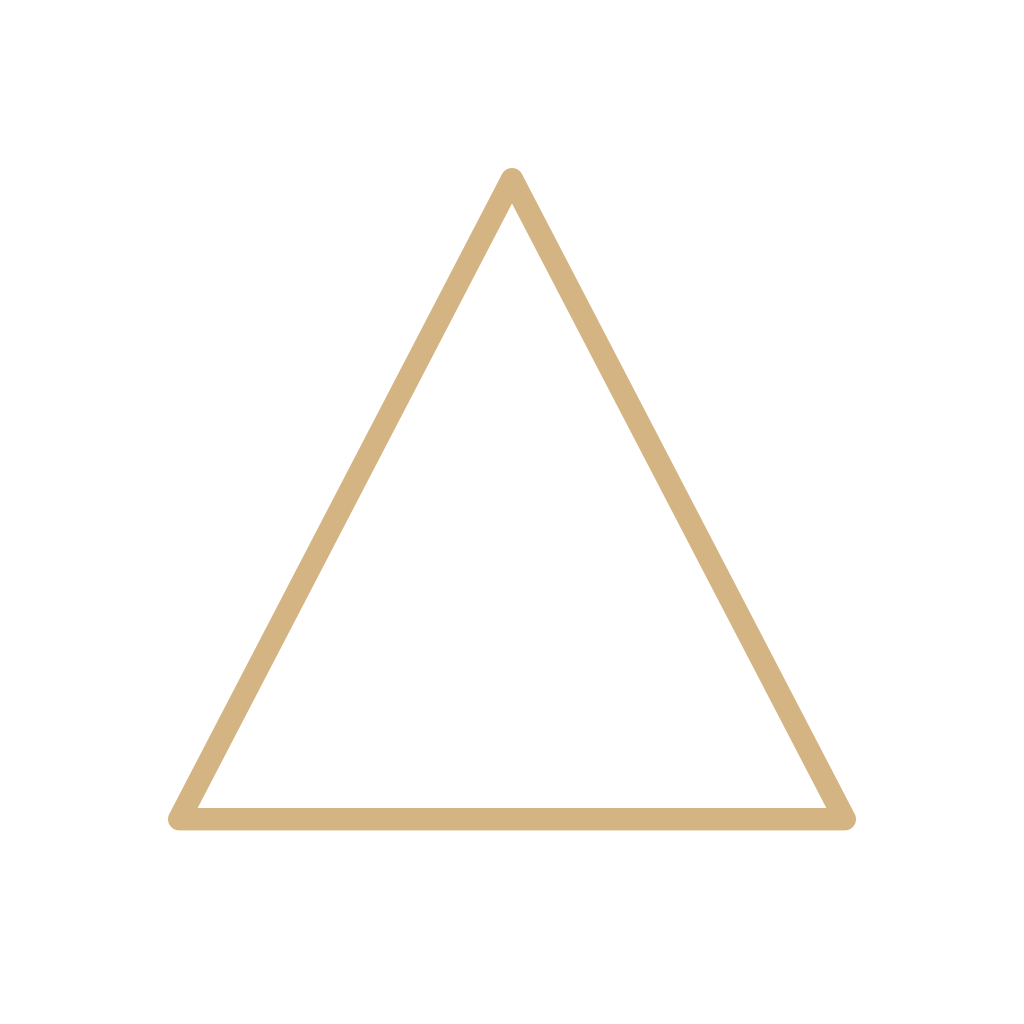 FireHeat that rises, and the temper called choleric.
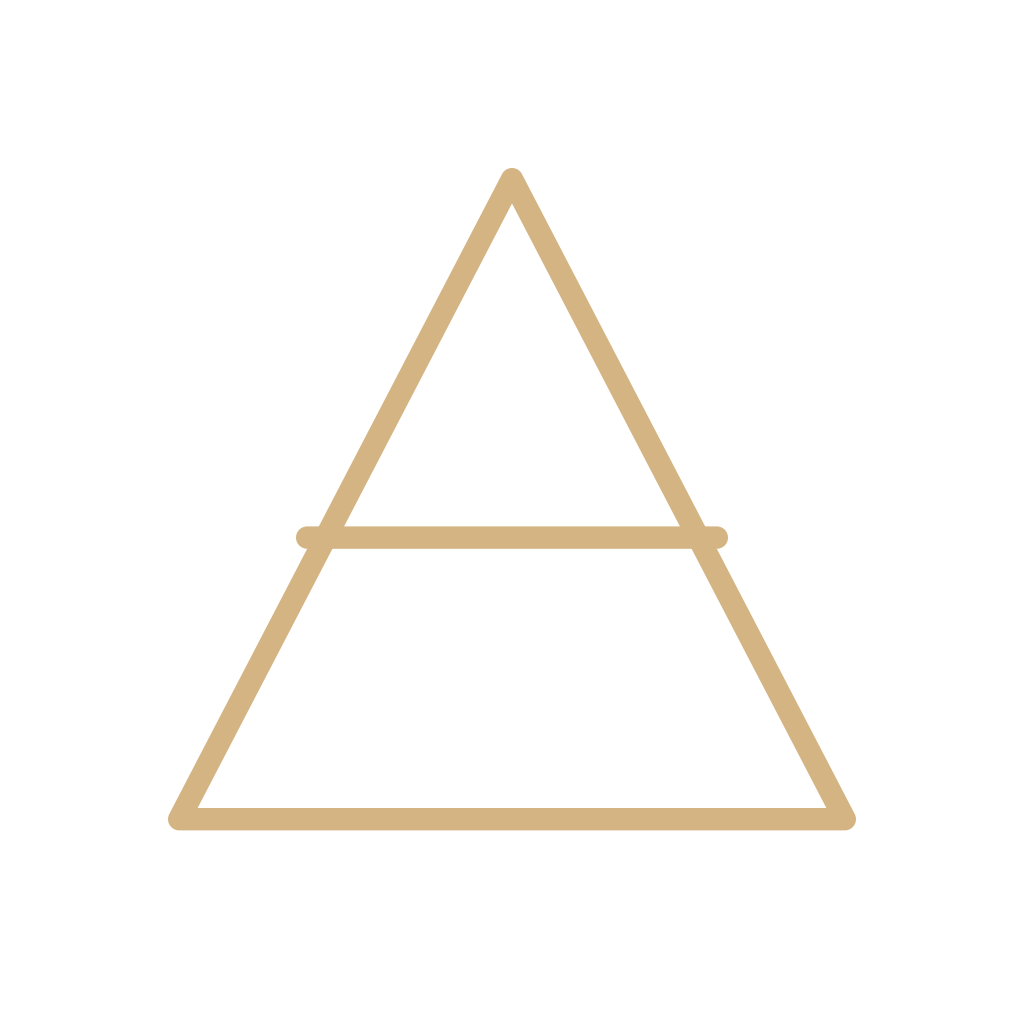 AirHeat that does not scorch: blood, spring, thought.
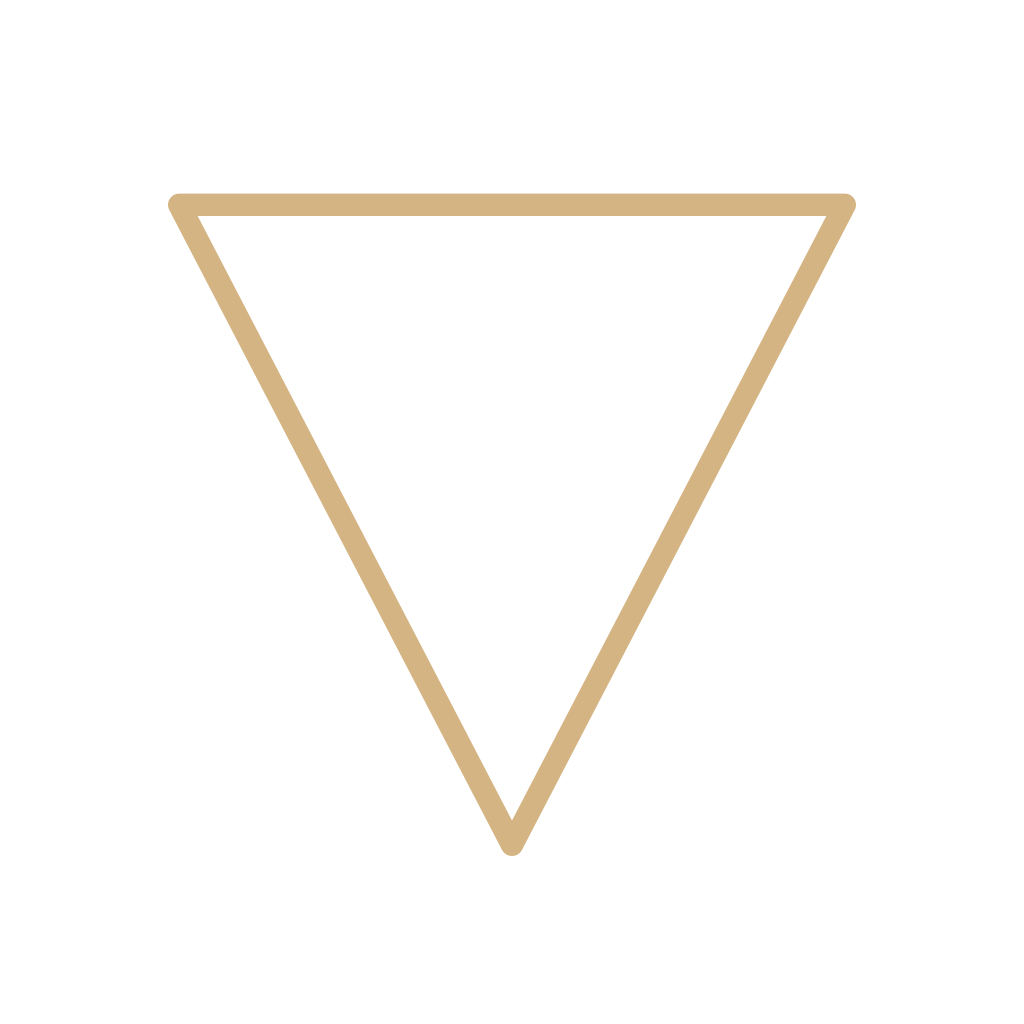 WaterWhat sinks, gathers, and is felt before it is argued.
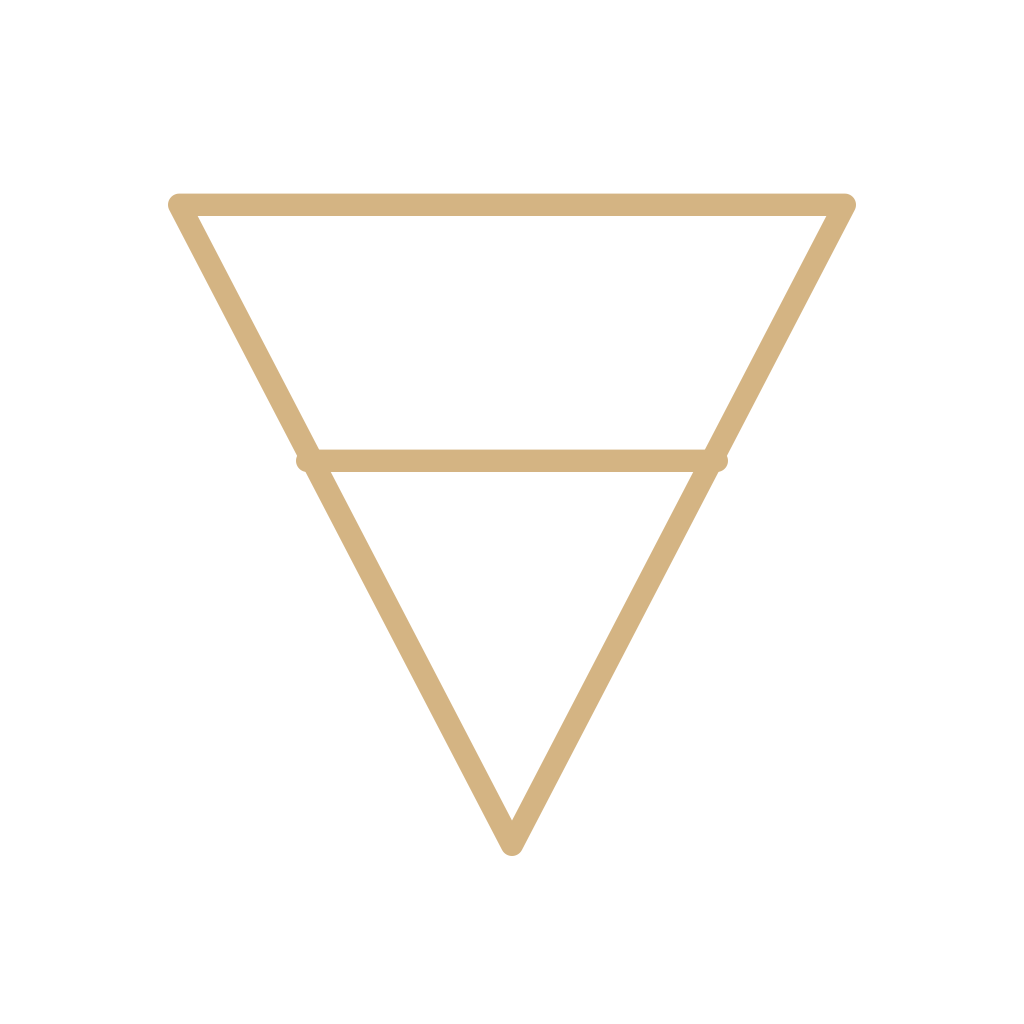 EarthWeight, melancholy, and the body that remains.
 SunThe center, and the metal that does not tarnish.
 MoonWhat changes on a schedule, and still returns.
 MercuryThe go-between. Metal, planet, principle, and a god who travels.
 VenusCopper’s mark, long before it was a gender icon.
 MarsIron’s mark: a blade’s metal, and later a sex.
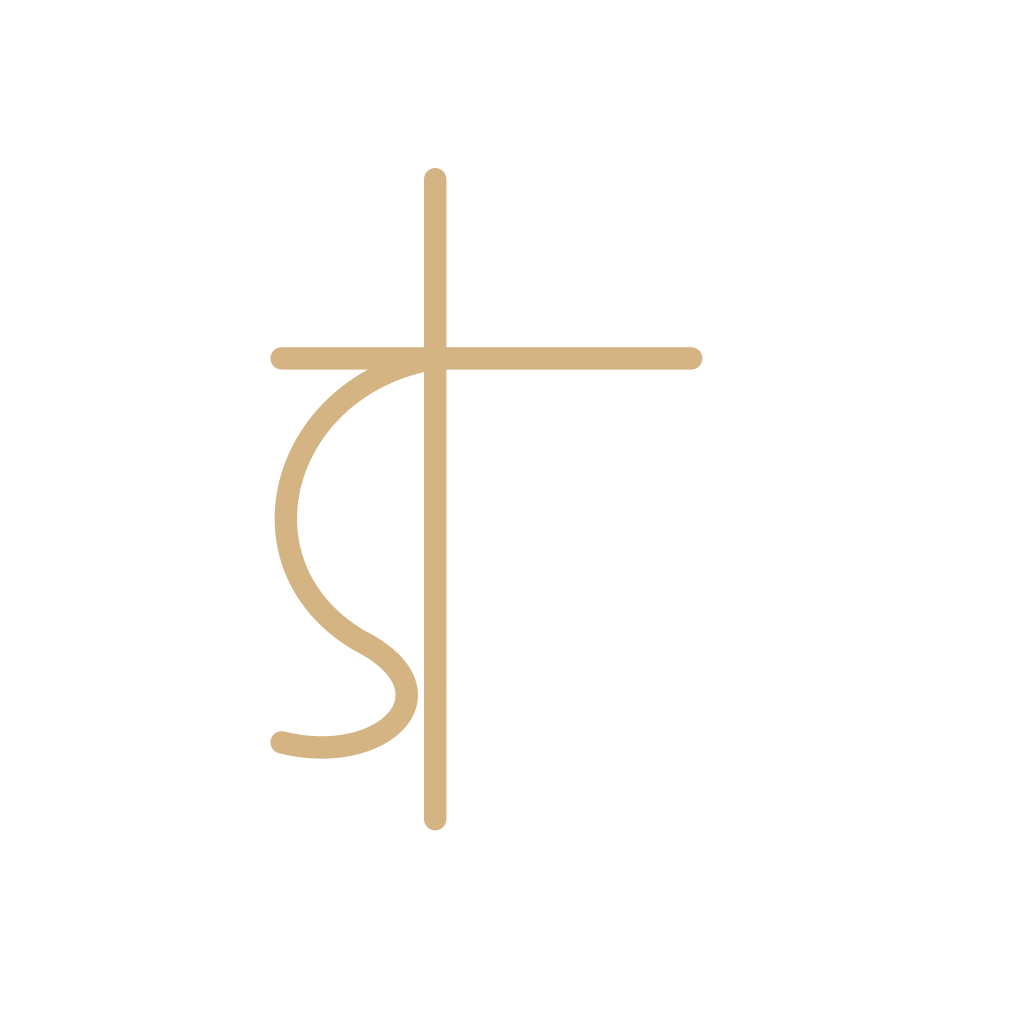 JupiterTin, kingship, and the god who enlarges.
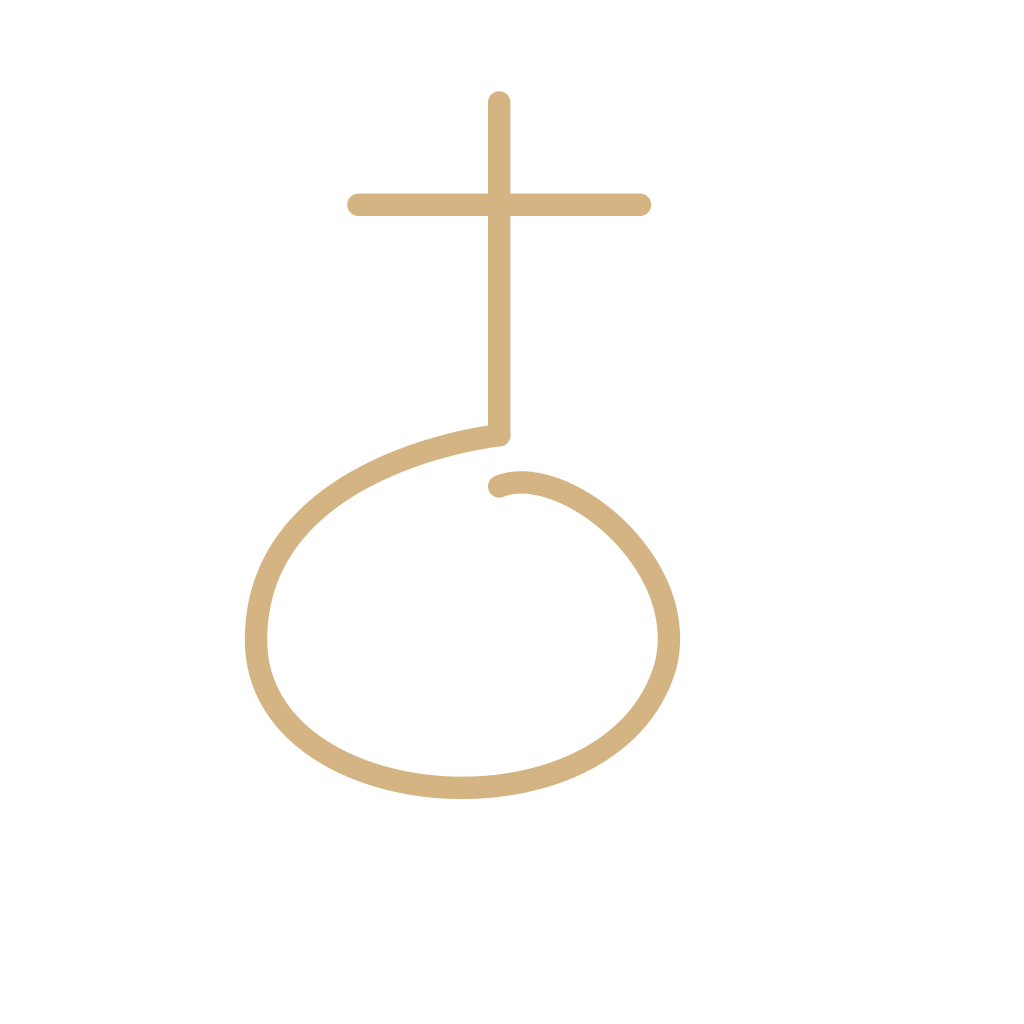 SaturnWeight, time, and the stage of the work you cannot skip.
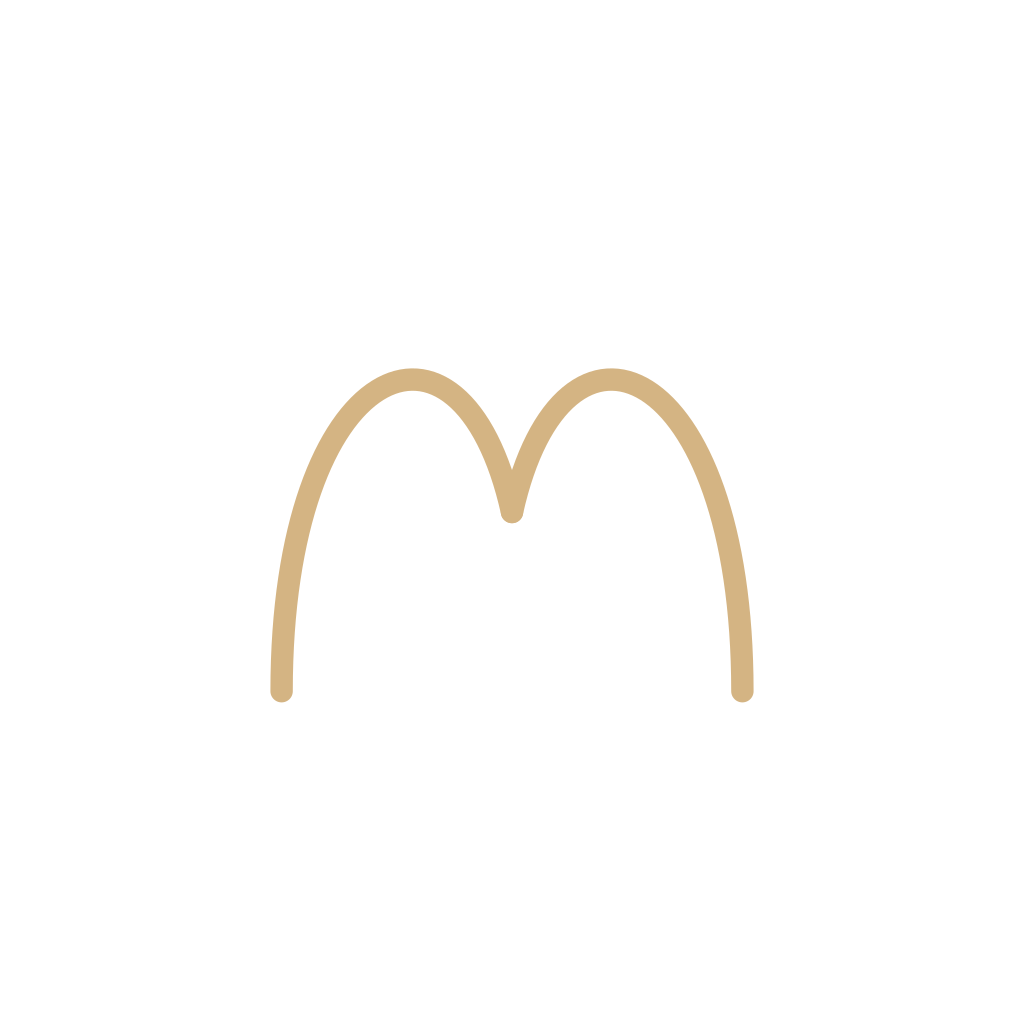 AriesThe first slice of the sun’s year, drawn as a ram.
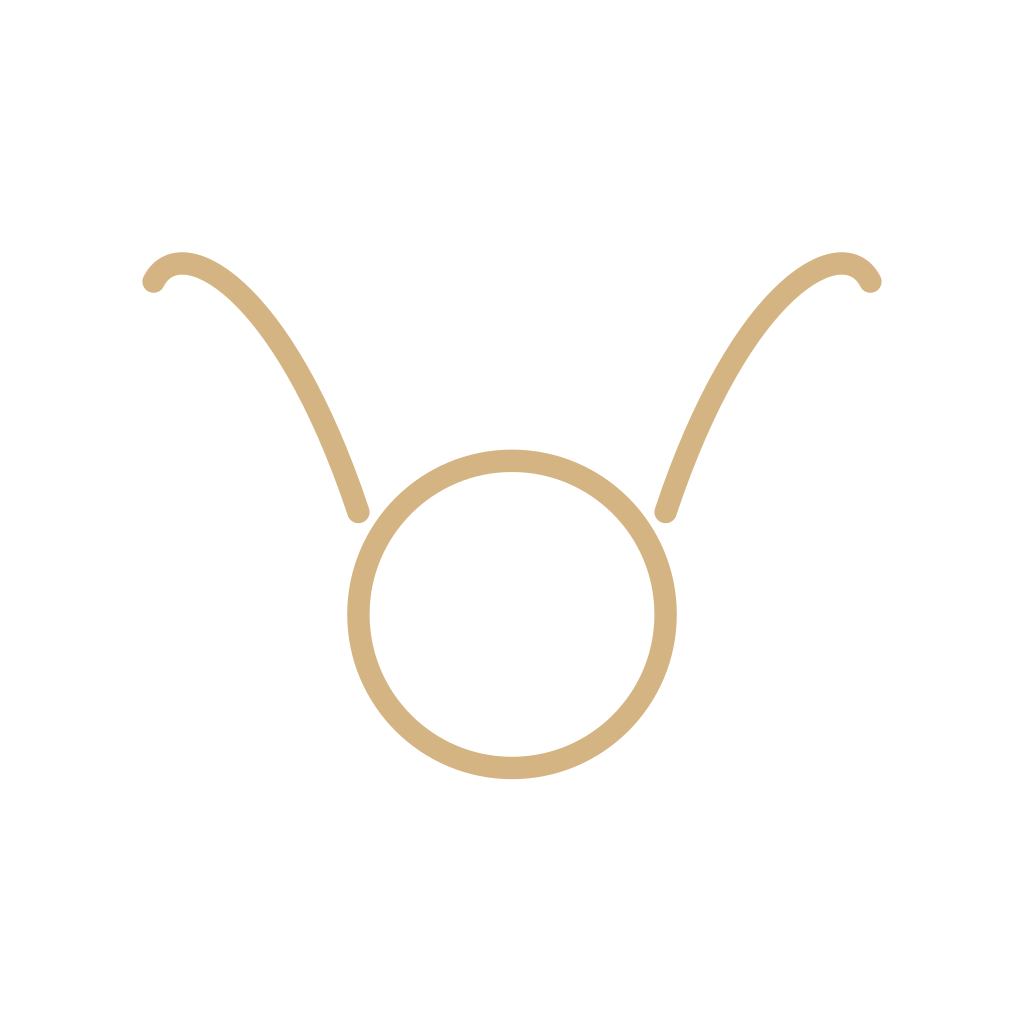 TaurusA bull on the ecliptic, and a circle with horns in type.
 GeminiTwo pillars. The twins are the story. The mark is the abbreviation.
 CancerA crab, and the sign where the sun used to turn.
 LeoA lion on the ecliptic. The tail in the glyph is the identifier.
 VirgoA woman with a sheaf. The glyph is an M that learned to write.
 LibraScales, set where the year balances — and once the scorpion’s claws.
 ScorpioA scorpion. The glyph keeps the sting so you do not read it as Virgo.
 SagittariusAn arrow. The centaur is the story. The mark is the weapon.
 CapricornA goat and a fish sharing one body. The glyph keeps both.
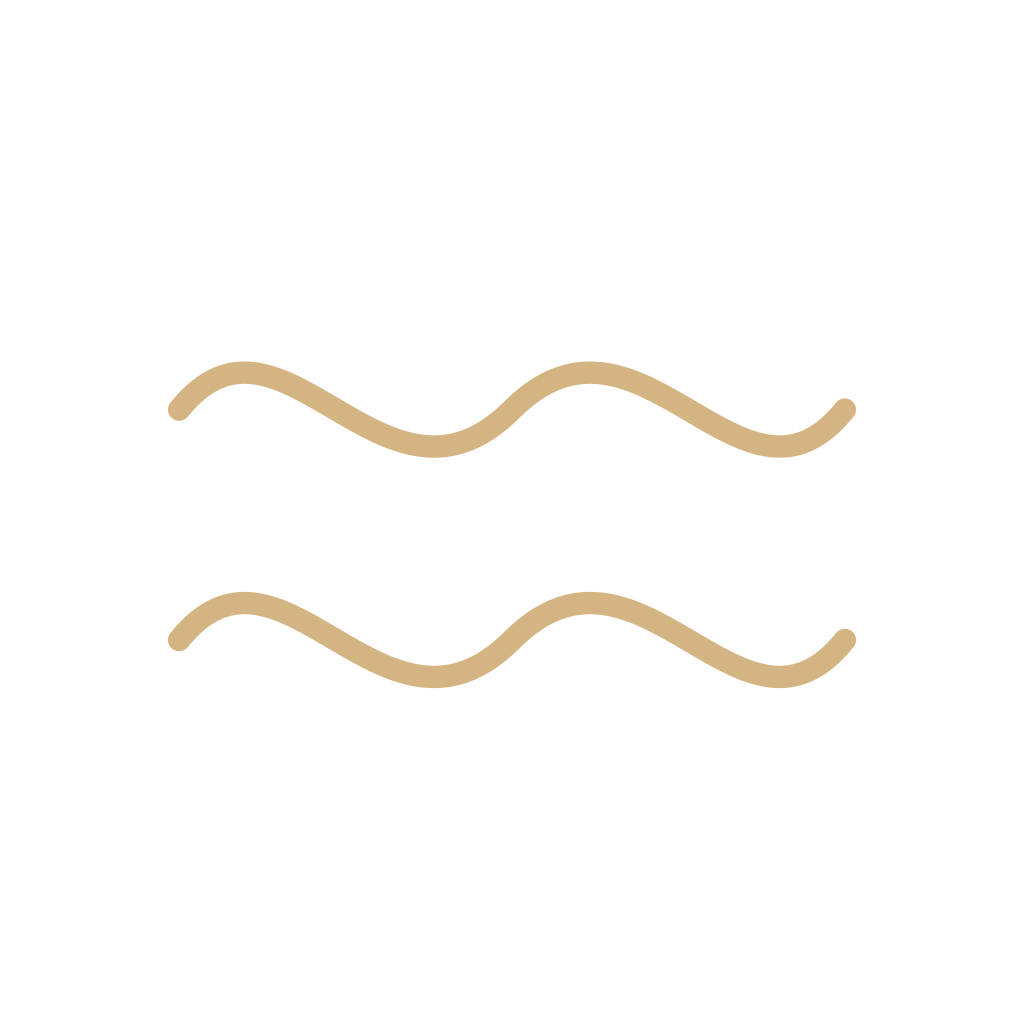 AquariusTwo waves. A person pouring is the picture. The mark kept the water.
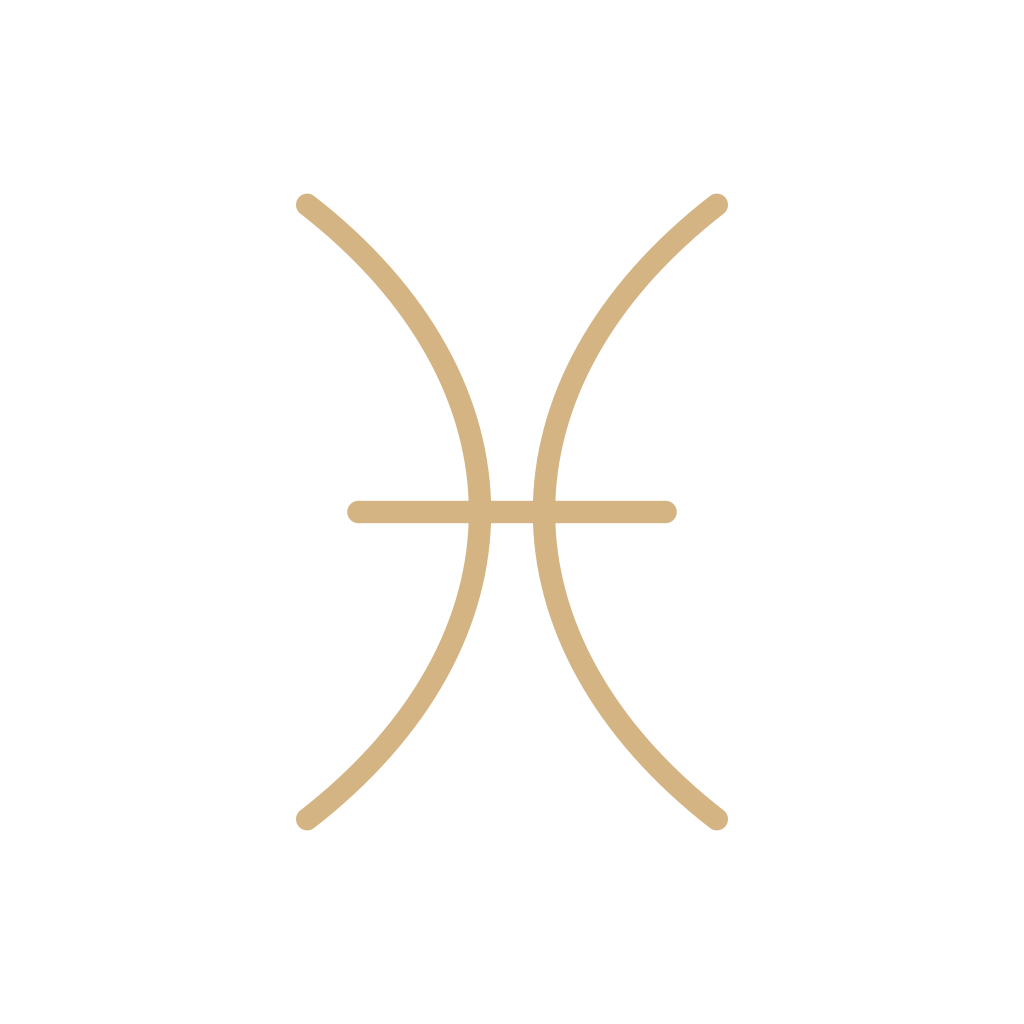 PiscesTwo fish tied by a cord. Not the Christian ichthys.
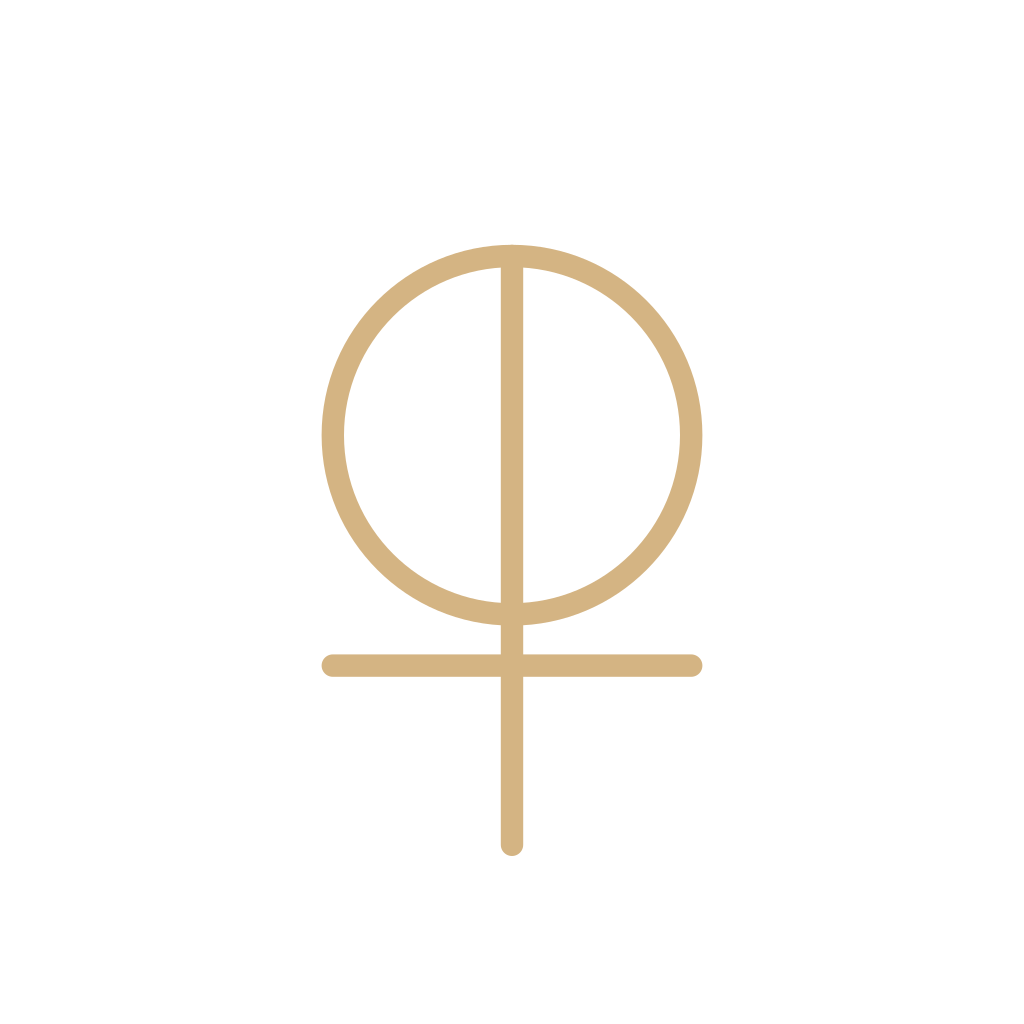 Planet EarthThe floor of the old cosmos, given a sign only after the wanderers had theirs.
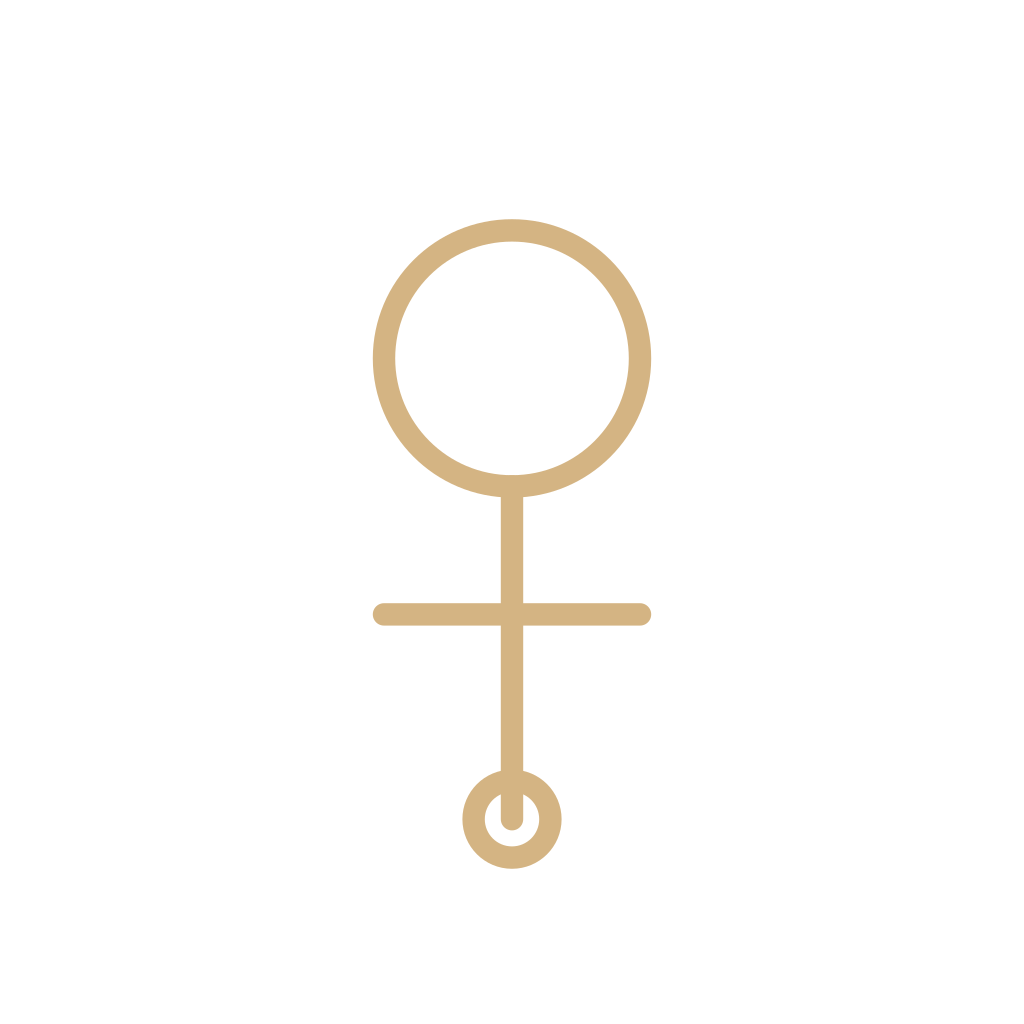 UranusThe first planet found by telescope, and the one with two glyphs that will not agree.
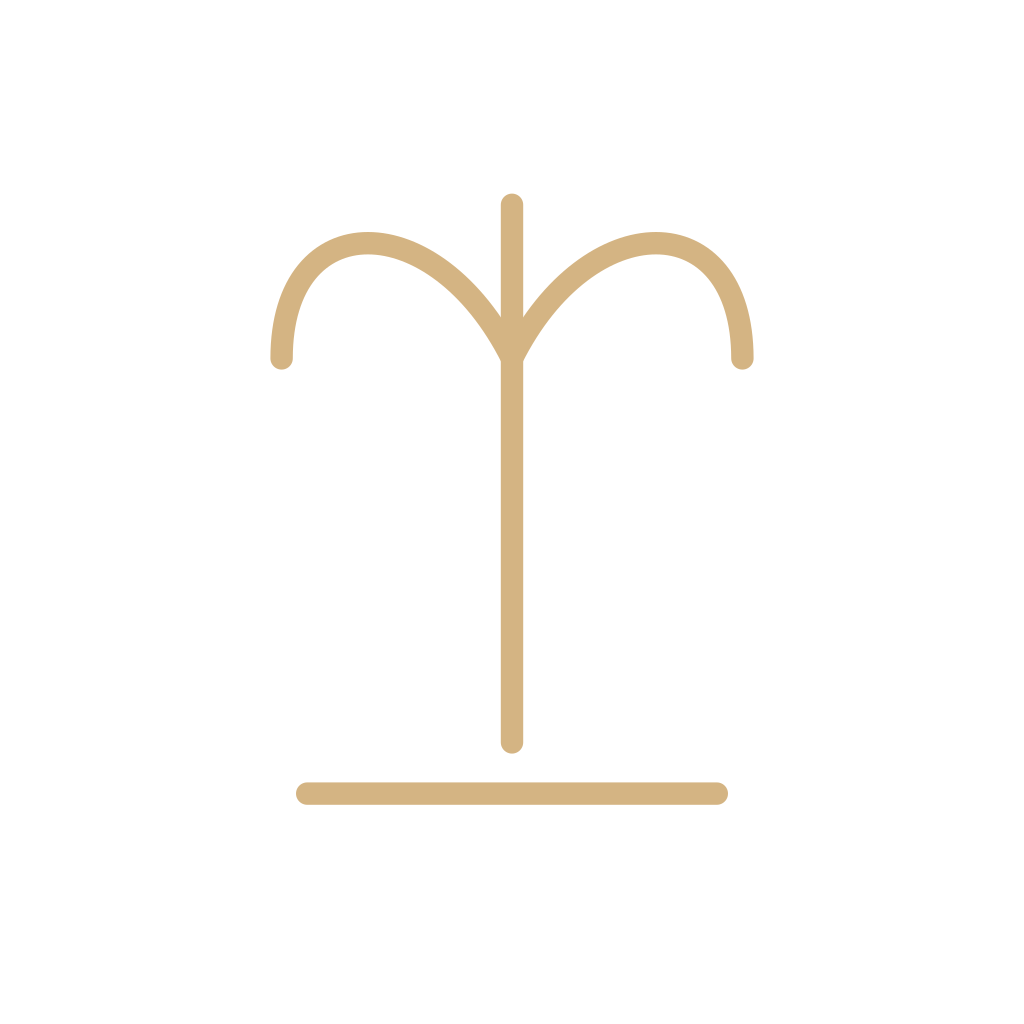 NeptuneA planet predicted on paper before it was seen, then marked with a trident.
 PlutoA monogram for Percival Lowell that outlived the category the planet was put in.
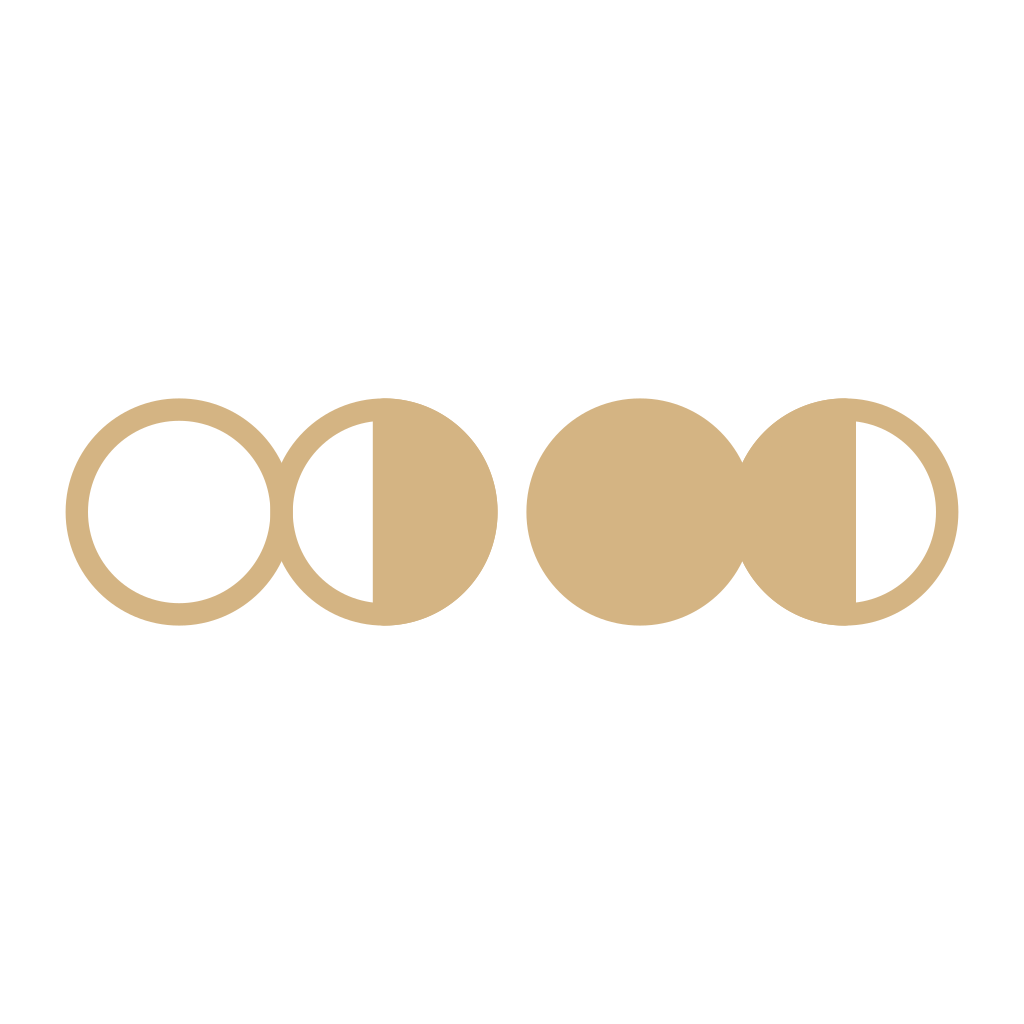 Lunar phasesThe moon’s appearances in a month, drawn here as four discs. Not the alchemical moon.
Questions
What are the main astrology symbols?
The main astrology marks here are the seven lights — Sun, Moon, Mercury, Venus, Mars, Jupiter, Saturn — and the twelve zodiac signs. Earth, Uranus, Neptune, and Pluto are later additions to the planetary set. The printed zodiac glyphs are medieval and early modern shorthand. The constellations are older than those glyphs.
What is the oldest astrology symbol here?
The Sun and the Moon, as lights with signs, are as old as the practice of naming the sky. Mesopotamian lists already sort the wanderers. The familiar glyphs, a circle with a point for the Sun and a crescent for the Moon, are the forms that survived into type. They are not the oldest drawing of a disk or a crescent in the world. They are the oldest pair that this cabinet still uses as astrology.