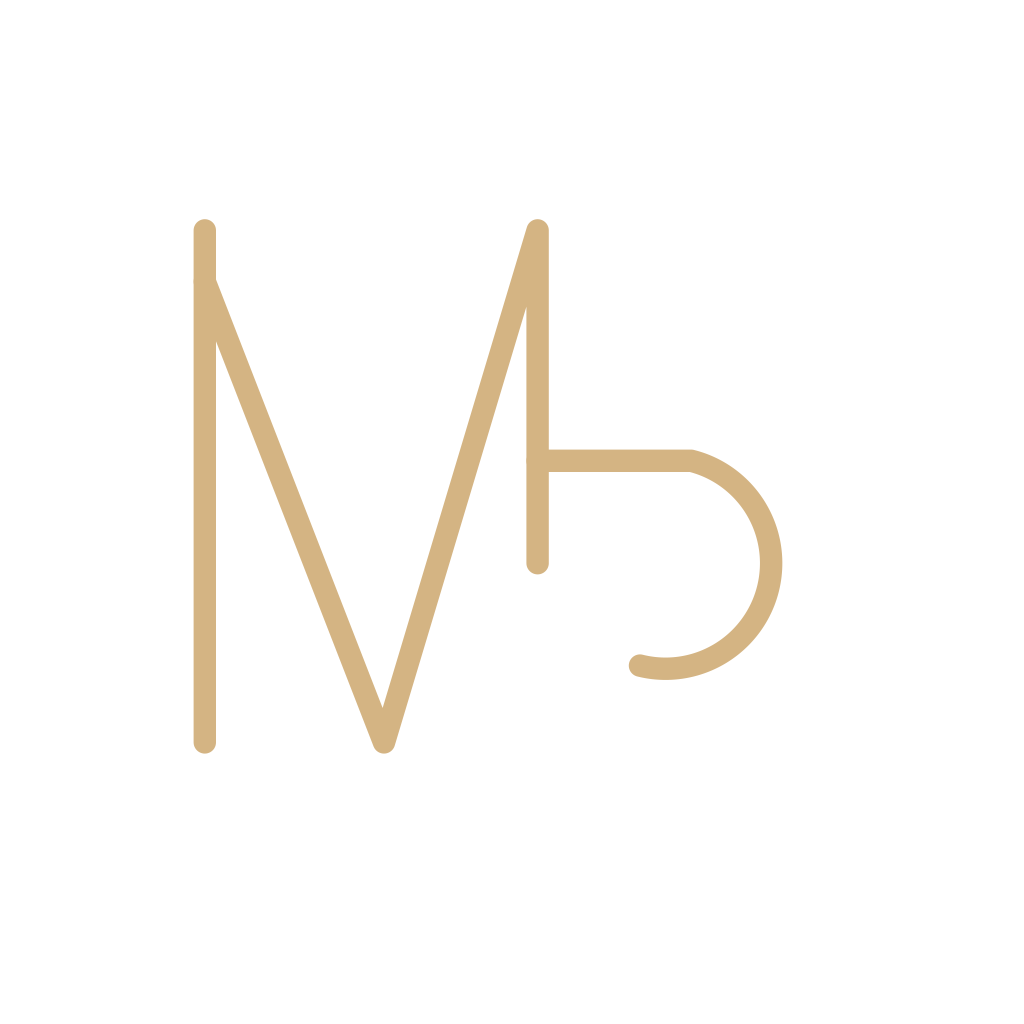
At a glance
- Meaning
- Virgo is the maiden, the sixth sign of the zodiac, often shown with a sheaf of wheat. The bright star Spica is that sheaf. The glyph ♍ is a medieval scribal…
- Origin
- Ancient constellation; the looped M is later
- Also called
- the maiden, ♍
Virgo meaning
Virgo is the maiden, the sixth sign of the zodiac, often shown with a sheaf of wheat. The bright star Spica is that sheaf. The glyph ♍ is a medieval scribal mark, not the constellation drawing.
A woman with a sheaf. The glyph is an M that learned to write.
Where it comes from
Demeter, Astraea, and Isis have all been proposed as the woman. The sky does not adjudicate. Spica is the part you can point at. Tropical Virgo is an earth sign, traditionally ruled by Mercury. The glyph resembles an M with a closed loop, kin to the Scorpio mark but without the sting. Harvest is the seasonal association in the temperate north, which is why the sheaf survives in the story.
Astrology
An ear of grain, not a personality test
The useful picture is agricultural: a figure holding the harvest star. Precision and service are later keywords. They are readable as developments. They are not what a Babylonian farmer was naming.
The glyph
♍ looks like an M with a closed loop, and is often explained as a sheaf or as the letter of the maiden. Both explanations are later than the need for a distinct sort in a type case. The constellation’s spike of wheat is a star-figure, Spica. The glyph does not depict the ear of grain. It holds a place between Leo and Libra in the printed zodiac. The maiden of the sky is a standing figure in Greek and earlier lists. The glyph is not her portrait and not her sheaf. It is closer to a scribal M that grew a loop so it would not be read as the letter itself. Unicode encodes that looped form as U+264D, VIRGO. Tropical astrology assigns the sign the thirty degrees after Leo. Those degrees are a slice. They are not a claim that Spica still marks the sun’s place in that month. The star and the sign diverged by precession, like the rest of the row. Scorpio’s glyph is also an M, with a barb. Virgo’s loop is closed and has no sting. That is the difference the row depends on. If a font draws them alike, the font is wrong, not the tradition. The tradition’s only demand was that two neighboring months not share a sort.
In popular culture
comic · 1986
Saint Seiya (Virgo Shaka)
Shaka, 'the man closest to god', is the Virgo Gold Saint guarding the Virgo temple; the twelve temples each belong to a zodiac sign.
Shaka, 'the man closest to god', is the Virgo Gold Saint guarding the Virgo, which is a later reading of the mark.
Sourcecomic · 2009
Homestuck (Kanaya Maryam)
Kanaya wears the Virgo sign. Each troll has a sign and a colour.
Kanaya wears the Virgo sign, and each troll has a sign and a colour, a later horoscope.
Sourceinternet · 1993
♍ emoji
Approved in Unicode 1.1; white glyph on purple square on most platforms, green circle on Google; used in bios to broadcast the sign.
Approved in Unicode 1.1; white glyph on purple square on most platforms, green circle, which is a later reading of the mark.
SourceQuestions
What does the Virgo mean?
Virgo is the maiden, the sixth sign of the zodiac, often shown with a sheaf of wheat. The bright star Spica is that sheaf. The glyph ♍ is a medieval scribal mark, not the constellation drawing.
How do I type the Virgo?
The character is ♍ (U+264D).
Why does Saint Seiya use Virgo?
Shaka, 'the man closest to god', is the Virgo Gold Saint guarding the Virgo temple; the twelve temples each belong to a zodiac sign. Shaka, 'the man closest to god', is the Virgo Gold Saint guarding the Virgo, which is a later reading of the mark.
Why does Homestuck use Virgo?
Kanaya wears the Virgo sign. Each troll has a sign and a colour.
Near this
Sources
- Spica, the sheaf star in Virgo
- Virgo (astrology)
Named when the entry depends on a text, a date, or a standard. Catalog numbers are not invented.
Your margin
Private. It stays in this browser and never joins the canon.
symbol.wiki, edited as Sigilla. Last reviewed 20 October 2026. A reading of public tradition, not a ruling.