Geometry
Geometry symbols and meanings
Figures that generate the next figure. The names are often younger than the drawings.
Geometry here means figures that generate the next figure, and a few surfaces that do not behave. The vesica piscis is the overlap of two equal circles, Euclid’s way into the equilateral triangle. The seed of life is seven circles. The flower of life is the lattice continued. The golden ratio is a proportion Euclid used and did not call golden. Möbius and Klein are nineteenth-century surfaces, one-sided, and they are not ancient wisdom drawn as a strip. A tesseract is a four-dimensional cube, named by Hinton in the 1880s. A hexagon is older than all of these as a shape, and younger as a science-fiction interface. The names are often younger than the drawings. The pages say which. A theorem has a proof. A poster has a mood. This line is for the proof, even when the mood is louder. The compass construction is older than the secret sold on the poster. Metatron’s cube wears a late twentieth-century name on thirteen circles. The Sri Yantra is nine interlocking triangles. Merkaba, as a star tetrahedron, is a modern name set on Ezekiel’s chariot.
Compass constructions and nineteenth-century surfaces are both geometry, and they are not both ancient. Euclid’s vesica is a proposition. Möbius’s strip is a lecture from 1858. Klein’s bottle is 1882. The flower-of-life lattice is an ornament that a late twentieth-century literature overloaded. The overload is described on the page. It is not allowed to become the definition. Hexagons were here before any of those names.
22 marks in the lexicon. A symbol can sit in more than one tradition. The page says which use is which.
Start here. Flower of life. The flower of life is the geometric mark people search for. The vesica is the construction underneath it.
 Vesica piscisTwo equal circles, each through the other’s center. A third shape appears.
 Flower of lifeEvery circle born on the edge of another.
 Seed of lifeSeven circles: a center, and the ring that exhausts it.
 InfinityA typesetter’s sign that escaped into metaphysics.
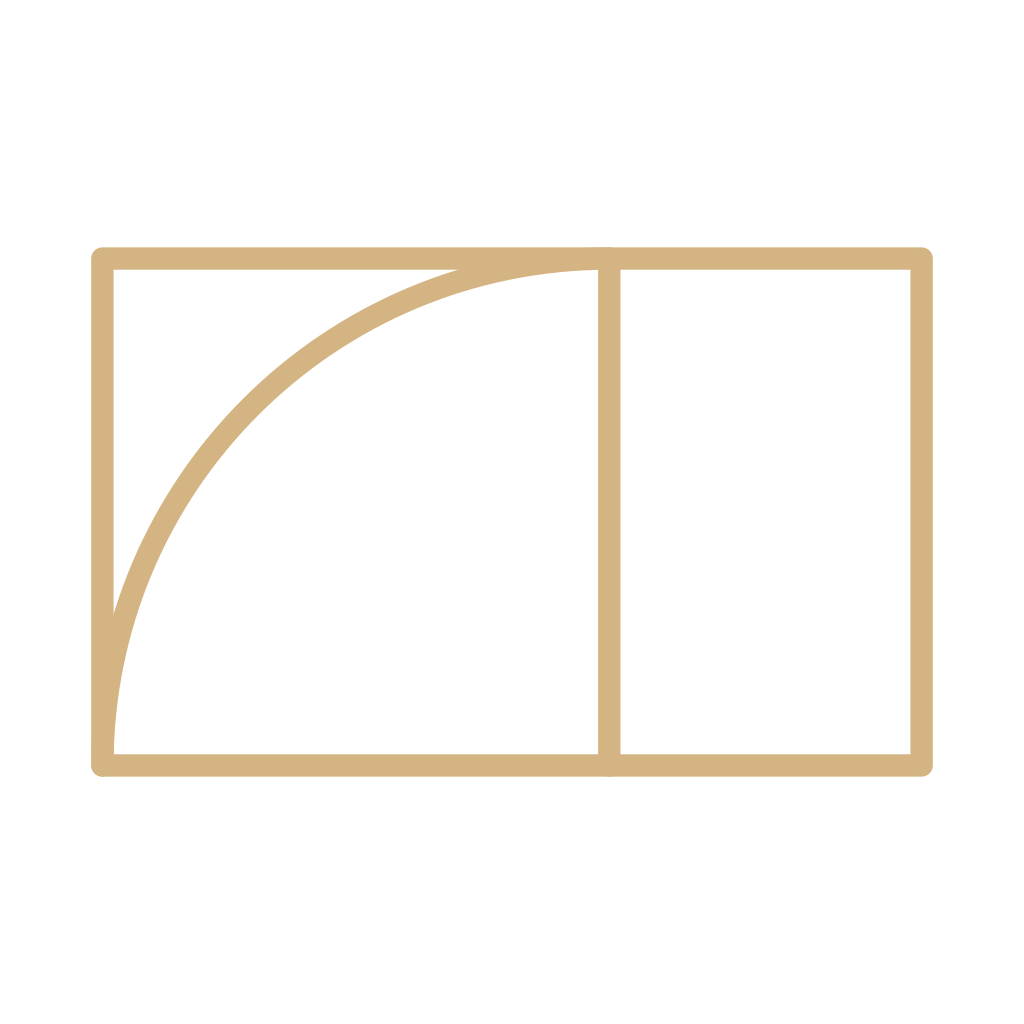 Golden ratioA cut where the whole stands to the larger part as that part stands to the smaller.
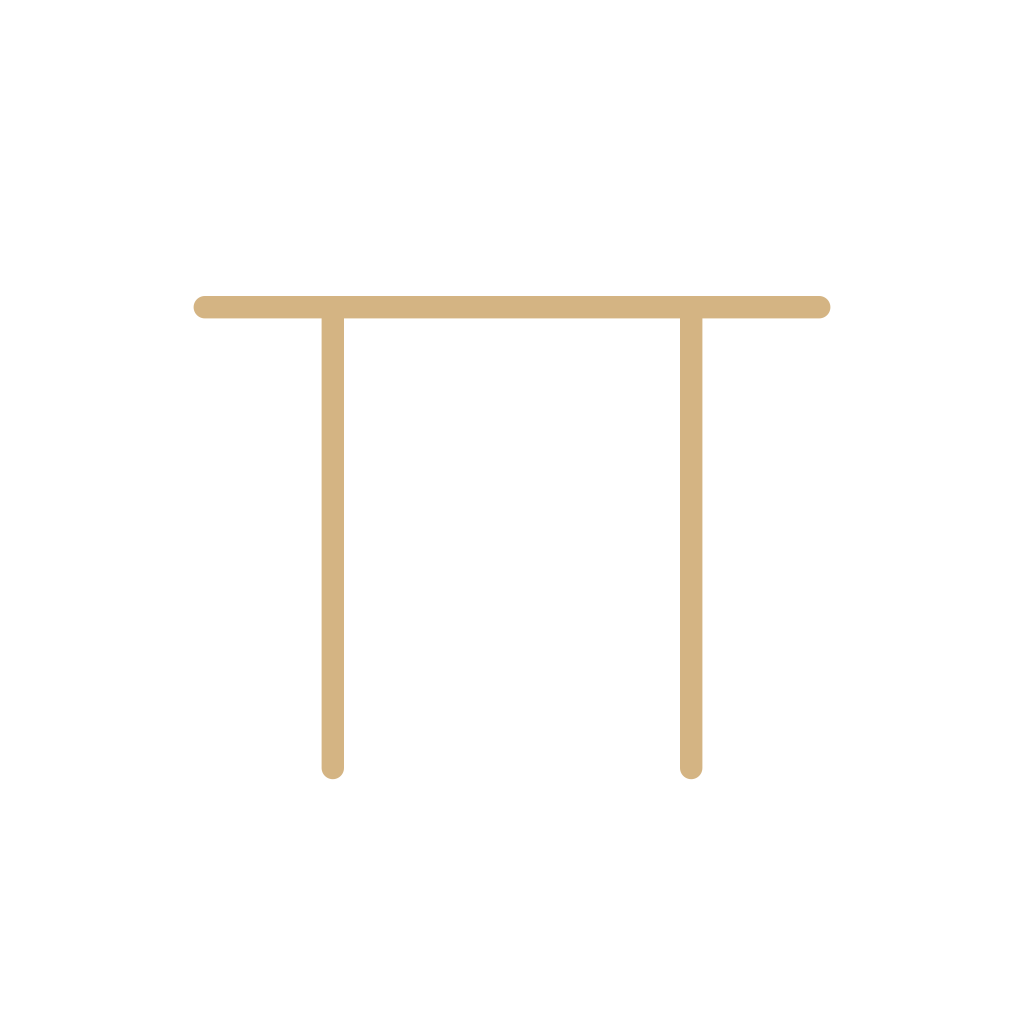 PiHow many diameters fit around a circle. The letter came later, from a printer’s book.
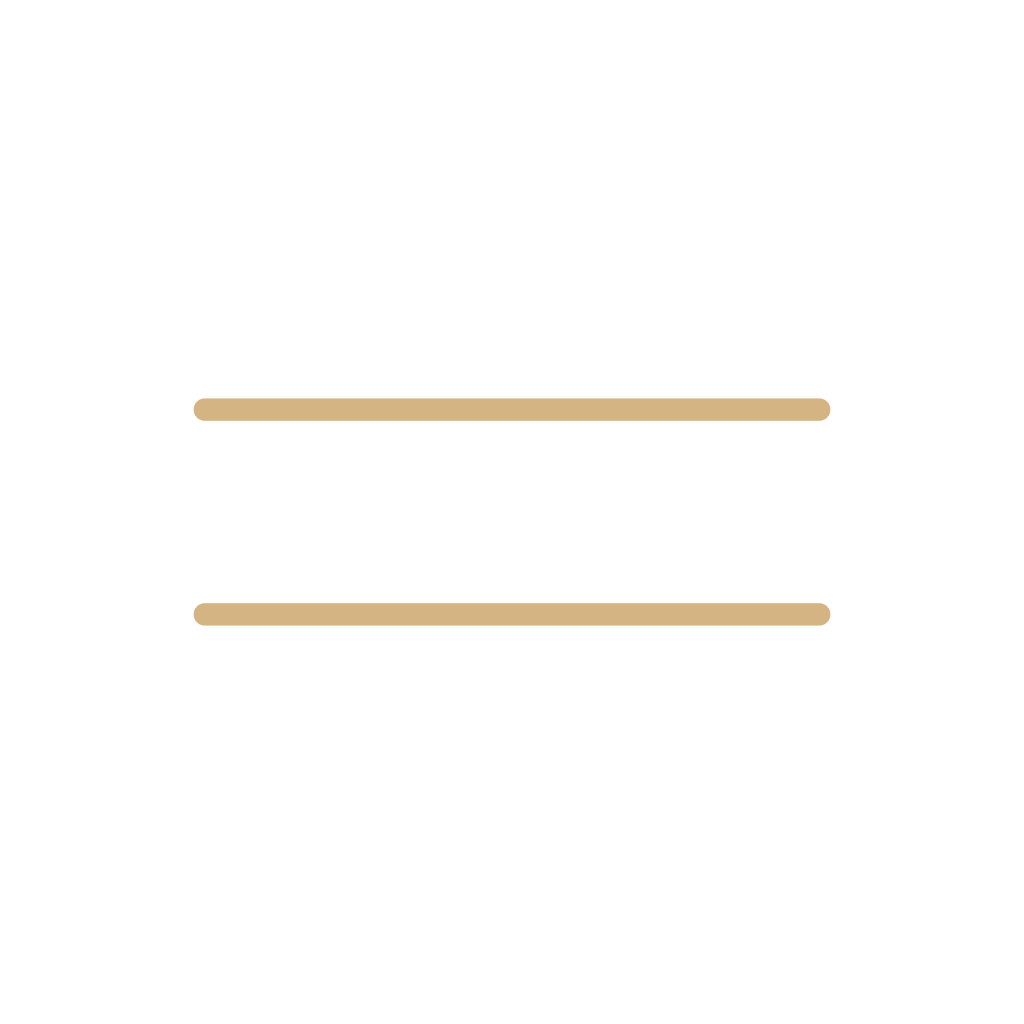 EqualsTwo parallels of one length, because nothing is more equal than that.
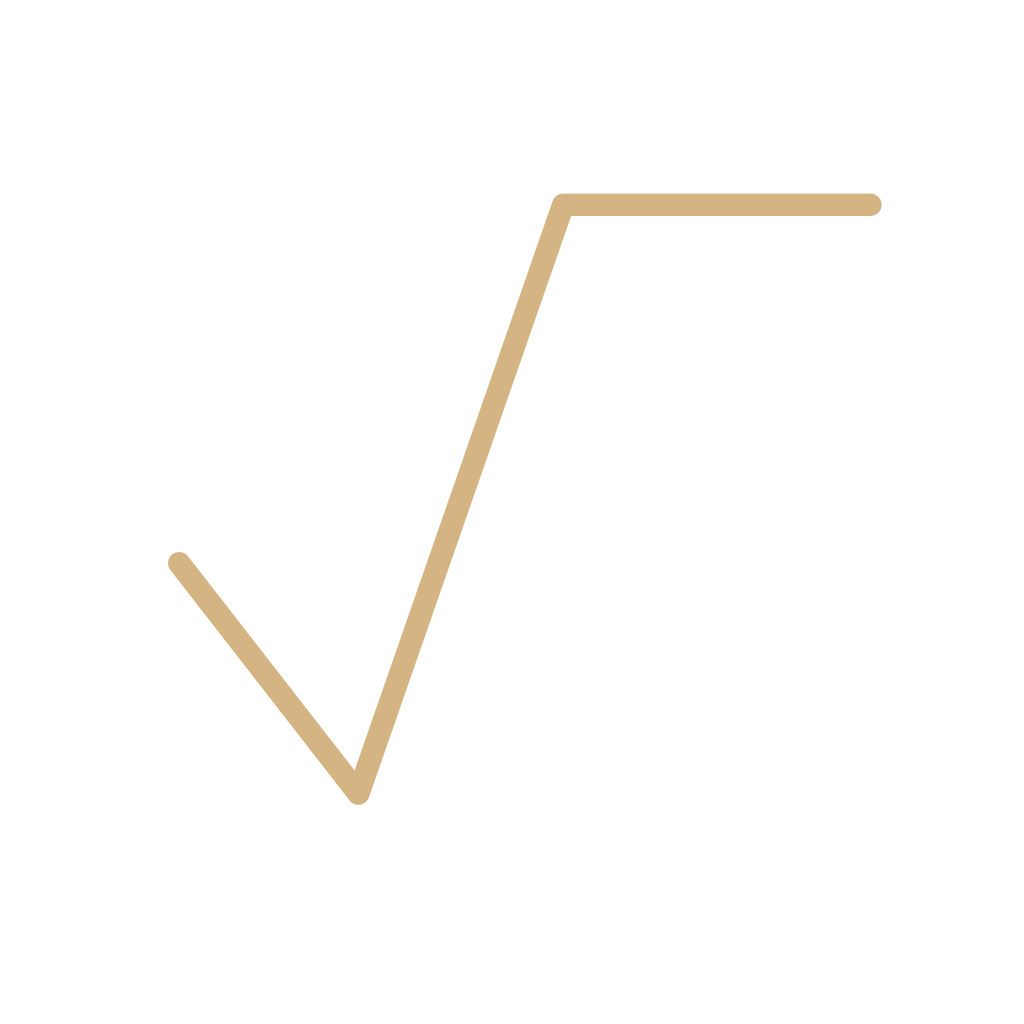 Radical signThe check that asks what number, times itself, makes this one.
 ThereforeThe hinge between a reason and the line that follows.
 AlephAn infinity with a size. Not the same as an infinity you pray to.
 Möbius stripA strip with a half-twist. One side. One edge. A dated invention.
 DeltaA triangle that is a letter. Change, in a mathematician’s hand.
 RecyclingThree arrows chasing on a one-sided loop.
 Hydrogen lineA spin-flip of the smallest atom, used as a ruler for strangers.
 BinaryTwo digits. Every later machine script is a reader of them.
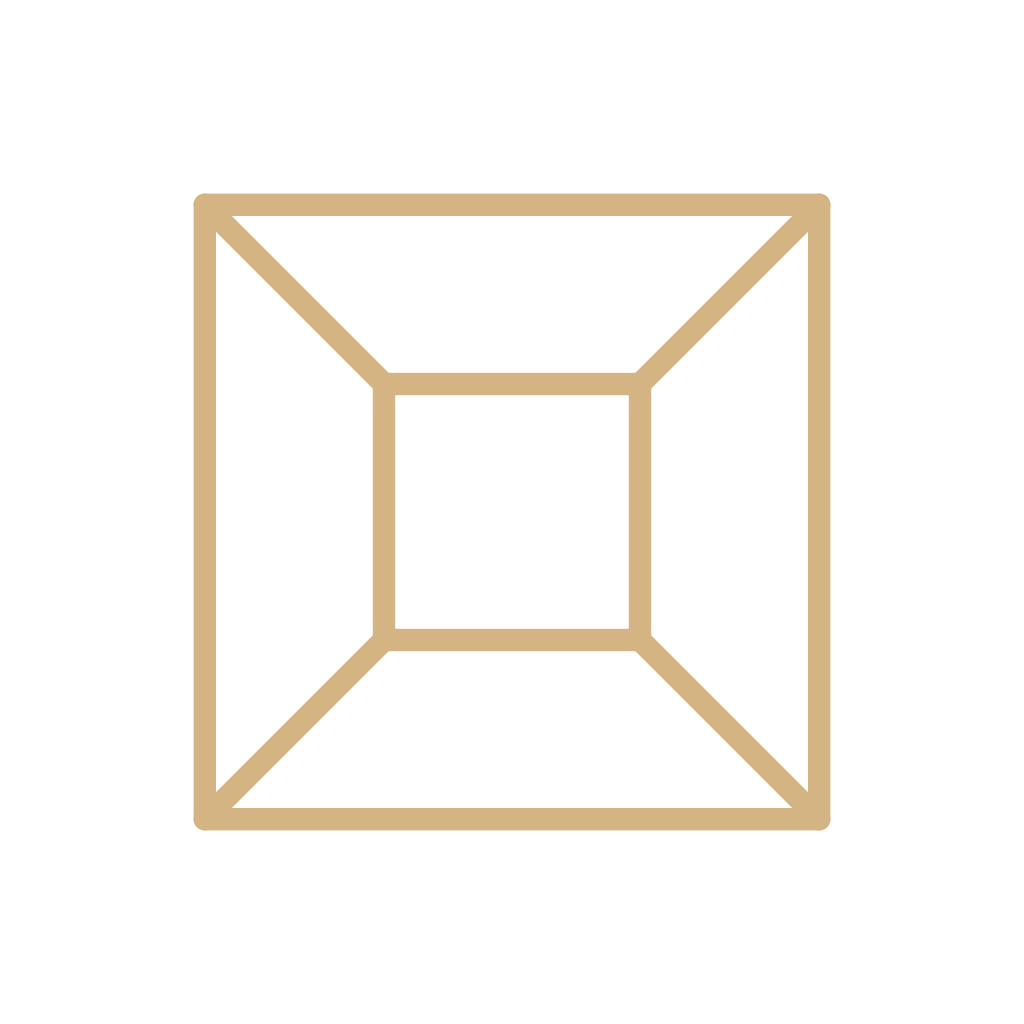 TesseractA cube extended one dimension further. The drawing is a shadow of that.
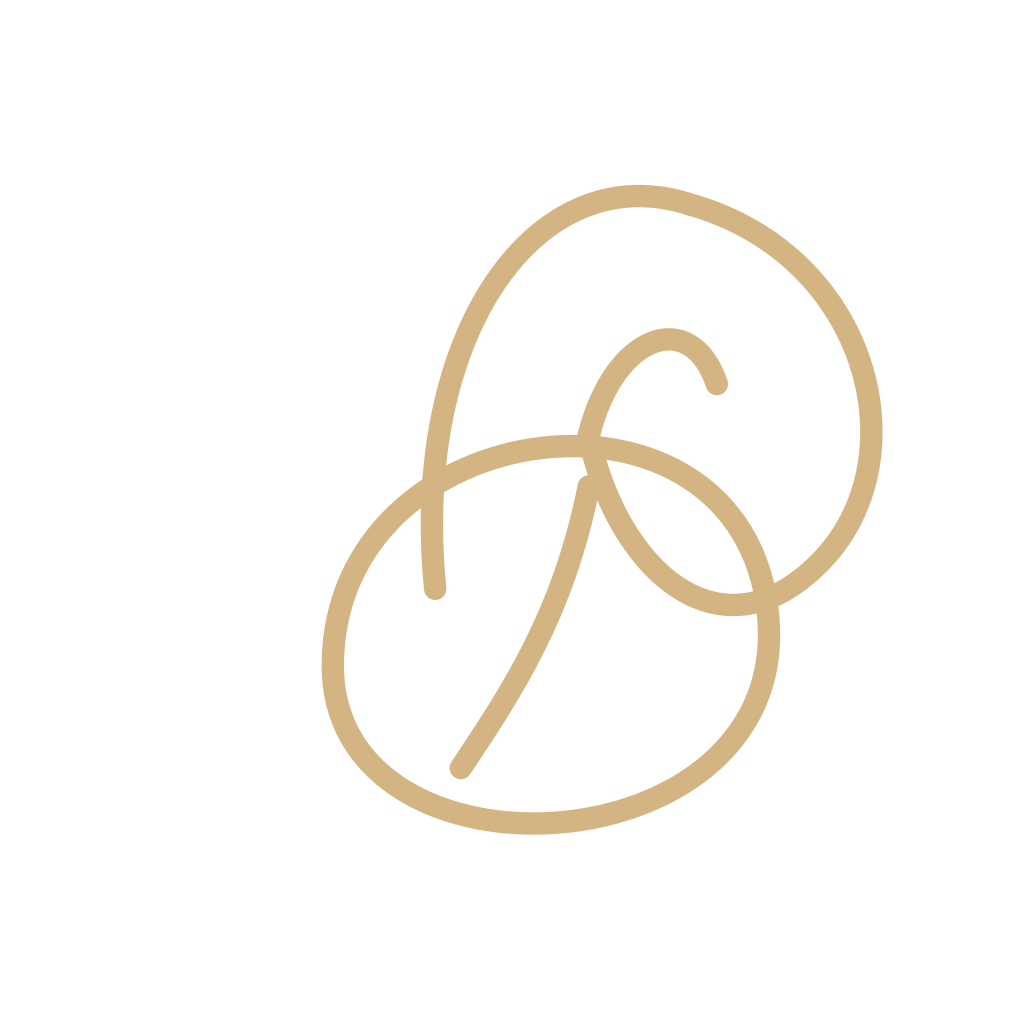 Klein bottleA closed surface with one side. In three dimensions the picture has to pass through itself.
 HexagonSix equal sides. Bees use it. A storm on Saturn shows it. Screens default to it.
 MonolithA rectangular solid. The proportion is the whole of the design.
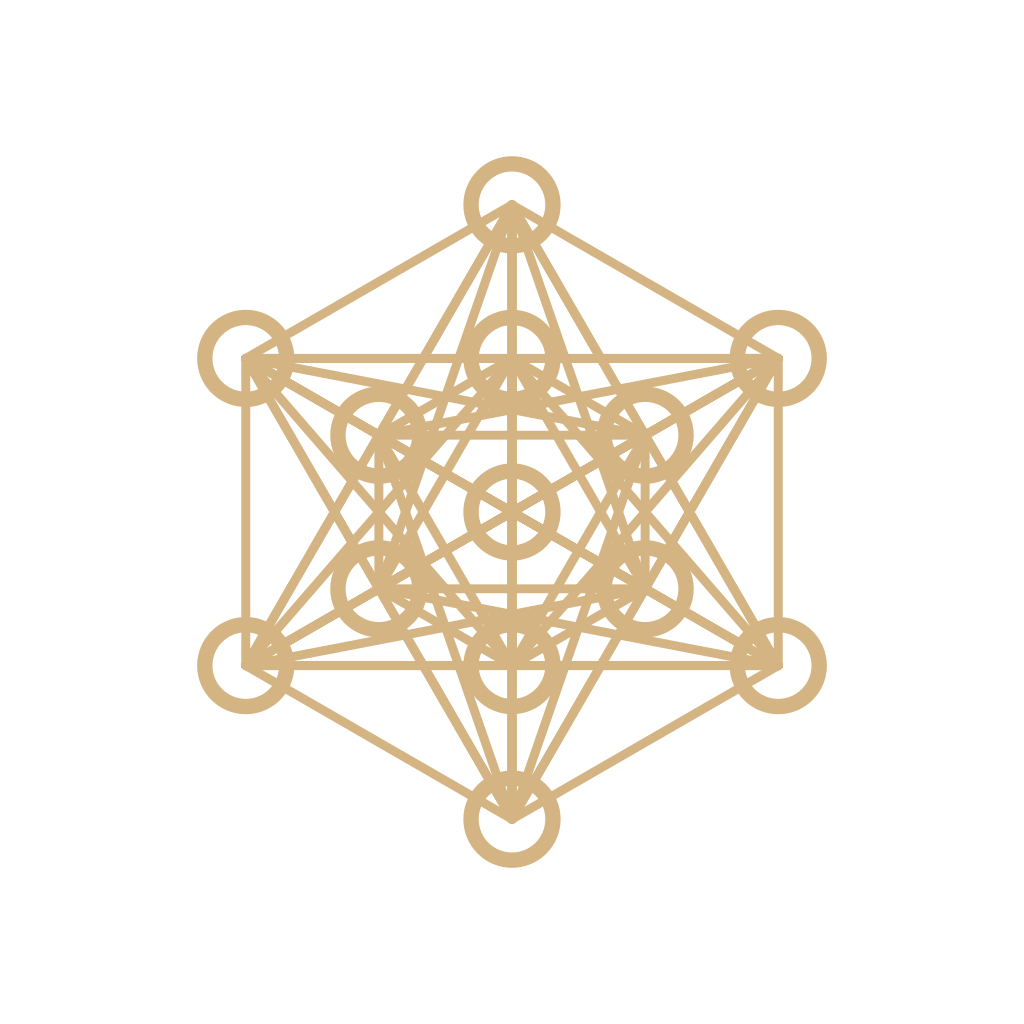 Metatron's cubeThirteen circles joined centre to centre. The name is late twentieth century.
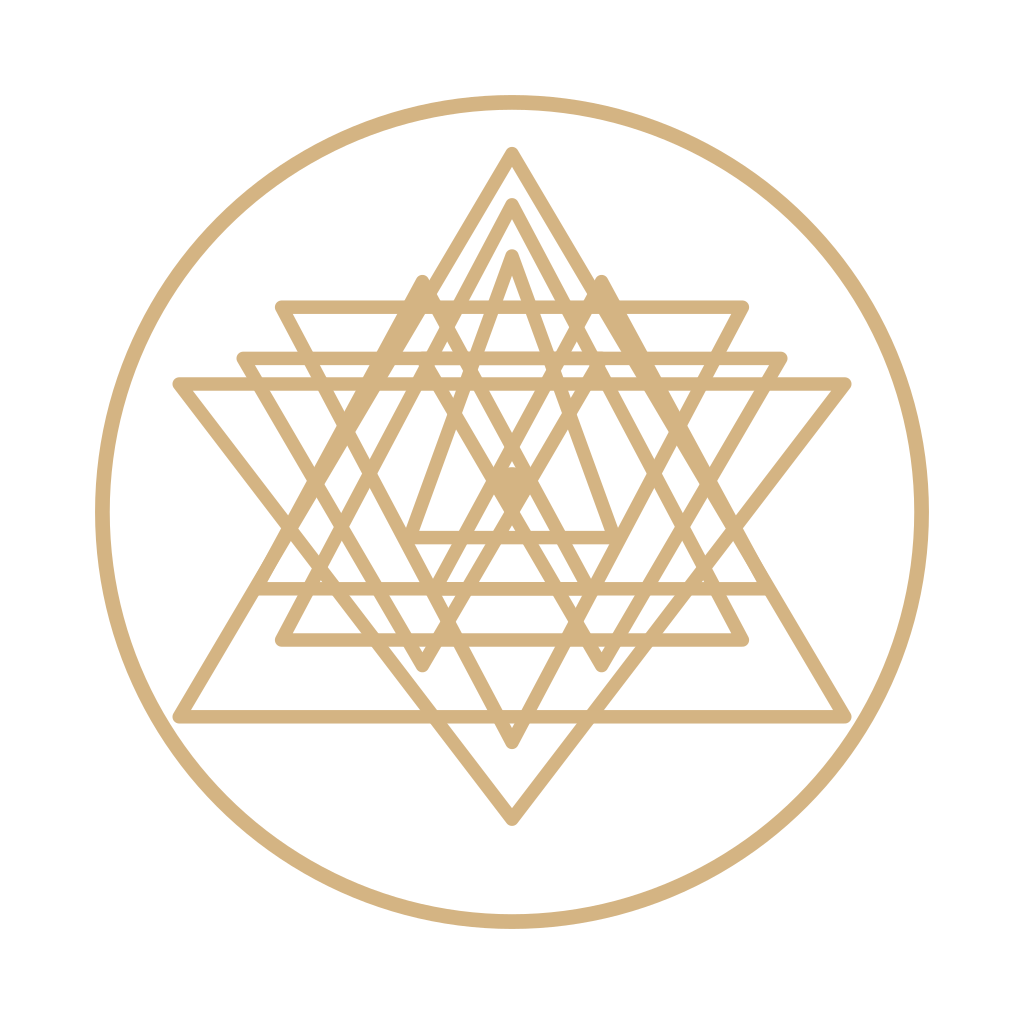 Sri YantraNine interlocking triangles. This drawing is a simplified four-up, five-down, and it says so.
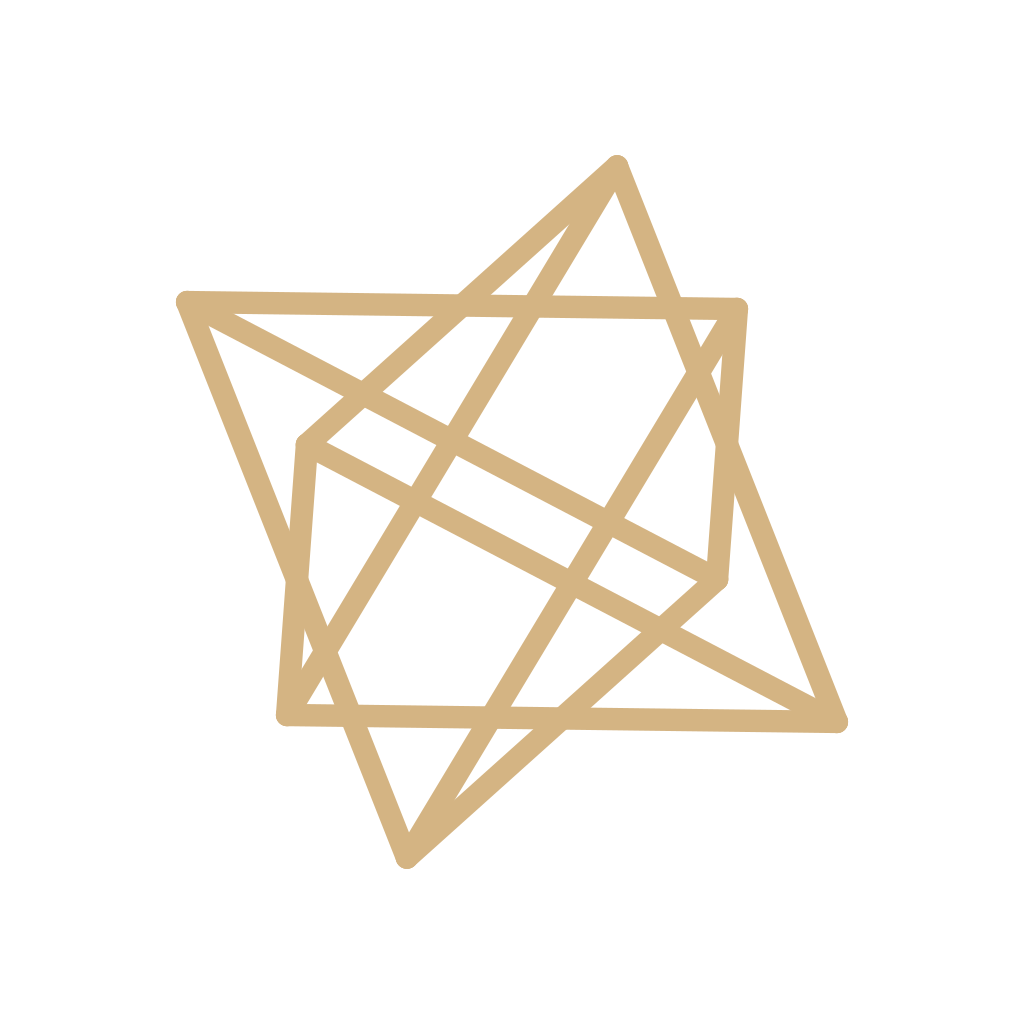 MerkabaA modern name for two interlocking tetrahedra. The biblical word is a chariot.
Questions
What are the main geometry symbols?
The main geometry marks here are the vesica piscis, the seed and flower of life, the golden ratio, the Möbius strip, and the Klein bottle, with the hexagon and the tesseract beside them. Some are constructions you can do with a compass. Some are nineteenth-century surfaces. The packaged claim that one lattice contains the universe is not a Euclidean theorem.
What is the oldest geometry symbol here?
The hexagon, as a regular polygon, and the vesica, as the overlap of two circles, are the oldest figures in the set. Euclid constructs the vesica’s triangle in the first proposition of the Elements. Overlapping-circle ornaments are older than Euclid and are not yet the “flower of life” package sold in the 1990s. The oldest drawing and the youngest name should not be swapped.