Norse
Norse symbols and meanings
Stones, pendants, and a tree the sources refuse to draw neatly.
Norse marks here are stones, pendants, and a tree the sources refuse to draw neatly. Mjölnir is a hammer-shaped pendant from the archaeological record, worn in the Viking age, including as a reply to the cross. Yggdrasil is a world tree told in the Eddas, not a single surviving diagram. The valknut is a knot of triangles on picture stones, assigned more confidence by modern sellers than the carvers left us. The Elder Futhark is an alphabet. A few of its letters were later used as slogans, including by the SS. That occupation is a caution, not a second origin, and it does not make the row a Nazi script. Vegvísir is not in this sentence as a Viking compass. It is a nineteenth-century manuscript stave. The pages that look like runes for sale are the ones that need the most resistance. A rune sold as a mood is a twentieth-century product. The inscription it imitates was usually a name. Five marks join the cabinet. The ægishjálmur has a medieval name and an early modern drawing. Gungnir is a spear. Huginn and Muninn are a pair of ravens. Fenrir is filed as the fetter, not as a wolf portrait. Sleipnir is the eight-legged horse on the Tjängvide stone.
The dangerous modern habit is to treat a letter as a spell and a manuscript doodle as a grave good. Elder Futhark pages say the inscriptions are mostly names. The caution about later political reuse sits beside that, and does not replace it. Vegvísir is kept out of the Viking sentence. A cabinet that cannot leave a mark out is not editing. It is collecting.
12 marks in the lexicon. A symbol can sit in more than one tradition. The page says which use is which.
Start here. Mjölnir. The hammer pendant is the Norse object you can hold. The tree and the knots are told, or argued.
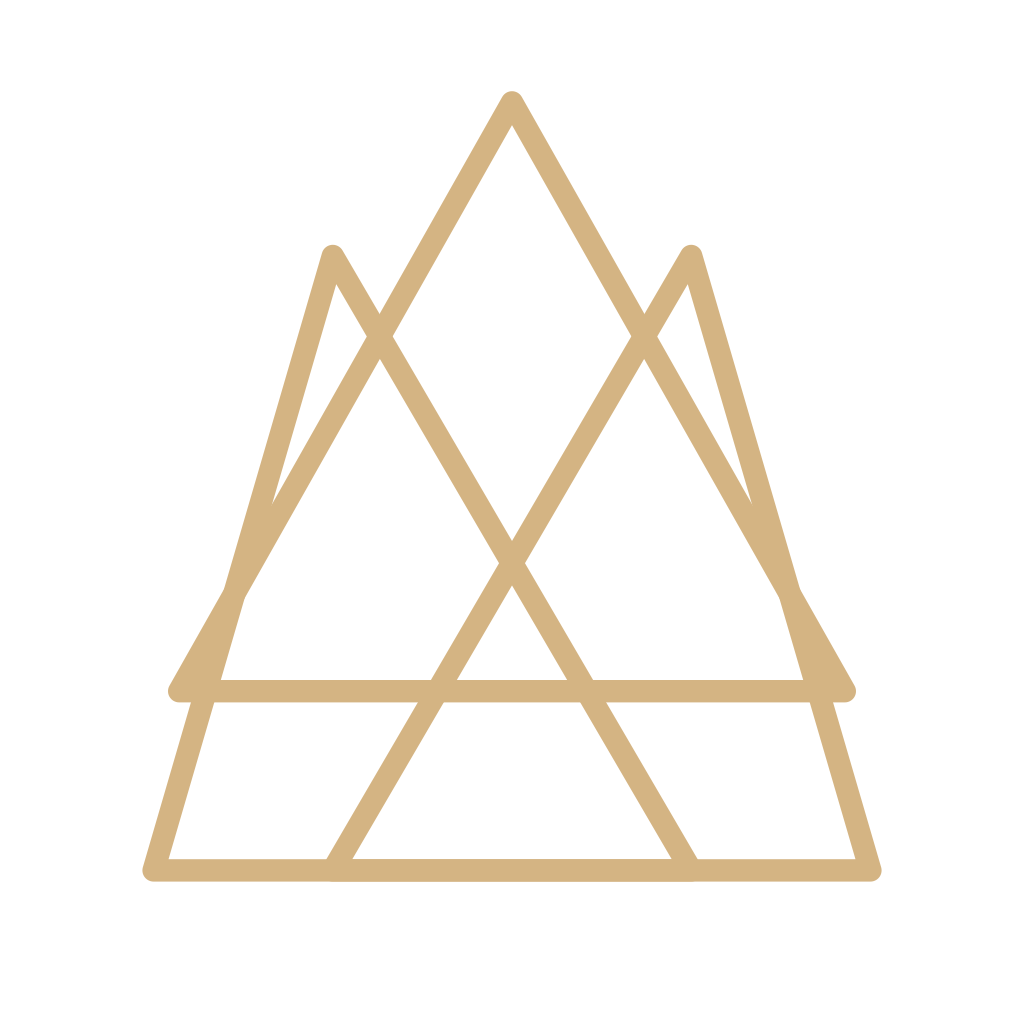 ValknutThree triangles locked, near what may be Odin, and we do not have the gloss.
 MjölnirA hammer that returns, and that hallows.
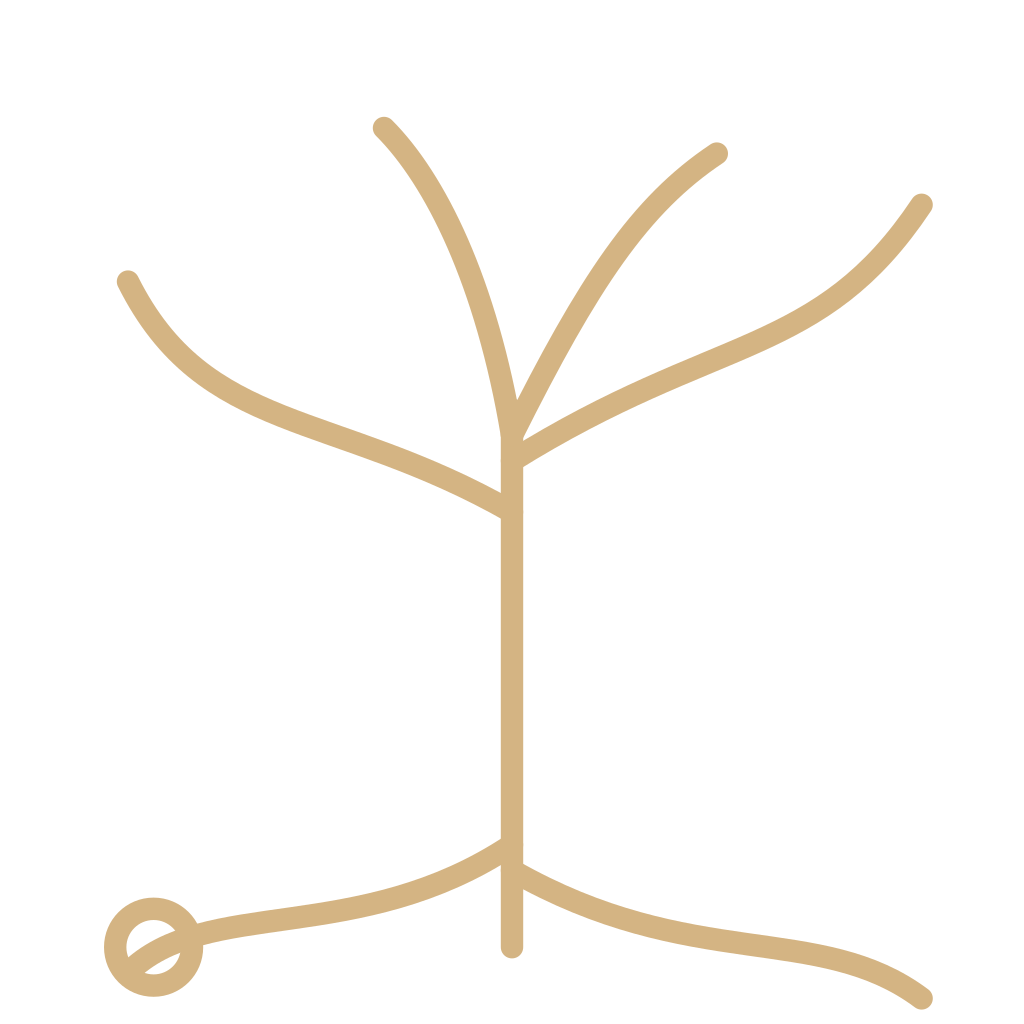 YggdrasilThe tree at the middle, which is also a gallows.
 JörmungandrThe serpent around the world of men. Not the alchemical tail-eater.
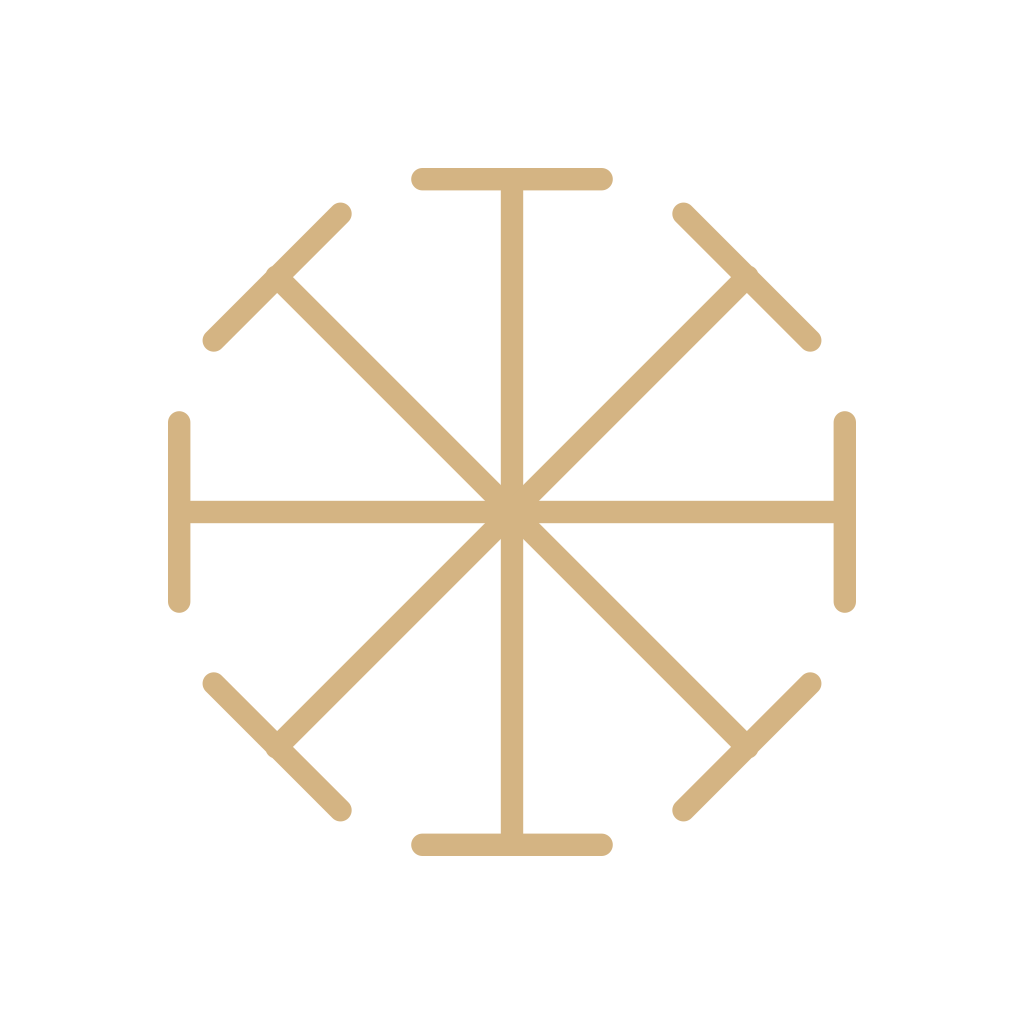 VegvísirA stave against getting lost. Not a Viking-age compass.
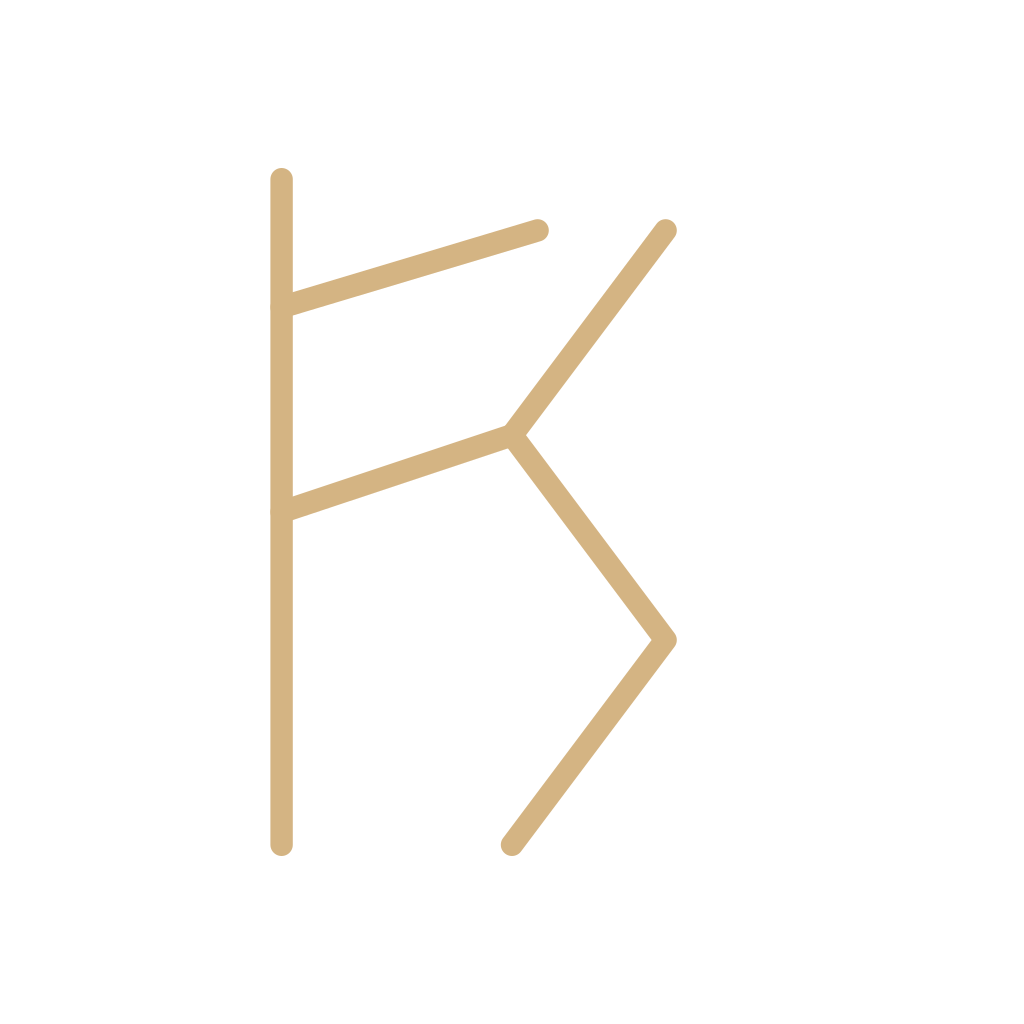 Elder FutharkAn alphabet for a language. Not a pack of personality runes.
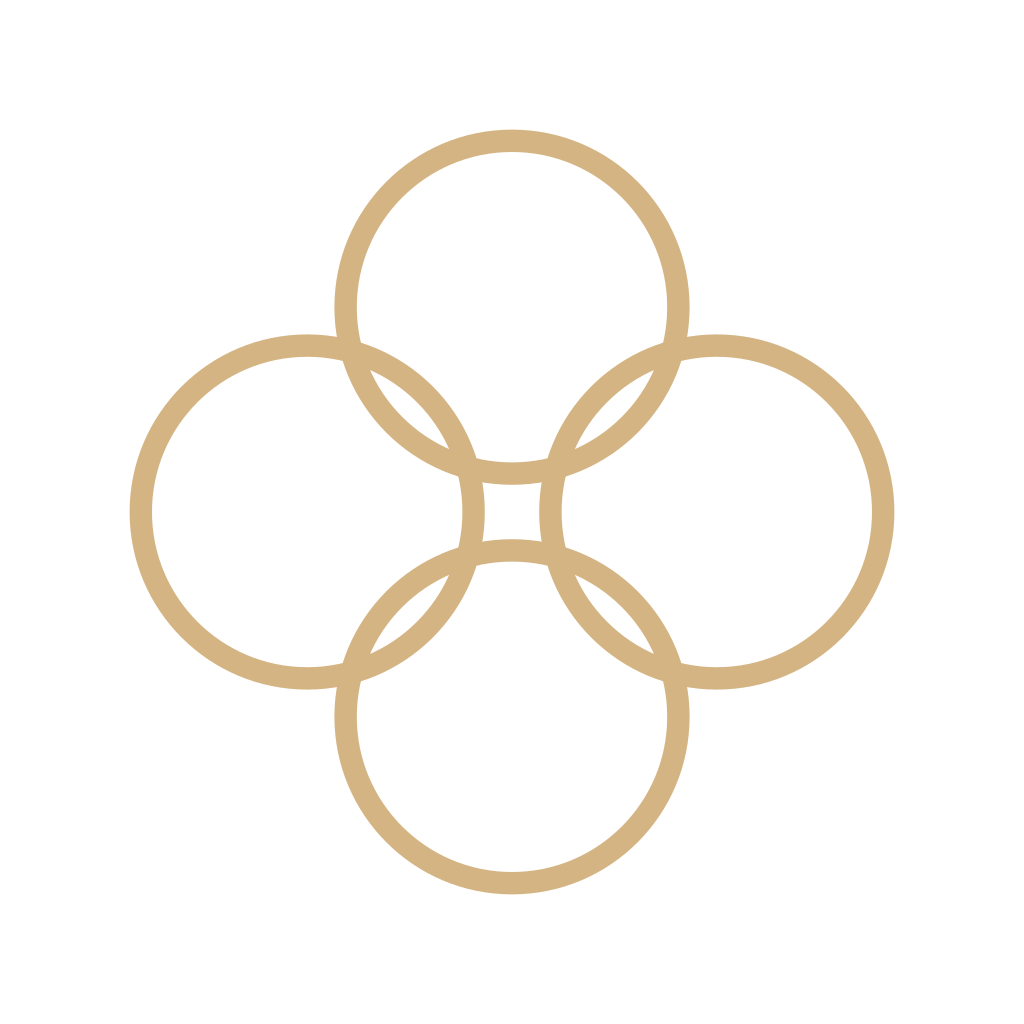 Looped squareA square with loops at the corners. A monument sign, then a key.
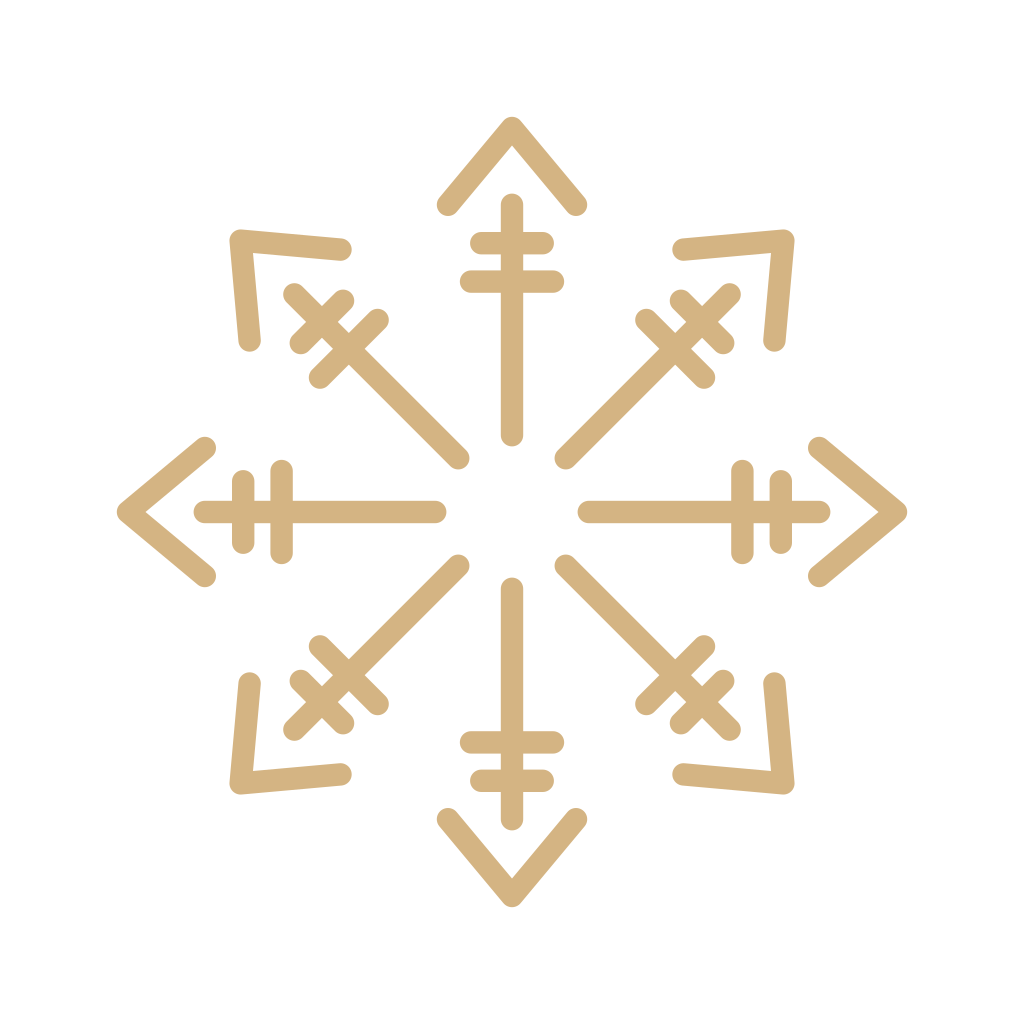 ÆgishjálmurAn Eddic name for a fear-helm, and an early modern Icelandic stave that is not Viking Age.
 GungnirOdin’s spear, with runes cut on the point, made by the sons of Ivaldi.
 Huginn and MuninnTwo ravens Odin fears he will lose. Thought and Memory are the usual glosses, not a proof.
 FenrirThe wolf is not pictured. The mark is Gleipnir, the fetter that held him.
 SleipnirAn eight-legged horse. The Tjängvide rider is usually read as Odin, and not only as Odin.
Questions
What are the main Norse symbols?
The main Norse marks here are Mjölnir, Yggdrasil, the valknut, and the Elder Futhark. The hammer is a pendant type from the Viking age. The tree is a literary cosmos. The valknut is a carving whose meaning is less settled than the shops say. The futhark is an alphabet. Vegvísir is Icelandic magic from around 1860, not a Viking find.
What is the oldest Norse symbol here?
Elder Futhark inscriptions run from about the second century. That alphabet is older than the Viking-age hammer pendants, which cluster later, and older than the Eddaic picture of the world tree as we have it in thirteenth-century manuscripts. The oldest thing in the set is a letter, not a personality rune. The caution about twentieth-century reuse sits on the alphabet’s page and does not rewrite the inscriptions.