At a glance
- Meaning
- Odin’s two ravens. He fears for Huginn, and more for Muninn.
- Origin
- Grímnismál 20, the only Eddic stanza that names them
- Also called
- Hugin and Munin
Huginn and Muninn meaning
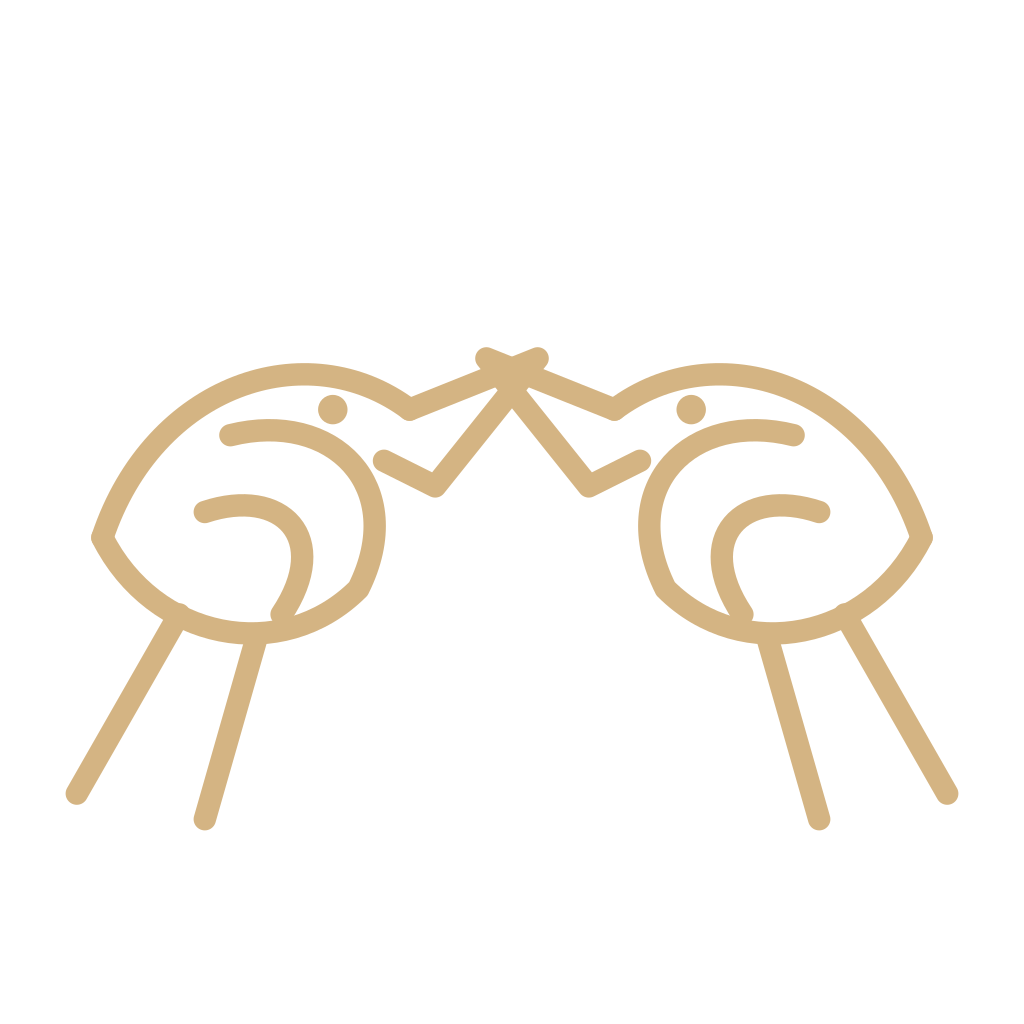
Grímnismál 20 is the only Eddic stanza that names Huginn and Muninn. Odin says he fears Huginn will not return, yet more he fears for Muninn. Thought and Memory are how the names are usually glossed. The gloss is not a fact the stanza states.
Two ravens Odin fears he will lose. Thought and Memory are the usual glosses, not a proof.
The name. Huginn is usually glossed as thought. Muninn is usually glossed as memory. The gloss is usual. It is not a settled fact.
Where it comes from
Grímnismál 20 is the stanza. Odin, speaking as Grimnir, says he fears for Huginn, that the raven will not come back, and fears more for Muninn. The line is worry, not a diagram of a mind. Two birds leave, and the god is not sure of their return. That is the poem. It is the only Eddic stanza that names the pair.
The usual gloss says Huginn is thought and Muninn is memory. Usually glossed as is the honest phrase. The words sit near those meanings in Old Norse. A glossary is not the stanza. The stanza does not define a mind. It says he is afraid. A page that leads with Thought and Memory as printed definitions has chosen the schoolroom reading. The Germanic mythology text of stanza 20 and the Open Book Publishers chapter are the wordings this page uses.
Ravens are ordinary birds in the north, and they are battlefield birds. Odin’s association with them is wider than stanza 20. The pair’s names are not. A raven on a brooch is not automatically Huginn.
The drawing is two ravens in profile, facing each other. It does not draw the god. The worry in the stanza is about the birds.
Norse
A fear, then a gloss
The fear in Grímnismál 20 is uneven. He fears for both, and more for Muninn. If the glosses are used, the poem frets more about memory than about thought. That reading depends on the gloss, and the gloss is usual rather than certain. Later fantasy puts one raven on each shoulder as a permanent badge. The stanza is about birds that leave. A badge does not leave. Snorri and the handbooks repeat the pair. Repetition is how a gloss hardens into a fact. This page leaves it soft. Two profiles are enough. A caption in capital letters saying Thought and Memory would be the gloss pretending to be the poem.
In popular culture
product · 20th century
Shoulder-raven logos
Two ravens become a fixed badge for anything marketed as Odin.
The badge is modern. The stanza is medieval, and it is about birds that might not come back.
SourceWorth knowing
- The greater fear in the stanza is for Muninn. The gloss Memory is usual, not certain. Source
Questions
What does Grímnismál 20 say?
Odin fears Huginn will not return, and fears still more for Muninn. It is the only Eddic stanza that names them.
Do the names mean Thought and Memory?
They are usually glossed that way. The stanza is a fear about two birds, not a definition. The gloss stays labelled as a gloss.
Are these a raven banner?
No. A banner bird is a standard. These two are named in a poem about a worry. A bird on a flag is not this pair unless the poem is in play.
Near this
Sources
Named when the entry depends on a text, a date, or a standard. Catalog numbers are not invented.
Your margin
Private. It stays in this browser and never joins the canon.
symbol.wiki, edited as Sigilla. Last reviewed 18 October 2026. A reading of public tradition, not a ruling.