At a glance
- Meaning
- The eight-legged horse. The Tjängvide rider is usually read as Odin, not only.
- Origin
- Tjängvide image stone, Gotland, about 700–900
- Also called
- eight-legged horse
Sleipnir meaning
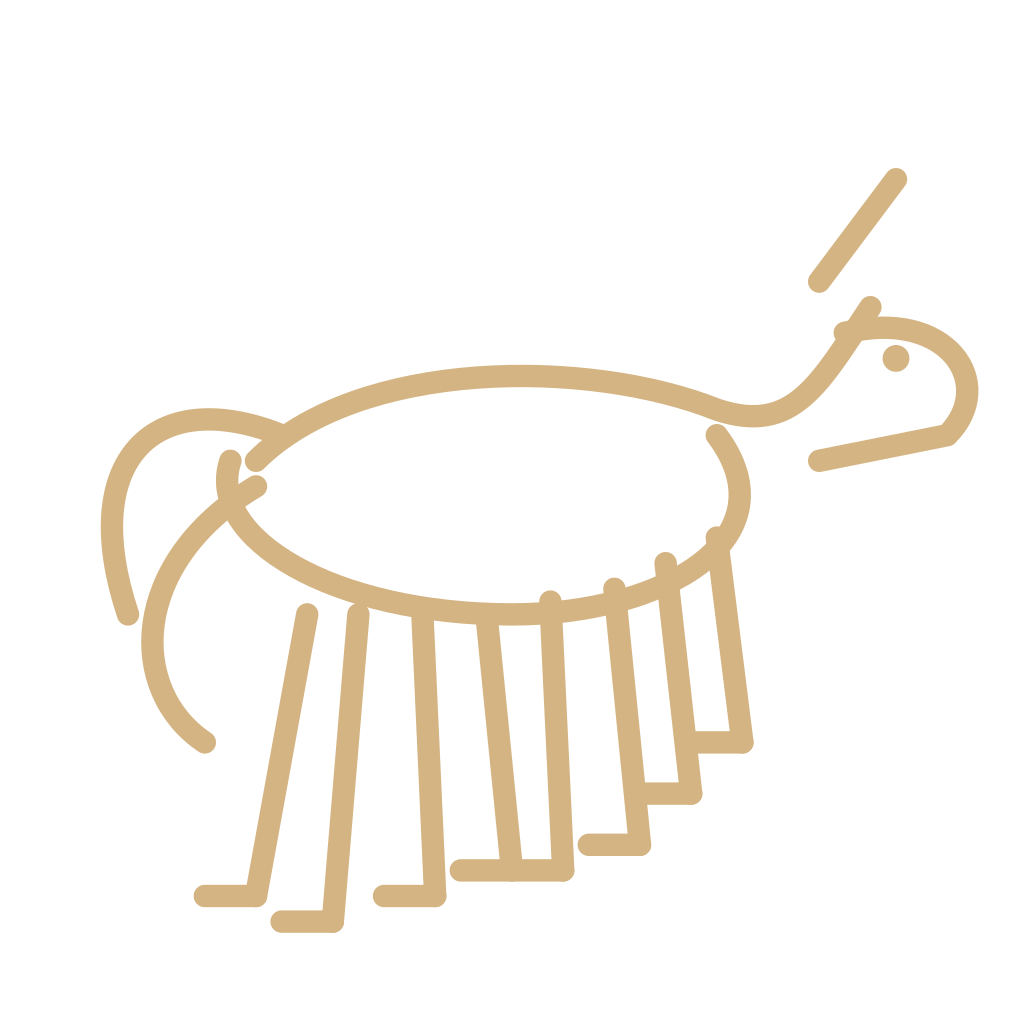
Sleipnir is the eight-legged horse. The Tjängvide image stone from Gotland, about 700 to 900, shows eight legs and a rider offered a horn. The usual reading is Odin. A Sigurd reading also exists. The page does not collapse them.
An eight-legged horse. The Tjängvide rider is usually read as Odin, and not only as Odin.
The name. Sleipnir is the horse’s name in the prose stories. The stone does not caption itself.
Where it comes from
In Snorri, Sleipnir is Loki’s child and Odin’s horse. That is one witness, and it is thirteenth-century prose. The picture is older. The Tjängvide image stone, Gotland runic inscription G 110, is limestone about 1.7 by 1.2 by 0.3 metres. It was found in 1844 and is in the Swedish History Museum in Stockholm. The usual date is about 700 to 900.
The upper field has a horse with eight feet and a rider. Someone offers a horn. The usual reading is Odin on Sleipnir, or a dead man arriving at Valhalla. Another reading says Sigurd and the horse Grani. The stone has no caption that settles it. Eight legs are the visible fact. The name is the interpretation. This page reports the usual reading and keeps the other one in the sentence.
A four-legged horse on a stone is only a horse. Eight legs are why this stone is the document. The prose birth-tale is not carved there. The drawing is the horse in profile with eight legs. It leaves out the horn-bearer so the page does not pretend the rider’s identity is drawn.
Norse
Eight legs, more than one name
The fit with Odin’s horse is good, and it is not an inscription. Readers who want every Gotland stone to be a hero cycle have a case they can make, and Sigurd’s horse is the other famous horse. Hiding that argument would be tidier and less honest. The stone’s date puts an eight-legged horse on Gotland before Snorri wrote. It does not prove the birth story. It proves the picture was worth cutting. The drawing stops at the animal. A spear-bearing rider labelled Odin would erase the caution the stone requires. The find in 1844 dates the discovery, not the carving, and Stockholm holds the stone.
In popular culture
product · 20th century
Eight-legged horse logos
The horse is drawn as a mascot and labelled Odin without the other reading.
The mascot is modern. The stone is about 700 to 900, and it does not caption itself.
SourceWorth knowing
- G 110 was found in 1844. The upper field is the eight-footed horse. Source
Questions
What is Sleipnir?
The eight-legged horse, Odin’s mount in the prose stories. The picture to cite is the Tjängvide stone.
Does the stone name Odin?
No. It shows eight legs and a rider offered a horn. Odin, a dead man at Valhalla, and Sigurd have all been argued. The legs are the fact.
How old is the stone?
About 700 to 900. Found in 1844. Limestone about 1.7 by 1.2 by 0.3 metres, now in Stockholm.
Near this
- GungnirOdin’s spear, with runes cut on the point, made by the sons of Ivaldi.
- Huginn and MuninnTwo ravens Odin fears he will lose. Thought and Memory are the usual glosses, not a proof.
- YggdrasilThe tree at the middle, which is also a gallows.
- FenrirThe wolf is not pictured. The mark is Gleipnir, the fetter that held him.

Sources
Named when the entry depends on a text, a date, or a standard. Catalog numbers are not invented.
Your margin
Private. It stays in this browser and never joins the canon.
symbol.wiki, edited as Sigilla. Last reviewed 18 October 2026. A reading of public tradition, not a ruling.