At a glance
- Meaning
- A forked staff of dominion, grouped with the ankh and the djed.
- Origin
- Egypt, from the early dynasties
- Often confused with
- Djed: The djed is the pillar. A was may be shown standing on it. Ankh: The ankh is the loop. EA54412 is an ankh amulet that pictures a was.
- Also called
- was staff
Was-sceptre meaning
The was-sceptre is a forked staff with a stylised animal head. It is read as dominion. Gods and kings hold it, and it is grouped with the ankh and the djed. It is not the djed it sometimes stands on.
A forked staff with an animal head, the sign of dominion.
The name. Egyptian was, a staff read as dominion.
Where it comes from
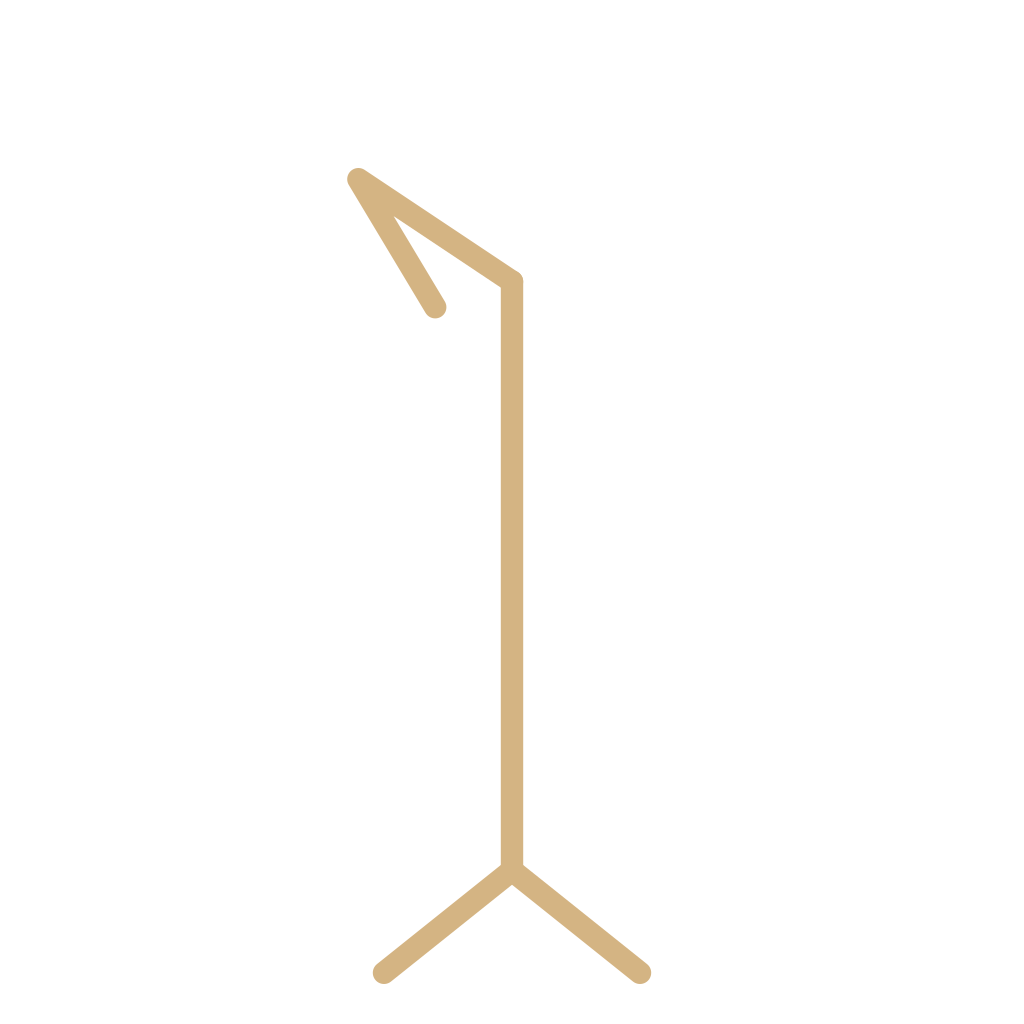
The was is a staff. The foot is forked, like a two-pronged end set on the ground. The head is an angled animal head, often read as canine. Gods and kings carry it. The word attached to it is dominion. Beside the ankh’s life and the djed’s stability, the was is the third of a set that Egyptian art repeats: what is given, what holds, what rules.
The set is the reason a single object can show all three. British Museum EA54412 is the object to cite, and it has to be cited carefully. It is not a freestanding sceptre. It is a glazed ankh amulet, 23.6 centimetres high, from the Temple of Taharqo at Jebel Barkal, Napatan, about 700 to 500 BC. Raised relief on one face shows a was-sceptre standing on a djed, with the god heh kneeling. The reverse lacks the was. The find is a temple find. It is not a funerary staff taken from a coffin, and it is not proof that every was was an ankh. It is proof that the three signs were carved in one relief on an ankh.
A staff in a king’s hand in a relief is the ordinary picture of the was. The fork and the head are what make it that staff and not a walking stick. A plain pole is not a was. A djed is not a was, even when the was is drawn standing on the djed as if the pillar were a base.
The drawing is the staff alone: straight shaft, forked foot, angled head. The ankh and the djed stay on their own pages.
Egyptian
Dominion, in a set of three
Dominion is the reading to lead with, because it is the word the staff carries in the standard accounts. The animal head is stylised enough that a species argument is weaker than the fork. Do not build a theology on whether the head is a canid or a fantastic animal. The fork is unmistakable. Heh, the god of eternity or of millions of years, kneels on the EA54412 relief beside the was and the djed. That is one Napatan composition. It does not mean every was is a picture of heh. Later souvenirs put ankh, djed, and was in a row and sell them as “power.” Power is a loose translation of dominion. The row is fair. The idea that the three were always one trademark is not. Count the fork if you are holding a staff. Count the bars if you are holding a pillar. Count the loop if you are holding life.
In popular culture
product · 20th century
Museum-shop triads
Ankh, djed, and was are sold as a single “power” set.
The set is old. The one-word slogan is a later reader. Dominion remains the was.
SourceWorth knowing
- EA54412 is 23.6 centimetres high. The was appears in relief on the ankh. It is not the object itself. Source
Questions
What does the was-sceptre mean?
Dominion. It is a forked staff with an animal head, held by gods and kings, and grouped with the ankh and the djed.
Is British Museum EA54412 a was-sceptre?
No. It is a glazed ankh amulet from the Temple of Taharqo at Jebel Barkal, about 700 to 500 BC. Relief on it shows a was on a djed, with heh kneeling. The reverse has no was.
How do you tell it from a djed?
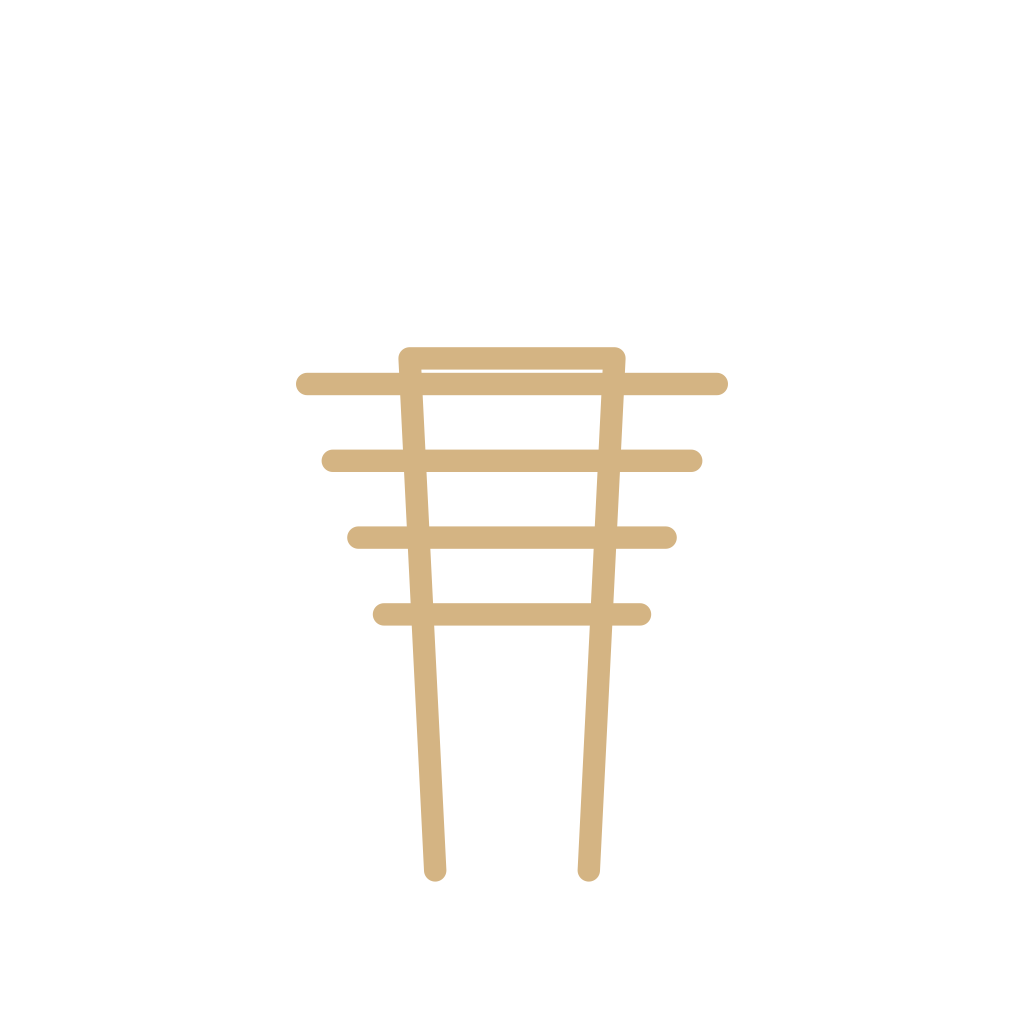
A djed is a pillar with four bars. A was is a staff with a fork at the foot and a head at the top. They are sometimes stacked, and they are still two signs.
Near this
Sources
Named when the entry depends on a text, a date, or a standard. Catalog numbers are not invented.
Your margin
Private. It stays in this browser and never joins the canon.
symbol.wiki, edited as Sigilla. Last reviewed 18 October 2026. A reading of public tradition, not a ruling.