At a glance
- Meaning
- Isis’s knot. Chapter 156 sets a red tyet at the neck as protection.
- Origin
- Egypt; Book of the Dead chapter 156
- Often confused with
- Ankh: The ankh’s arms are a level crossbar. The tyet’s arms hang.
- Also called
- Isis knot, tet
Tyet meaning
The tyet is the Isis knot. Book of the Dead chapter 156 prescribes a tyet of red jasper at the neck of the mummy, so that the power of Isis will be the protection of the body. The arms hang. An ankh’s arms do not.
A knot like an ankh whose arms hang down, tied to Isis and to a red stone at the neck.
The name. Egyptian tyet. Later readers also call it the knot of Isis.
Where it comes from
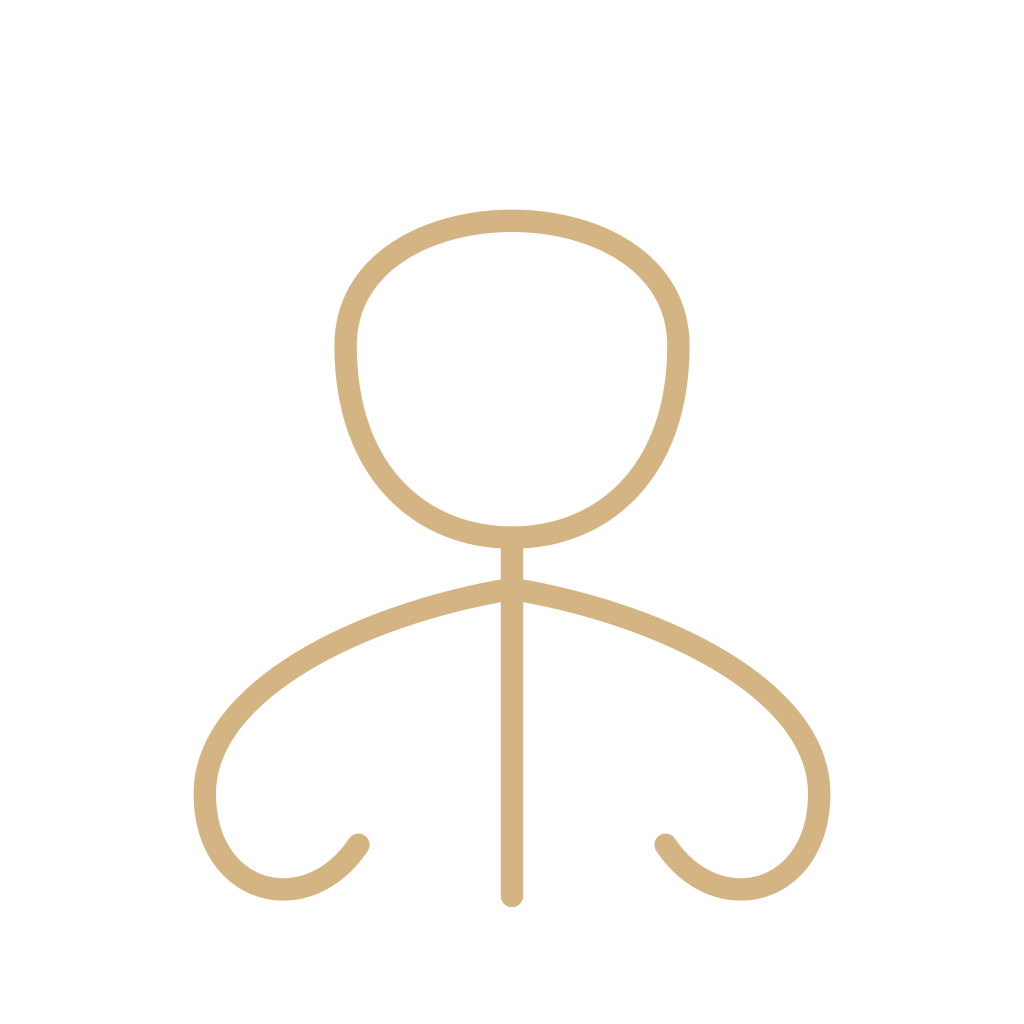
The tyet looks, at a glance, like an ankh that has lost its nerve. The loop is there. The upright is there. The arms do not stay out as a crossbar. They fall, like the ends of a tied cloth. That fall is the difference. An ankh offers life as a handled cross. A tyet is a knot, and the knot is Isis’s.
Book of the Dead chapter 156 tells the maker what to do. A tyet of red jasper is placed at the neck of the mummy. The chapter’s promise is that the power of Isis will be the protection of his body. The stone is named. The place on the body is named. The protection is Isis’s, not a general luck. The Metropolitan Museum holds tyet amulets of this kind. Red is the colour the chapter asks for. Other materials occur on other amulets. The chapter’s prescription is the one this page leads with.
The knot is filed on the protection line because the chapter is a protection. It is not a hand, and it is not an eye. People who know the ankh first will misread the hanging arms as a broken ankh. The arms are the knot. They are supposed to hang.
The drawing is that knot: loop, upright, arms that drop. It is not a photograph of a jasper amulet, and it is not the ankh with a different caption.
Egyptian
Isis at the neck
Chapter 156 is specific. Red jasper. The neck. The power of Isis as the protection of the body. An amulet that meets the prescription is doing what the book says. An amulet that only looks knotted is a relative, and the page should not pretend every knot in a case is chapter 156. Isis’s other signs, including the throne that writes her name, are not this knot. The tyet became common enough in the New Kingdom that a burial could carry it beside heart scarabs and djed pillars. The company does not merge the spells. 30B talks to the heart. 156 talks about the body under Isis’s power. A modern reader who wants one “goddess knot” for every loop in Egyptian art will tie the ankh in as well. The ankh is life, and its arms are level. This page keeps the drop.
In popular culture
product · 20th century
Goddess jewellery
The knot is sold beside the ankh as a general female sign.
The Isis reading is Egyptian. A generic goddess pendant is a later shop use, not chapter 156.
SourceWorth knowing
- Chapter 156 names red jasper and the neck. The promise is the power of Isis as protection of the body. Source
Questions
What does the tyet mean?
It is the knot of Isis. Chapter 156 of the Book of the Dead prescribes a red jasper tyet at the neck so that the power of Isis will protect the body.
How is a tyet different from an ankh?
Both have a loop. The ankh’s arms extend level. The tyet’s arms hang down, like a cloth knot. The jobs differ: life, and Isis’s protection.
Why is it on the protection line?
Because chapter 156 is a protection of the body. The line is a search for shields. The tyet is one Egyptian answer, not the hamsa and not the wedjat.
Near this
Sources
Named when the entry depends on a text, a date, or a standard. Catalog numbers are not invented.
Your margin
Private. It stays in this browser and never joins the canon.
symbol.wiki, edited as Sigilla. Last reviewed 18 October 2026. A reading of public tradition, not a ruling.