At a glance
- Meaning
- Three leaves. The Trinity story is Threlkeld’s, in 1726.
- Origin
- Irish badge; on coins in the 1680s; the sermon story is 1726
- Often confused with
- Triquetra: Three interlaced arcs, not a plant. Triskele: Three spirals or legs. Not three leaves.
- Also called
- seamróg
Shamrock meaning
The shamrock is a three-leaf plant used as an Irish badge. Coins of the 1680s show Patrick with a shamrock. The story that he explained the Trinity with it was first written by Caleb Threlkeld in 1726. It is not the triquetra, and it is not the triskele.
Unicode
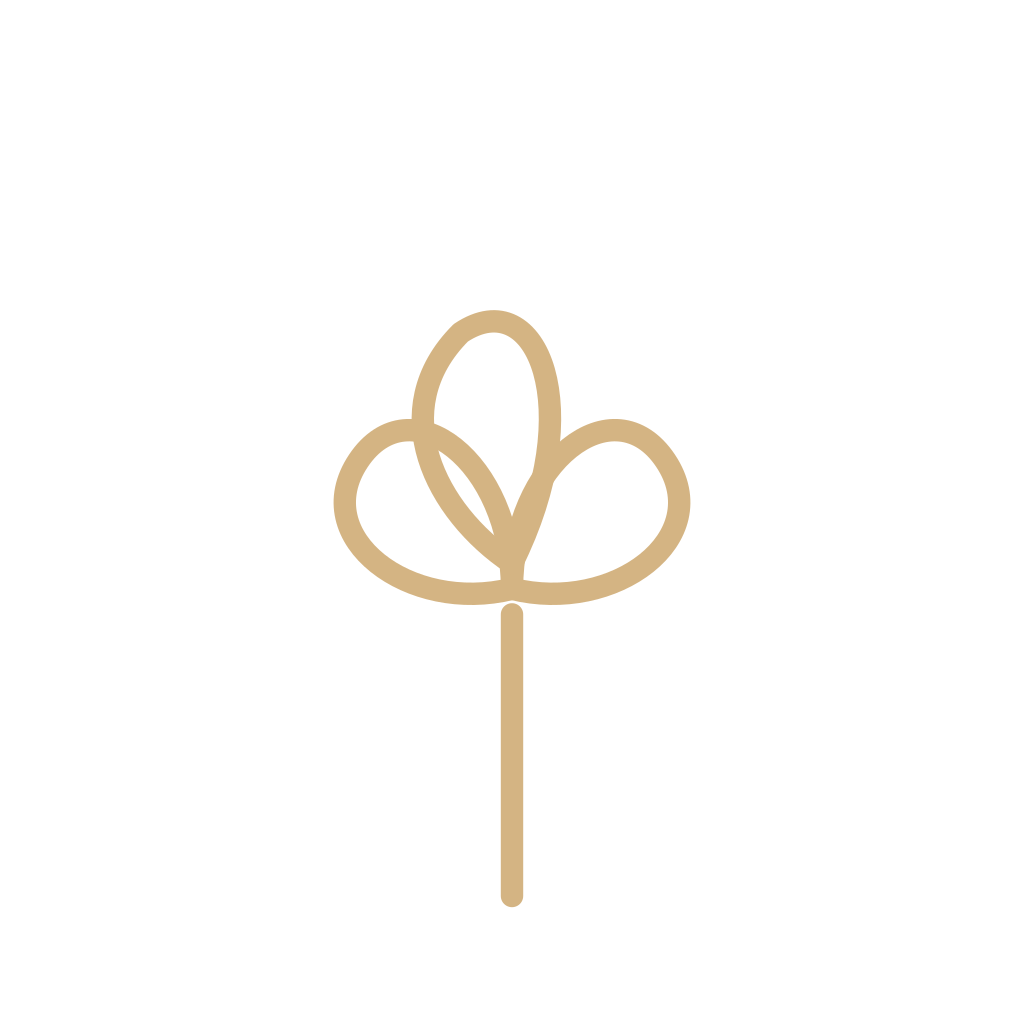
U+2618 is SHAMROCK. It is a character for the plant-sign, not a botanical specimen, and it is not the triquetra. The copy box holds the character. The drawing is the plant.
Three leaves. The Trinity story was written by Caleb Threlkeld in 1726.
The name. Irish seamróg, a little clover. Shamrock is the English form.
Where it comes from
A shamrock is a clover with three leaflets, worn and drawn as an Irish mark. The plant is older than the story told about it. The story people know is that Patrick picked a shamrock to show the Trinity, three and one. Caleb Threlkeld, in 1726, is the first writer of that anecdote in the record this page uses. A story first written in 1726 cannot be the fifth-century sermon, whatever Patrick did or did not do. The coins are earlier than Threlkeld and later than Patrick: in the 1680s, Irish coins show Patrick holding a shamrock. The badge is seventeenth century on the metal. The Trinity anecdote is eighteenth century on the page.
Three is the trap. A triskele is three spirals or three legs, in stone at Newgrange and on Sicilian coins. A triquetra is three interlaced arcs in metal and in gospel books. A shamrock is a stem and three leaves. Sharing a number is not sharing a making. The Irish Times has treated the plant’s identity as a small scientific mess, which is a useful warning: even the species is argued. The symbol does not wait for the species to be settled.
The character U+2618 is a typeset shamrock. It is not a leaf. The drawing is three heart-shaped leaves on a stem.
Triskele, triquetra, or shamrock?
- What each is
- A triskele is three legs or spirals, as at Newgrange and in Sicily. A triquetra is three interlaced arcs, in metalwork and gospel books. A shamrock is three leaves, Irish, with a Trinity story first written in 1726.
- How to tell them apart
- Spirals throw the eye out. Interlaced arcs lock. Leaves are a plant. Three is the only thing they share, and three is not an origin.
- Where the confusion comes from
- A later habit calls every threefold knot Celtic and every clover a gospel. Newgrange is Neolithic. The Trinity sermon for the shamrock is Caleb Threlkeld, 1726. The dates do not collapse.
Celtic
A plant with a dated sermon
Celtic cabinets collect knots and then, if they are careless, collect every Irish thing. The shamrock is Irish. It is not a knot. Threlkeld’s 1726 paragraph is the document for the Trinity use. Before that paragraph, the coins already use the plant as Patrick’s attribute. An attribute on a coin is a badge. A badge is not yet a theology lesson. Later Saint Patrick’s Day cards run the lesson as if it were contemporary with the saint. The cards are the later reader. Newgrange is not a clover. A gospel-book knot is not a clover. If the only reason to put them on one page is the number three, the page should say that three is not an origin. This page says it. The stem is the difference you can see.
In popular culture
product · 19th century
Saint Patrick’s Day cards
The plant and the Trinity lesson are printed as if they were one ancient moment.
The card collapses a coin of the 1680s and a paragraph of 1726 into the saint’s own century. The dates do not agree.
SourceWorth knowing
- Threlkeld’s Synopsis stirpium Hibernicarum of 1726 is the first writing of the Trinity anecdote used here. Source
Questions
What does the shamrock mean?
It is an Irish badge of three leaves. The Trinity explanation was first written by Caleb Threlkeld in 1726. Coins of the 1680s already show Patrick holding the plant.
Is it a Celtic knot?
No. The triquetra is interlaced arcs. The triskele is spirals or legs. The shamrock is a plant. Three is the only overlap.
Is U+2618 the plant?
It is the character. The plant is botany, and which species counts as a shamrock is itself argued. The character is a sign.
Near this
Sources
Named when the entry depends on a text, a date, or a standard. Catalog numbers are not invented.
Your margin
Private. It stays in this browser and never joins the canon.
symbol.wiki, edited as Sigilla. Last reviewed 18 October 2026. A reading of public tradition, not a ruling.