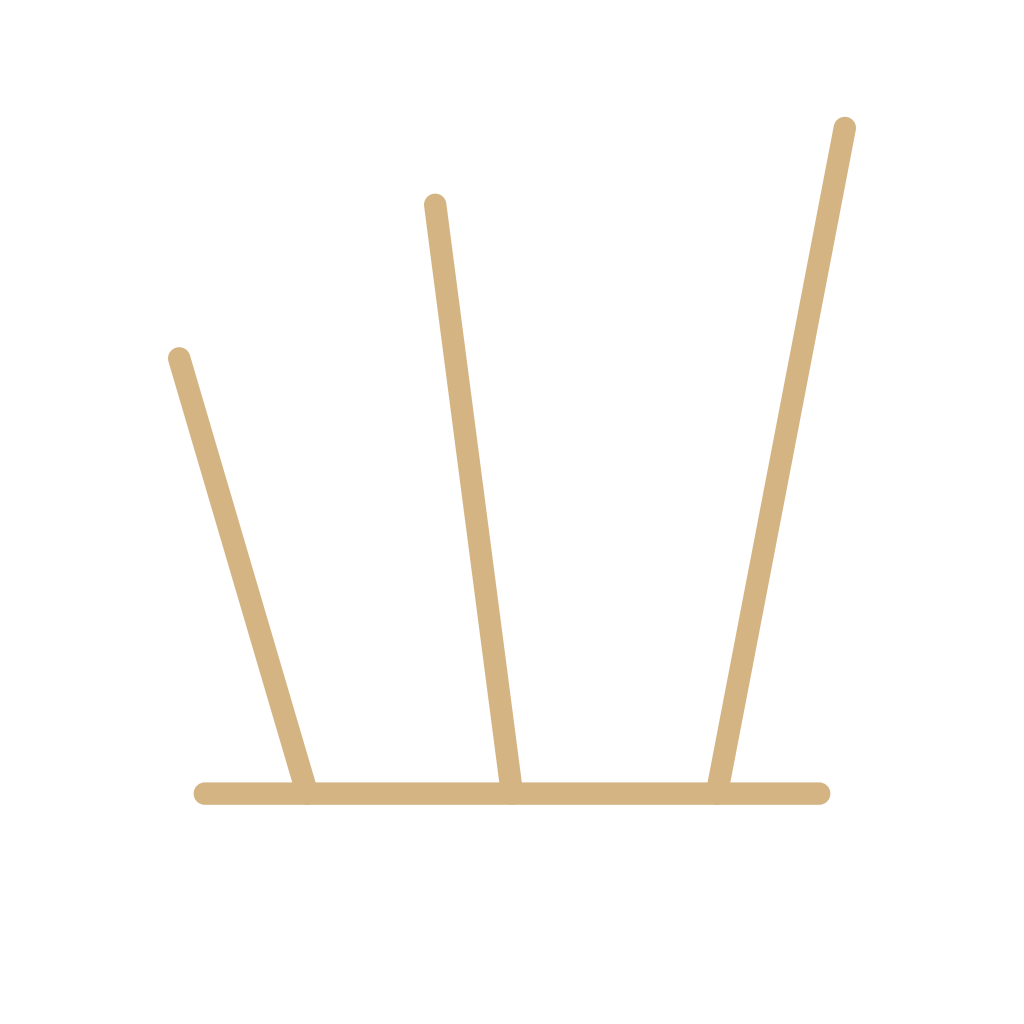
Shin
Also called ש, the priestly hand
A letter of the Hebrew alphabet; the hand-shape is a ritual posture
Jewish symbolsShin meaning
Shin, ש, is a letter of the Hebrew alphabet. In the priestly blessing the hands are held so the gaps form that letter. Leonard Nimoy used the posture as the Vulcan salute and explained it in I Am Not Spock (1975). The salute is a reader of the letter, not the letter.
A letter. The priestly blessing makes a hand read as that letter.
The name. Shin is the twenty-first letter of the Hebrew alphabet. The name is the letter’s name. It stands for an sh sound. The hand position of the priestly blessing, Birkat Kohanim, is arranged so the spaces read as shin. The letter is not the hand. The hand is a way of showing it.
Where it comes from
Shin is a character. Like any character it has a name, a sound, and a place in the alphabet. It also has a life in Jewish practice that is more than spelling. The Birkat Kohanim, the priestly blessing, is pronounced with the hands raised. The customary position splits the fingers so that there are spaces: a picture of the letter shin, associated with the divine name Shaddai. The practice is older than television by any measure that matters. It is a synagogue posture, and it is not performed as a greeting. Leonard Nimoy, an actor who had seen the blessing from the congregation, needed a greeting for a fictional people in 1967 and used the posture he already had in his body. He explained the borrowing in his 1975 book I Am Not Spock. The explanation is the source. A fan encyclopedia is not required. The salute spread with the series. The character U+1F596 is the salute, not the letter. This page’s character is U+05E9, ש. The lexicon draws a schematic of the letter. It does not draw the paramilitary or political uses of other Hebrew letters, because those are not this letter’s story. The story is a character, a blessing, and a later greeting that said where it came from.
Jewish
A letter in a blessing
The blessing is a text, the words Aaron and his sons were told to use. The hand is a custom of how the text is stood inside. Custom is not trivial, and it is not the text. A reader who learns the hand from a screen and never meets the words has learned the silhouette of a rite. The silhouette is recognizable. Recognition is not performance. Synagogue practice has conditions around who blesses and when. Those conditions are not the subject of a symbol page, except to say they exist and the television greeting does not carry them.
In fiction
tv · 1967
A greeting taken from a blessing
Star Trek (TV, 1967)
The Vulcan salute appears with the episode Amok Time in 1967. Nimoy wanted a gesture that was not a handshake. He used the priestly hand position he remembered, and he later wrote the memory down. The fiction gives the gesture a people, a logic, and a phrase. The phrase is the show’s. The hand is the synagogue’s. Keeping both sentences is the whole task. Fans who teach the salute as an alien original are repeating the fiction and dropping the book. The book is 1975. The letter is older than both. Unicode’s raised hand is the salute’s character. Hebrew shin is the letter’s character. They sit next to each other in a font and do not mean the same thing.
Vulcan saluteWorth knowing
Questions
What does the Shin mean?
Shin, ש, is a letter of the Hebrew alphabet. In the priestly blessing the hands are held so the gaps form that letter. Leonard Nimoy used the posture as the Vulcan salute and explained it in I Am Not Spock (1975). The salute is a reader of the letter, not the letter.
How do I type the Shin?
The character is ש (U+05E9).
Why does Star Trek use Shin?
The Vulcan salute appears with the episode Amok Time in 1967. Nimoy wanted a gesture that was not a handshake.
Near this
Sources
Named when the entry depends on a text, a date, or a standard. Catalog numbers are not invented.
Your margin
Private. It stays in this browser and never joins the canon.
symbol.wiki, edited as Sigilla. Last reviewed 20 October 2026. A reading of public tradition, not a ruling.