At a glance
- Meaning
- The heron of Heliopolis, on the benben. The phoenix is a Greek reading.
- Origin
- Egypt; wagtail in the Pyramid Texts, heron from the Middle Kingdom
- Often confused with
- Phoenix: Herodotus’s bird. The five-hundred-year cycle is his, in the 5th century BC.
- Also called
- benu
Bennu meaning
The bennu is the heron of Heliopolis, perched on the benben. In the Pyramid Texts the bird is a wagtail. From the Middle Kingdom it is a heron. Herodotus, in the 5th century BC, is the later reader who made it a phoenix.
The heron of Heliopolis that perched on the benben stone.
The name. Egyptian bennu. The Greek phoenix is a later reader’s bird, not this name.
Where it comes from
The bennu belongs to Heliopolis, the city of the sun. It perches on the benben, the primeval stone that is the first ground in that theology. Spell 83 of the Book of the Dead is “for taking the form of a bennu.” The transformation is the spell’s promise. The bird is not a metaphor added by a modern glossary. The glossary of the Global Egyptian Museum records the heron of Heliopolis in those terms.
The species is not stable across the Egyptian record, and that instability matters. In the Pyramid Texts the bird is a wagtail. From the Middle Kingdom onward the pictures are a heron, often with two long feathers at the head. A page that draws a heron and calls the Pyramid Text bird the same species is smoothing a change the texts do not smooth. This page draws the heron because that is the form the later Egyptian pictures use, and it says the wagtail out loud.
The phoenix is not Egyptian. Herodotus, in the 5th century BC, described a bird that lives five hundred years and carries its parent. Greek readers met the bennu and wrote that bird over it. The five-hundred-year cycle is Herodotus. It is not an Egyptian spell. The link from this page to the phoenix is the history of that mistake, or of that translation, depending on how kind one is. It is not an identity.
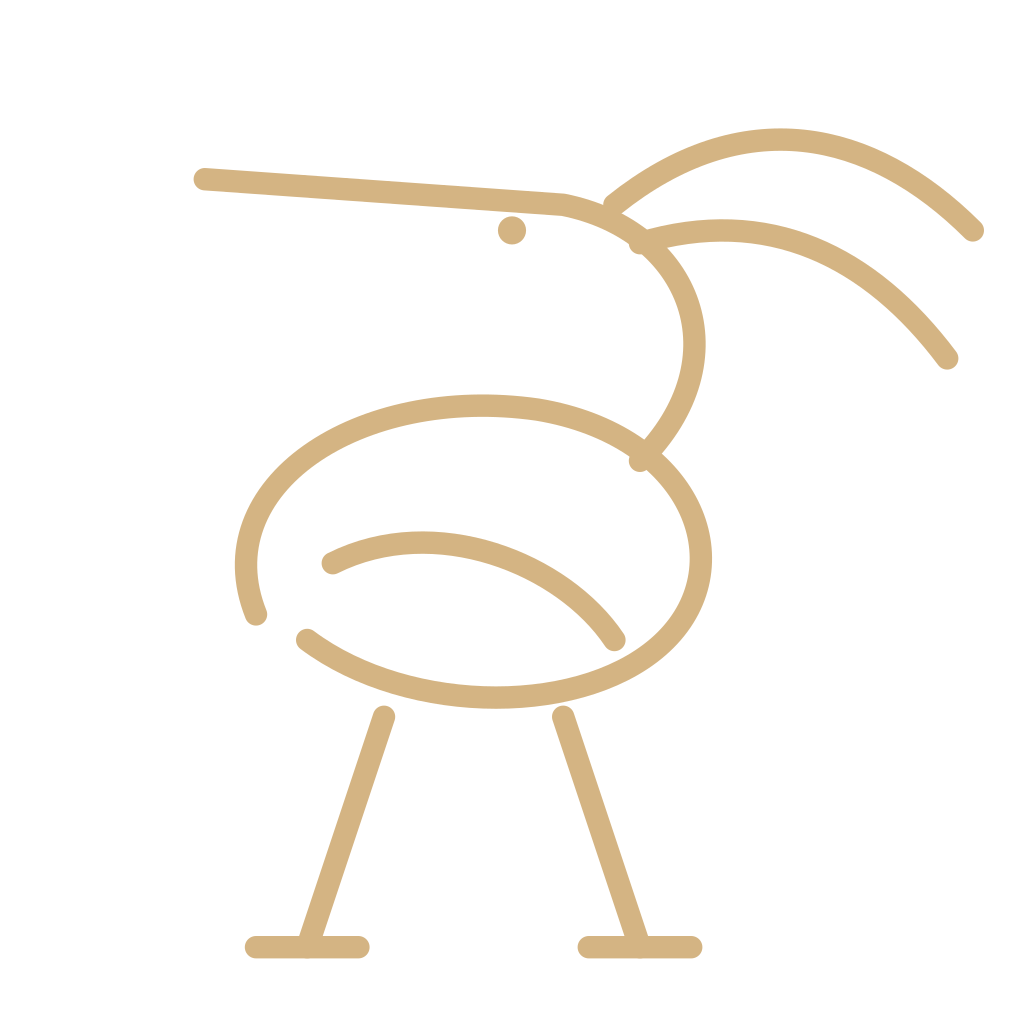
The drawing is a standing heron in profile with two crest feathers. It is not a flame, and it is not a Greek bird rising from ash.
Bennu or phoenix?
- What each is
- The bennu is the heron of Heliopolis, perched on the benben stone. The phoenix is the bird Herodotus described, with a five-hundred-year cycle.
- How to tell them apart
- The Egyptian bird is a heron in the temple texts, a wagtail in the Pyramid Texts. The long cycle is Herodotus, in the 5th century BC, not an Egyptian spell.
- Where the confusion comes from
- Greek readers met the bennu and wrote the phoenix over it. The later bird inherited a name and a timetable the heron did not have.
Egyptian
Heron, then a Greek bird
Heliopolis already had a theology of the first sunrise. The benben is the stone of that moment. The bennu on the stone is the bird of that moment. Spell 83 lets the dead take the bird’s form. That is an Egyptian afterlife claim. Herodotus is a visitor with a different bird and a timetable. Once the phoenix exists in Greek, every later European phoenix can be walked back to Egypt by people who want one origin for every fire-bird. The walk skips the wagtail, the heron, and the century of the Greek text. This cabinet already has a phoenix page. The two stay apart so the cycle of five hundred years cannot be quoted as if a pyramid had said it. A crest of two feathers is the heron’s mark in the drawing. Ash is the phoenix’s later scenery. Do not paint ash onto the heron to make the link easier.
In popular culture
literature · 5th century BC
Phoenix retellings
Greek and later European fire-birds inherit a timetable the heron did not have.
Herodotus is the later reader. A modern film phoenix is later still, and it is not Spell 83.
SourceWorth knowing
- The five-hundred-year cycle belongs to Herodotus in the 5th century BC, not to an Egyptian spell. Source
Questions
What is the bennu?
The bird of Heliopolis that perched on the benben stone. Spell 83 is for taking its form. It is a wagtail in the Pyramid Texts and a heron from the Middle Kingdom.
Is the bennu the phoenix?
Herodotus described a phoenix in the 5th century BC and the long cycle is his. The Egyptian bird did not have that timetable. The pages stay separate.
Why a heron in the drawing?
Because that is the form from the Middle Kingdom on. The older wagtail is named on this page and is not redrawn as a heron in disguise.
Near this
Sources
Named when the entry depends on a text, a date, or a standard. Catalog numbers are not invented.
Your margin
Private. It stays in this browser and never joins the canon.
symbol.wiki, edited as Sigilla. Last reviewed 18 October 2026. A reading of public tradition, not a ruling.