East Asian
East Asian symbols and meanings
Polarity as motion, and a circle left open on purpose.
East Asian marks here are polarity drawn as motion, and a circle left open on purpose. The yin-yang, the taijitu, is a Chinese diagram of complementary halves, each already containing the other. It is not a peace sign and not a race of two opposed substances. The ensō is a Japanese Zen circle, brushed in one stroke, often left incomplete, and it is not the taijitu with the dots removed. The bagua are the eight trigrams, a binary system of broken and unbroken lines long before anyone used the word binary for a computer. A television show can put an octagon on a station and call it dharma. The trigrams remain a Chinese text. These pages keep the brush, the diagram, and the later costume in different sentences. A television octagon can quote the bagua. It does not become the Yijing. The lines were a sorting method long before they were a station logo.
Polarity is not a fight, and a brushed circle is not a diagram with the dots erased. The bagua are older, as a system, than the swirl people put on products. A television octagon can quote the trigrams. Quoting is not authorship. The yin-yang page is the one to read if you have only met the mark as a tattoo. The ensō page is the one to read if you thought the circle was the same drawing.
3 marks in the lexicon. A symbol can sit in more than one tradition. The page says which use is which.
Start here. Yin and yang. The taijitu is the East Asian mark that traveled farthest. The ensō and the bagua are not variants of it.
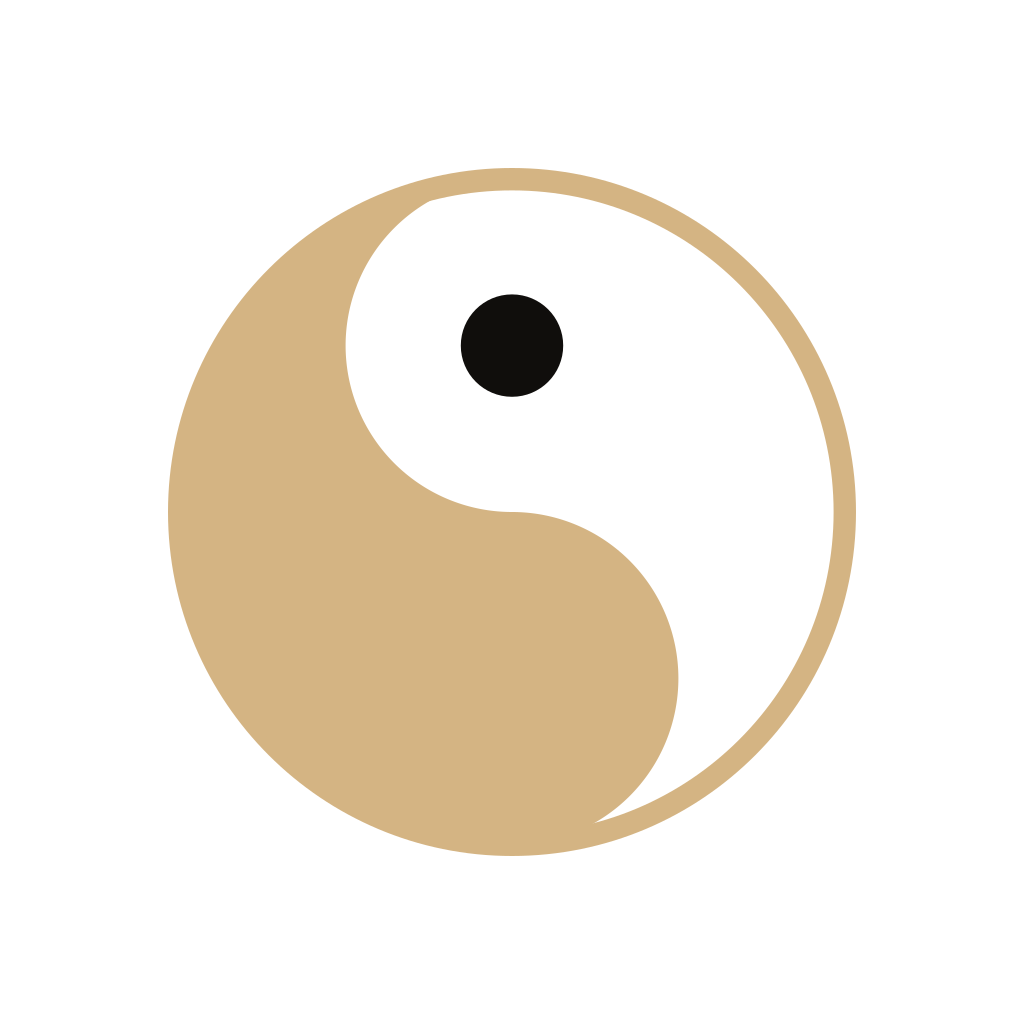 Yin and yangTwo phases of one motion, each carrying the seed of the other.
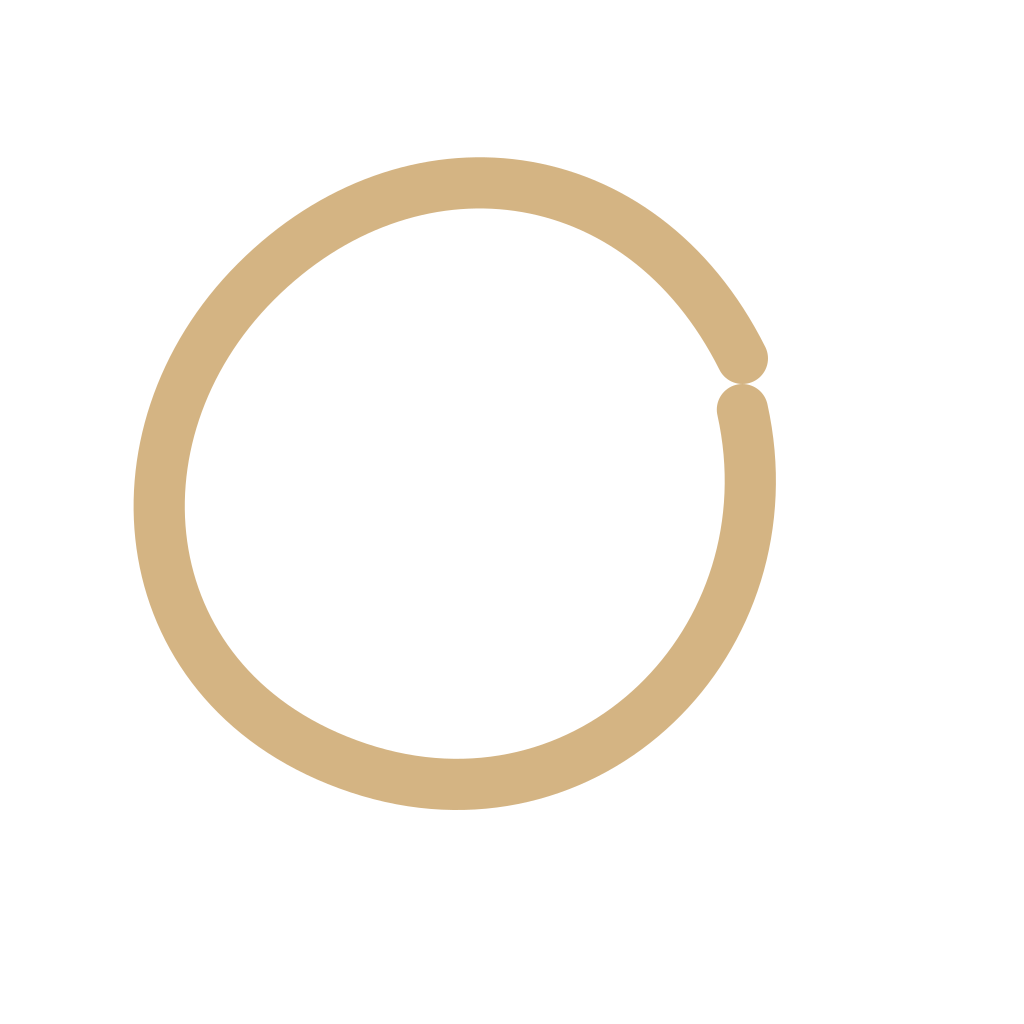 EnsōOne brushstroke, usually left unfinished.
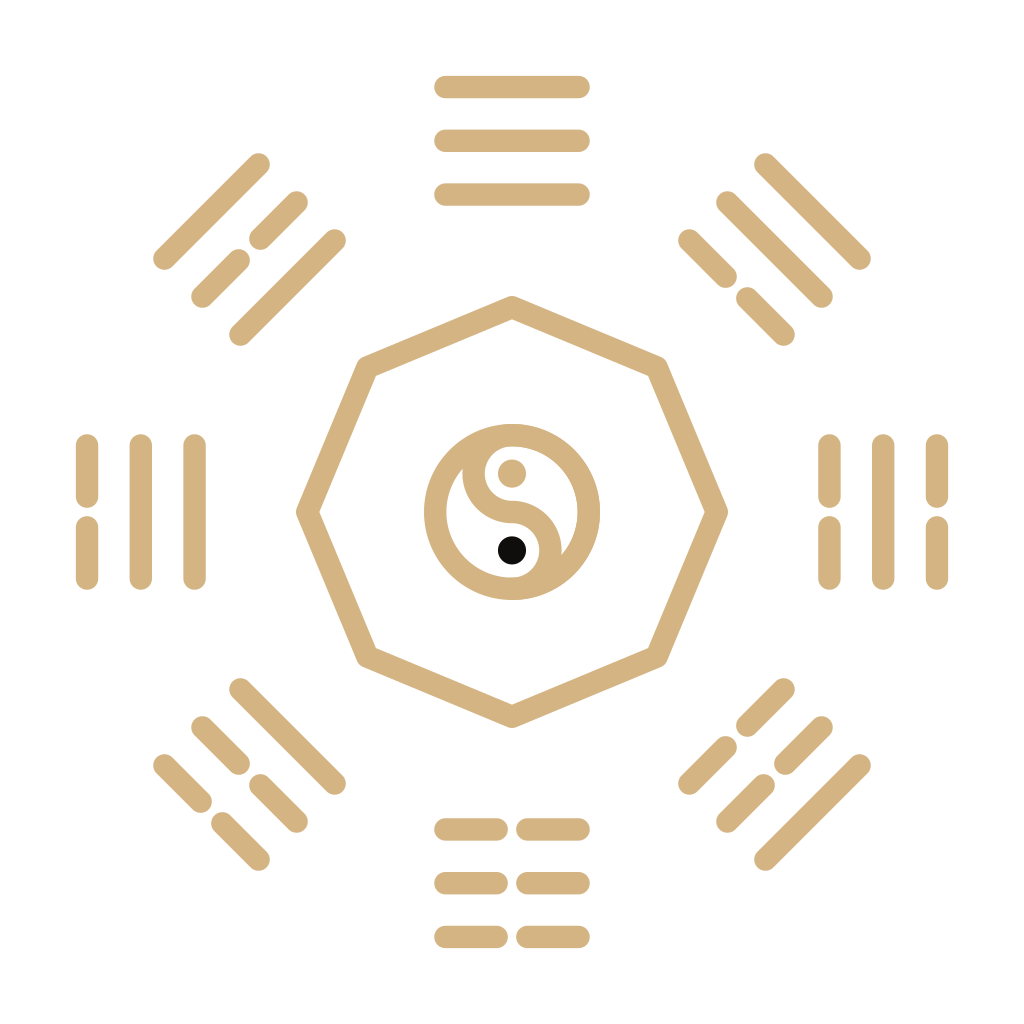 BaguaEight arrangements of solid and broken lines. A system of signs, not a logo.
Questions
What are the main East Asian symbols?
The main East Asian marks here are the yin-yang and the ensō, with the bagua filed as the eight trigrams. The taijitu is complementary polarity. The ensō is a brushed circle from Zen practice. The bagua are a line-system from the Yijing, eight arrangements of solid and broken lines. A logo that borrows the swirl has not become the diagram.
What is the oldest East Asian symbol here?
The trigrams, as a system, are older than the familiar taijitu swirl and older than the Zen ensō. The Yijing’s lines are an ancient sorting. The black-and-white swirl that people call the yin-yang settles into its common form later, with Zhou Dunyi’s tradition in the Song period a usual landmark, and popular printing after that. The oldest marks in the set are lines, not the swirl.