Buddhist
Buddhist symbols and meanings
Wheels, knots, and a mind that is not stained by what it grows in.
Buddhist marks here are wheels, knots, and a flower that is asked to grow in mud without taking the stain. The dharmachakra is the wheel of the teaching, with a sermon behind it, the first turning at Sarnath. The endless knot is one of the eight auspicious signs, especially in Tibetan and Himalayan art, and the drawing’s point is mechanical: you cannot pull one strand free. The lotus is shared with Indic religion and does not become Buddhist only because a page says so. A Buddha image is not in this cabinet. These are signs, not portraits. Later mindfulness branding uses the wheel and the lotus as mood. The pages say when that use is a use, and when it has left the doctrine behind. A wellness brand can rent the wheel for a season. It cannot backdate the rental to the first sermon. Sarnath is a place. A mood board is not that place.
The wheel is a claim that a teaching was set moving, not that a circle is holy by geometry. The knot is a claim that a strand does not come free, not that every interlace is Tibetan. The lotus is shared with the Indic file and is not re-baptized here. If you need a longer list of auspicious signs, this cabinet is the wrong size. It is trying to be exact about the ones it has.
7 marks in the lexicon. A symbol can sit in more than one tradition. The page says which use is which.
Start here. Dharmachakra. The wheel is the Buddhist mark with a named sermon behind it, not only a pleasing circle.
 EnsōOne brushstroke, usually left unfinished.
 OmA sonic cosmology in one syllable.
 LotusWhat rises clean from the mud it grew in.
 DharmachakraA wheel set turning, with a hub that does not.
 Endless knotA line with no start, so nothing in it stands alone.
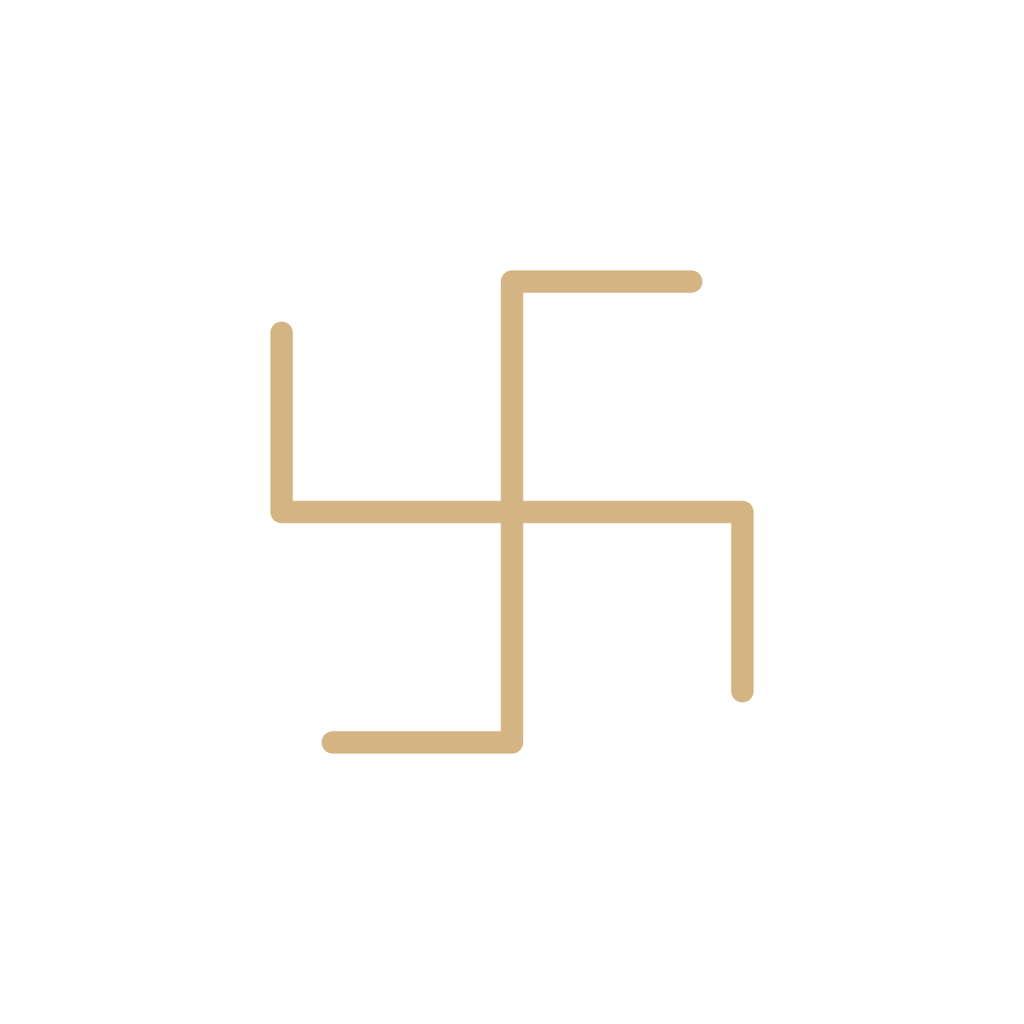 SvastikaA bent cross that meant well-being, and was later occupied.
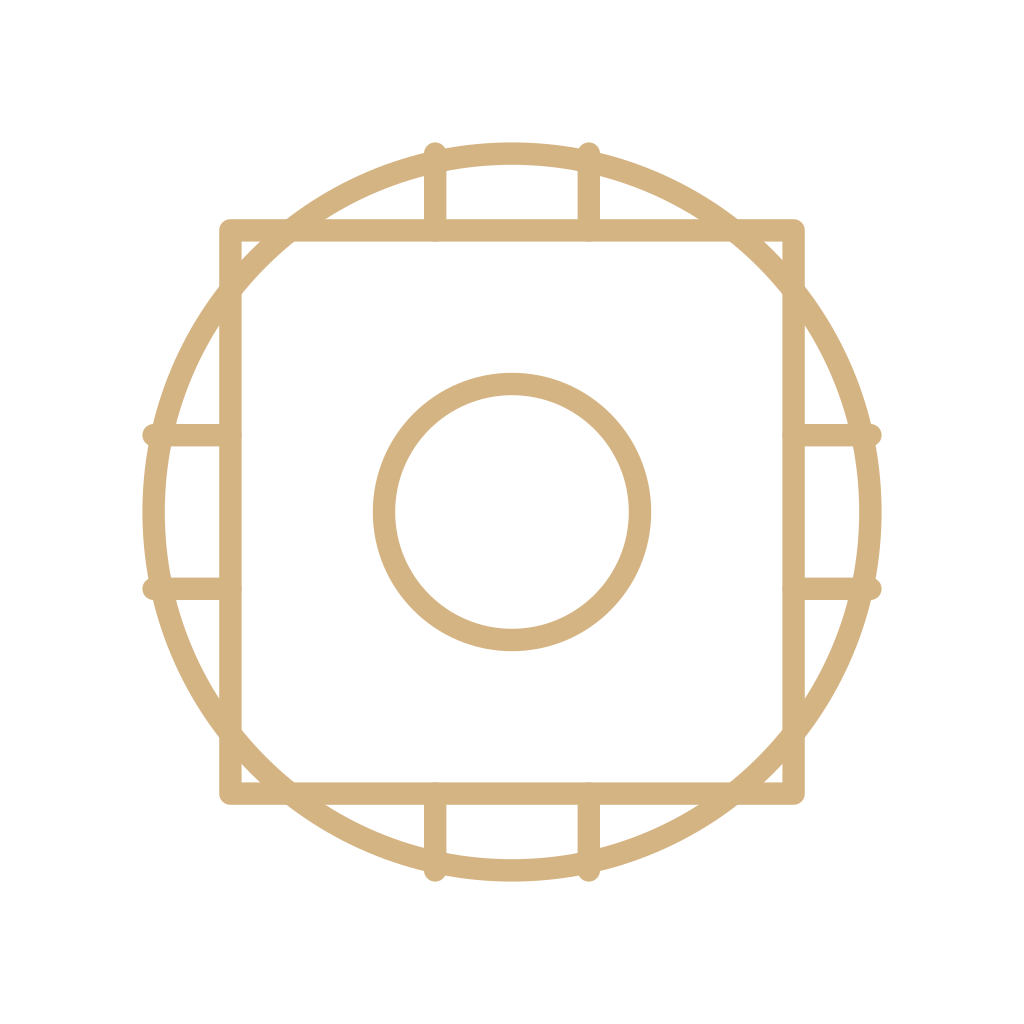 MandalaA circle used as a ritual diagram. Jung’s reading is a later one.
Questions
What are the main Buddhist symbols?
The main Buddhist marks here are the dharmachakra and the endless knot, with the lotus shared with the wider Indic file. The wheel is the teaching set in motion. The knot is an auspicious interlace, one strand that will not come apart. The lotus is a seat and an image of non-staining. None of these is a portrait of the Buddha.
What is the oldest Buddhist symbol here?
The wheel is the oldest in doctrinal terms. The first turning of the wheel is the tradition’s name for the first sermon. Wheels on early Indian Buddhist art are older than the Tibetan form of the endless knot. The knot’s auspicious set is real and later than the sermon. The page for the wheel says what the eight spokes are asked to mean, and what they do not prove.