
Mandala
Sanskrit ritual diagram; sand mandalas are a Tibetan practice; Jung is 20th century
Buddhist symbolsAt a glance
- Meaning
- A ritual circle. In tantric use it is a diagram, not a mood.
- Origin
- Sanskrit mandala; Tibetan sand is one form; Jung is 20th century
- Often confused with
- Dharmachakra: A wheel of teaching. Not a palace diagram.
- Also called
- ritual circle
Mandala meaning
Mandala is a Sanskrit word for circle. In tantric practice it is a ritual diagram. Tibetan sand mandalas are one later form of that work. Carl Jung’s psychological reading belongs to the 1920s through the 1950s. It is not the rite.
A circle used as a ritual diagram. Jung’s reading is a later one.
The name. Sanskrit mandala, circle.
Where it comes from
Mandala means circle. In Indic and Buddhist tantric practice the circle is a diagram you enter, not a decoration you glance at. Deities, palaces, and offerings have addresses inside the figure. The square with four gates is the palace plan many people recognise: a circle outside, a square, a circle inside. That plan is a ritual instrument. It is also a teaching picture.
Tibetan monks make sand mandalas and then sweep them away. The sweeping is part of the practice people now know from museums and from public demonstrations. A sand mandala in a gallery is a real technique shown outside the rite’s full setting. The Met and other museums hold painted mandalas that were made to last, which is a different lifespan from sand. Both are mandalas. Permanence is not required by the word.
Carl Jung, from the 1920s into the 1950s, took the circle as an image of the self and asked patients and himself to draw them. That is a later reader, and a famous one. A Jungian circle is not a consecrated palace. A poster in a waiting room is further still. The Sanskrit word does not belong to the clinic, even when the clinic borrows it.
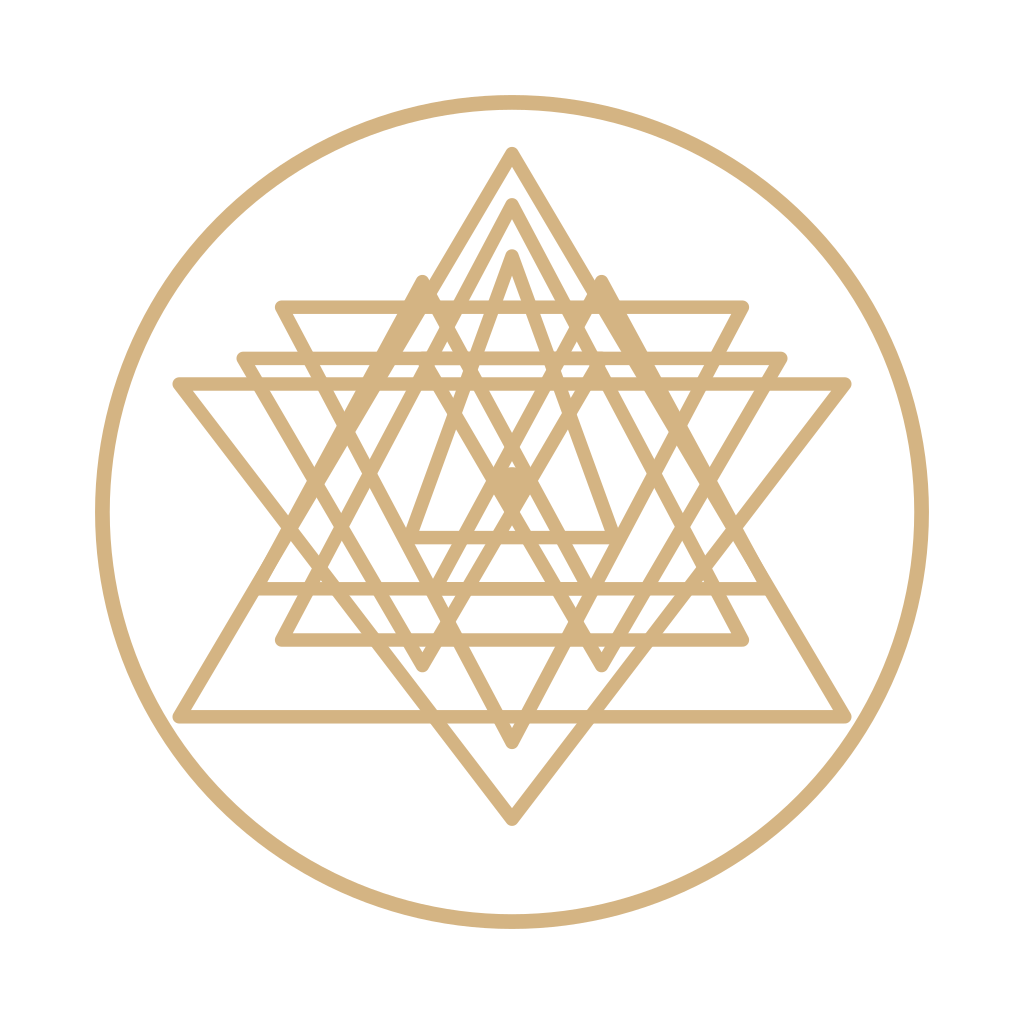
The drawing is the simple plan: circle, square with four gates, inner circle. It is not a finished deity mandala, and it does not pretend to be one lineage’s measured diagram.
Buddhist
A palace you enter
The Buddhist use and the wider Indic use share the word and a family of diagrams. They are not one sect. A page in both cabinets is a warning against a single owner. The four gates are the feature that makes a circle a palace rather than a halo. Jung’s circles often lack the gates, the deities, and the consecration, which is how you can tell a clinic drawing from a rite if you are willing to look. Public sand displays, from the late twentieth century on, taught a wide audience the word. The audience then used it for any symmetric picture. Symmetry is cheap. A mandala in this lexicon is the ritual circle, and the sand and the painted cloth are examples. A colouring book is a later reader.
In popular culture
product · 21st century
Colouring-book mandalas
Any symmetric circle is sold as a mandala for calm.
The colouring book is contemporary. Calm is not the tantric job, and Jung’s clinic is a different later reader, dated to the 1920s–1950s.
SourceWorth knowing
- Jung’s mandala reading is a twentieth-century psychology. The ritual diagram is older. Source
Questions
What does mandala mean?
Circle, in Sanskrit. In tantric practice it is a ritual diagram, often a palace with four gates. It is not a generic word for any round pattern.
What did Jung do with it?
From the 1920s to the 1950s he read drawn circles as images of the self. That reading is modern psychology. It is not the rite.
Why sand?
Tibetan sand mandalas are built and then swept away. Painted mandalas in museums were made to be kept. Both use the diagram. They do not have the same lifespan.
Near this
Sources
Named when the entry depends on a text, a date, or a standard. Catalog numbers are not invented.
Your margin
Private. It stays in this browser and never joins the canon.
symbol.wiki, edited as Sigilla. Last reviewed 18 October 2026. A reading of public tradition, not a ruling.