At a glance
- Meaning
- An Italian horn amulet. Its ancient origin is uncertain.
- Origin
- uncertain
- Often confused with
- Nazar: A glass bead from western Türkiye, not a horn. Evil eye: The belief. The horn is one object worn against it.
- Also called
- cornetto, Italian horn
Cornicello meaning
The cornicello is an Italian twisted horn amulet. Stories that start it in Greece or Rome are later readers. This page marks the origin uncertain.
An Italian twisted horn worn as an amulet. Ancient origins claimed for it are later readers.
The name. Italian cornicello, a little horn.
Where it comes from
The cornicello is a small twisted horn worn in Italy, often against the harmful glance. The object is familiar. The ancient pedigree is not. Popular accounts derive it from Greek or Roman horns, from fertility charms, or from a god’s attribute. Those derivations are later readers unless a museum chain is shown. This page did not find a chain it could lead with. The origin is marked uncertain.
Uncertain is a positive statement. A living Italian custom, especially the horn people meet in Naples, does not need a fake Pompeii number. The evil eye is the belief. The nazar is a Turkish bead. The cornicello is a horn. A shared fear is not a shared workshop.
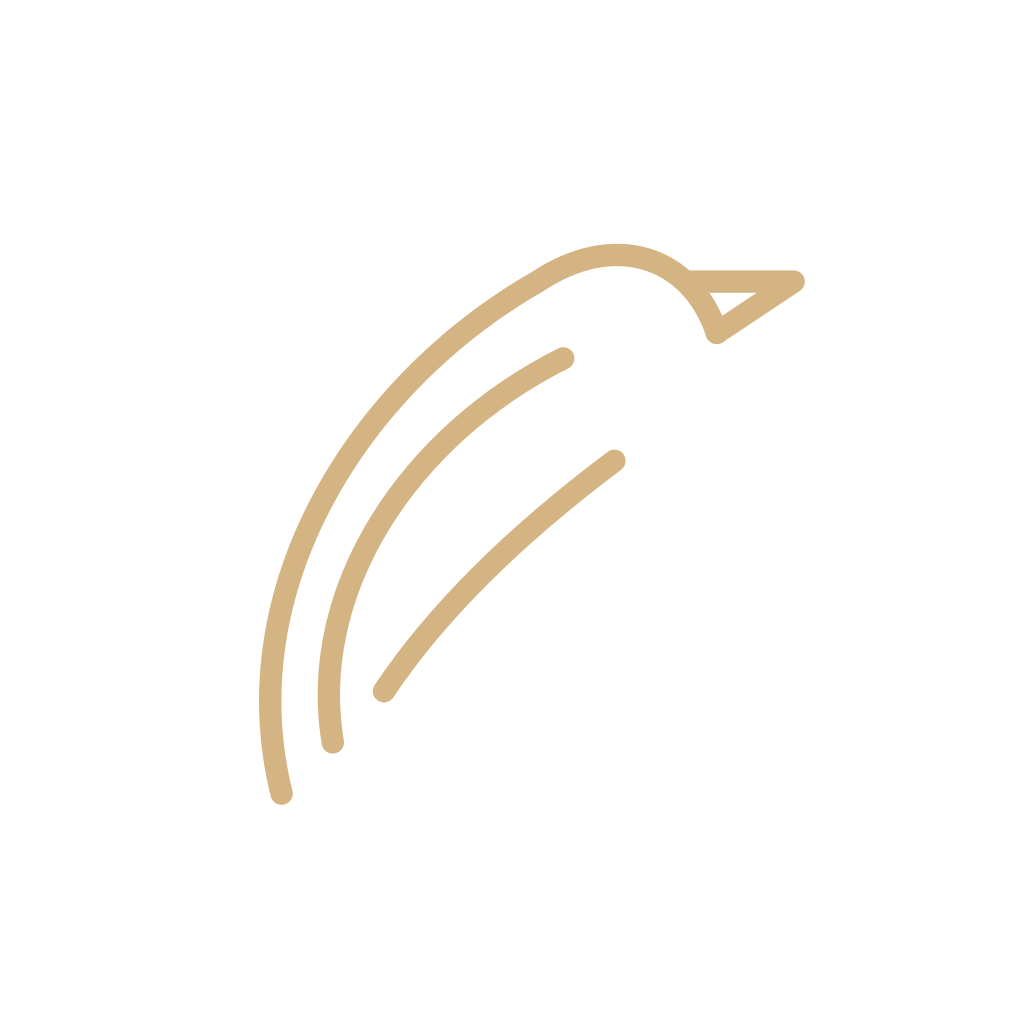
The drawing is the twisted horn. It shows the pendant, not a measured museum piece. If a dated Italian catalog entry is brought later, the era line can move. Hellenic filing points at the Greek-shaped claim. It does not confirm the claim.
A drinking horn and a shofar are other horns. They are not this charm. The twist and the small size are what people recognise on a chain.
Hellenic
A claim this page will not promote
A Hellenic cabinet can hold a mark whose Greek story is the thing being tested. The test fails here, for lack of a dated object. That failure is the content. A gold horn sold as ancient luck is a modern transaction using an Italian form. The form can be old in Italy without being classical Greek. The page would rather look incomplete than invent a sarcophagus. The cap on the wide end of the drawing is the pendant’s fitting. It is not a liturgical object. A horn that is a musical instrument, a hunting trophy, or a reliquary has another job. Those jobs are not the cornicello’s, and they should not be used to backfill a date the pendant does not have.
In popular culture
product · 20th century
Lucky horn jewellery
The horn is sold with a story that begins in antiquity.
The antiquity story is the later reader. The pendant is Italian. The start date stays open.
SourceWorth knowing
- The era line is uncertain on purpose. A later ancient-origin story is not promoted to a date. Source
Questions
What is a cornicello?
An Italian twisted horn worn as an amulet. The origin before the Italian custom is uncertain in this lexicon.
Is it an ancient Greek symbol?
That is the claim. This page does not have the object that would make the claim safe, so it says uncertain.
How is it different from a nazar?
A horn is not a glass bead. Both are worn against a glance. The crafts are different.
Near this

Sources
Named when the entry depends on a text, a date, or a standard. Catalog numbers are not invented.
Your margin
Private. It stays in this browser and never joins the canon.
symbol.wiki, edited as Sigilla. Last reviewed 18 October 2026. A reading of public tradition, not a ruling.