Islamic
Islamic symbols and meanings
Emblems of dynasty and of protection — not all of them are in the Quran.
Islamic marks in this cabinet are fewer than a tourist shop, on purpose. The star and crescent is a dynastic and then national emblem. It is not a verse, and it is not required by the Quran. The hamsa, the open hand, is worn across several traditions, including Jewish and Islamic ones, and it does not become one culture’s property by being filed here. The evil eye, as a belief about envy, is wider than any single bead. The blue nazar is a technology for that belief, Ottoman glass, not a Quranic command. These pages say what is emblem, what is amulet, and what is scripture. They do not decorate a faith with symbols it did not ask for. Where a mark is shared, the entry says shared. Scripture, dynasty, and amulet are three files. This hub exists so they are not dumped in one tray. A basket in a shop is not a fourth file.
The star and crescent is what a search expects, so it is the start. It is also the mark most often mistaken for a verse. The verse is not in this cabinet, because the lexicon is not a Quran. Protection marks that Muslims have used are here when they are also someone else’s marks, and the pages say so. Shared is a factual word. It is not a dissolution of the difference.
4 marks in the lexicon. A symbol can sit in more than one tradition. The page says which use is which.
Start here. Star and crescent. The star and crescent is the Islamic mark people expect. The page’s job is to say what it is not.
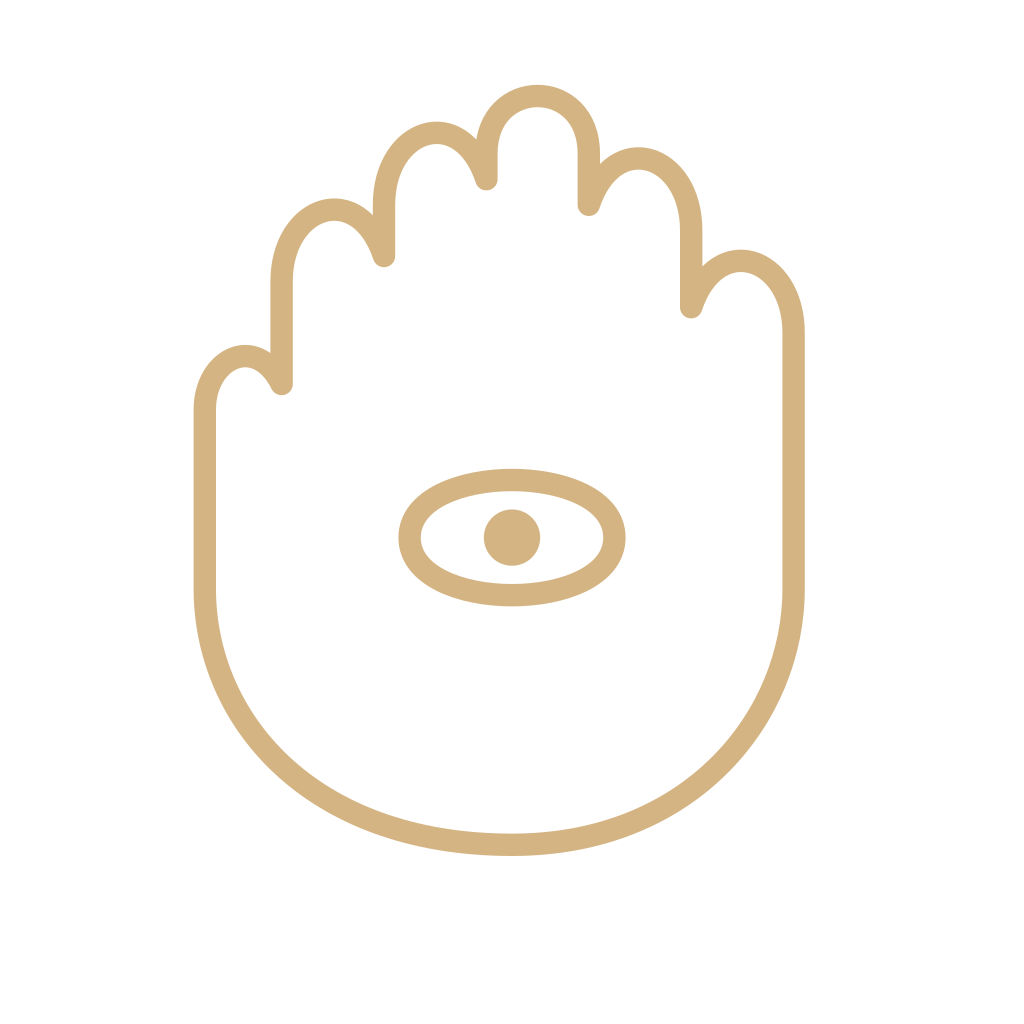 HamsaAn open hand against the evil eye.
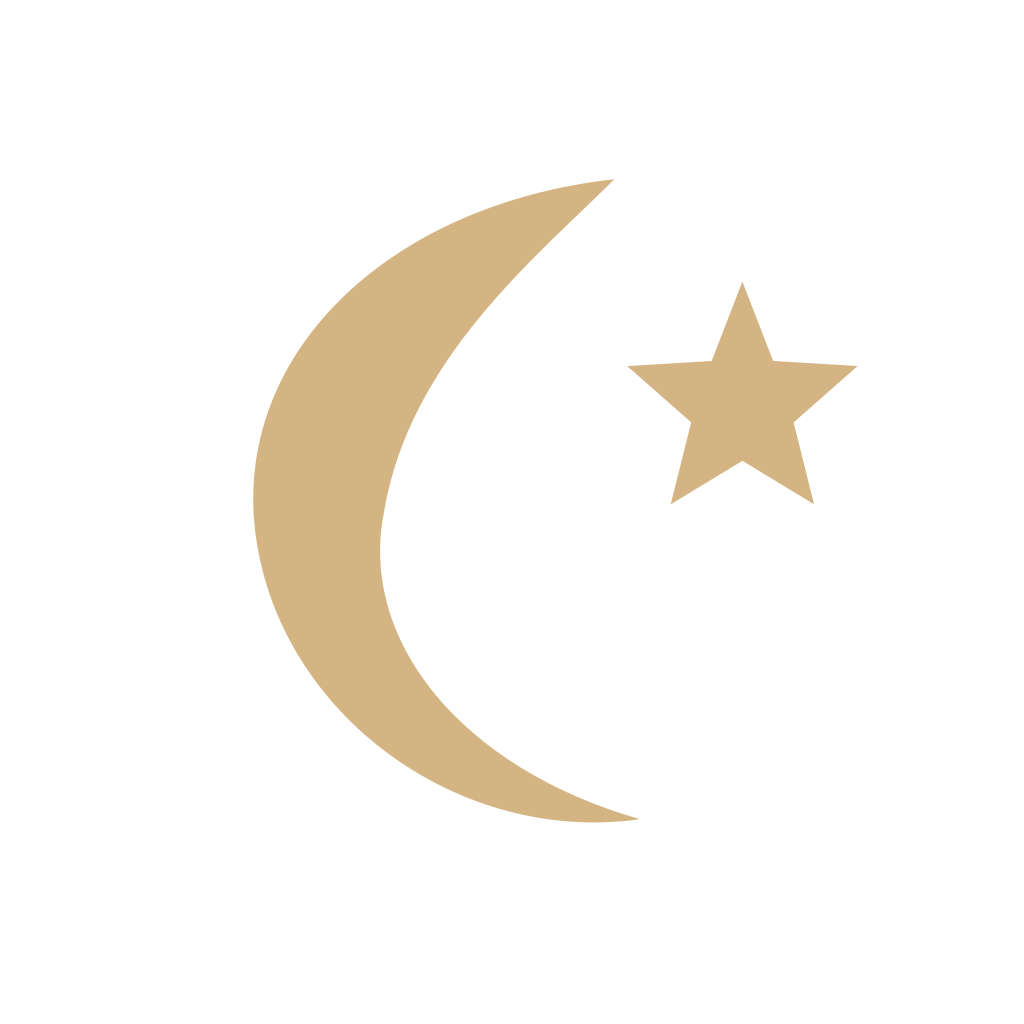 Star and crescentA lunar blade and a star — a dynasty’s badge that went traveling.
 Evil eyeA look that harms, and a glass eye that looks back.
 NazarA blue glass bead made against a harmful glance, centred on Nazarköy in western Türkiye.
Questions
What are the main Islamic symbols?
The star and crescent is the emblem most readers mean. It is a dynastic and national sign, not a verse of the Quran. The hamsa and the evil eye are protection marks used in Islamic societies and also outside them. They are filed under more than one tradition because the use is more than one tradition. None of these is a substitute for the written profession of faith.
What is the oldest Islamic symbol here?
The belief in the evil eye, under Arabic names such as al-ʿayn, is older than the blue glass nazar and older than the star and crescent as a flag. The hamsa has a long life around the Mediterranean. The star and crescent as an Ottoman and then national emblem is a political history, datable, and late relative to the faith itself. The oldest thing in the set is a fear of envy, not a logo.