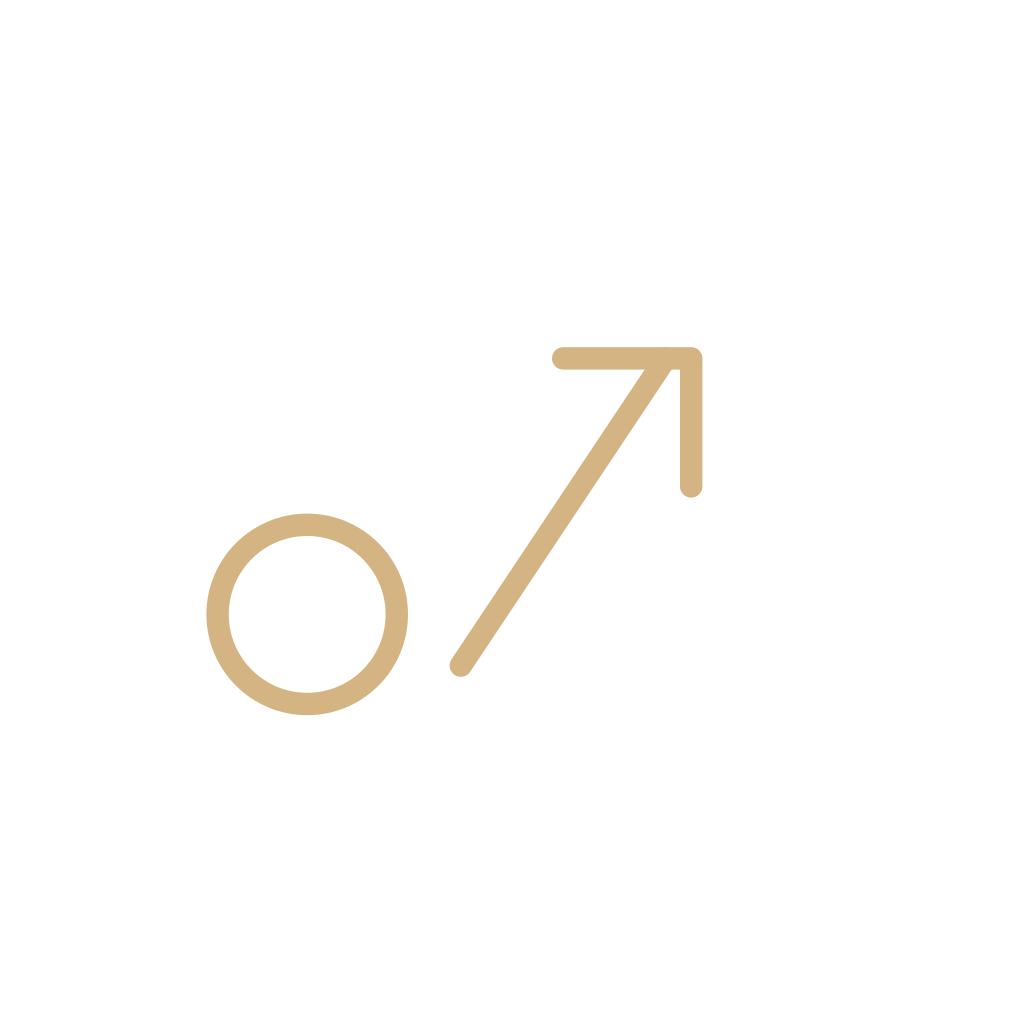
Pressure tendency
Also called pressure change, 3-hour tendency, barograph
Station model. What an observer recorded, not a weather-app forecast.
Present weather and station modelsPressure tendency meaning
Pressure tendency on a station model is the change over three hours: an amount in tenths, and a symbol for whether it rose or fell. It is not the pressure itself.
At a glance
- System
- NOAA station model
- Used for
- The three-hour pressure change
- Not the same as
- The sea-level pressure code, or a front
How pressure changed in the last three hours. Not the sea-level pressure code, and not a front.
The name. The tendency is the three-hour pressure change, a number in tenths plus a symbol for the shape of the change.
Where it comes from
The Weather Prediction Center describes the tendency as the three-hour change in tenths of a millibar, plotted with a symbol. The three-digit sea-level pressure nearby is a different code, the one that turns 103 into 1010.3. This page does not redraw every tendency symbol in the plotting handbook. The rising stroke in the drawing is a reading aid for “pressure rose,” not a claim that one diagonal is the whole code.
The line drawing is original to this cabinet. It is not an agency logo, a vendor icon, or the emoji for the same idea.
Weather
What it means
The barometer’s recent behavior at that station. Rising and falling are the part a reader can use without the full symbol set: the air column was gaining or losing. A front on a map is a boundary between air masses. A tendency can agree with a front’s approach and still not be the front. The isobar is the line of equal pressure. The tendency is the change at a point.
Variants
The symbol set
Steady, then rising, falling then rising, and the other shapes are why the code is a set. If you are plotting, use the handbook. If you are reading, trust the number’s sign and the legend on that map.
Questions
What is the pressure tendency on a station model?
The Weather Prediction Center plots the three-hour change in tenths of a millibar, plus a symbol for how the trace behaved. It is not the three-digit sea-level pressure.
Does a falling tendency mean a low is coming?
It means pressure fell at that station. A low on the map is a pressure center. The two are often discussed together. They are not the same symbol.
Near this
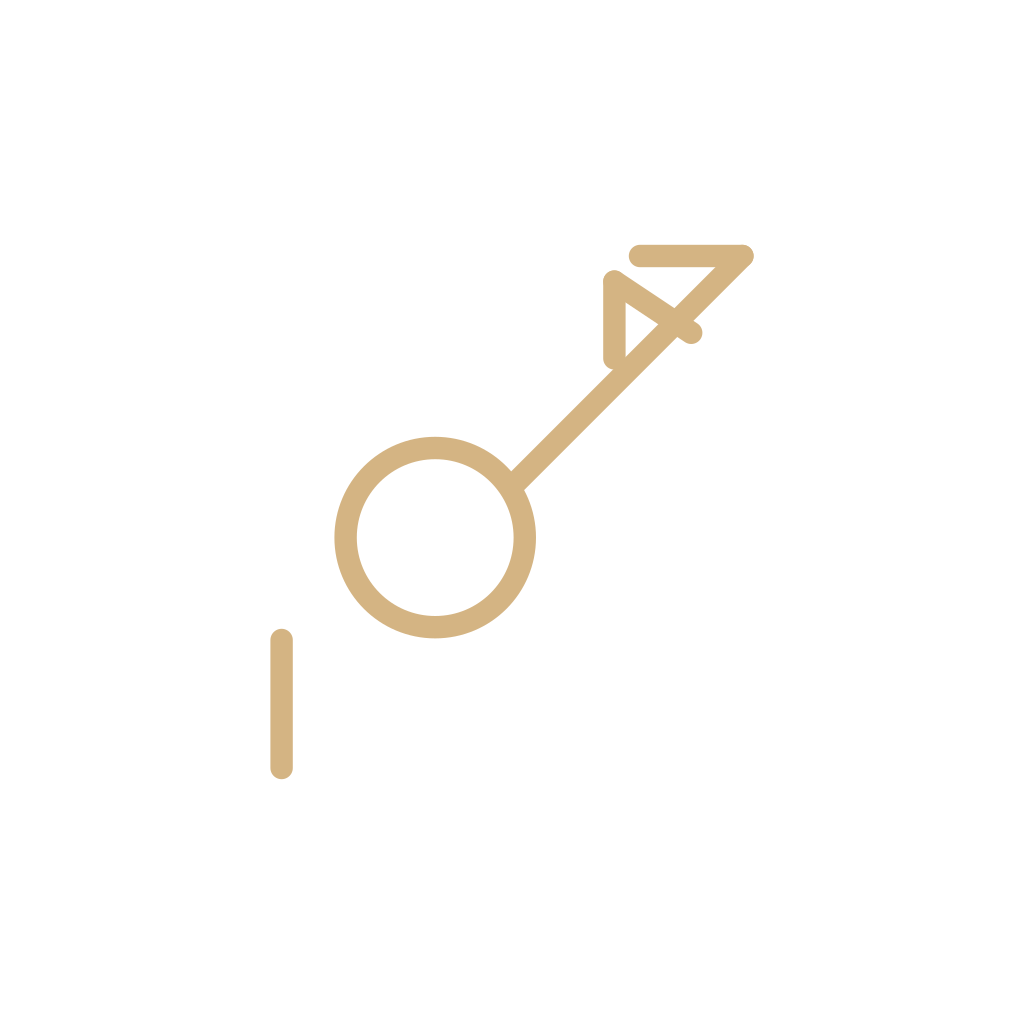
- Station modelThe whole observation plot. Sky in the circle, wind on the barb, weather only if something is falling or the air is thick.
- IsobarA line joining equal pressure. The number is the pressure. The line is not a front.
- High pressureAn H for a high-pressure center. The letter is the symbol. Color is extra.
- Low pressureAn L for a low-pressure center. Not a rain icon, and not a cold front.
Sources
Named when the entry depends on a text, a date, or a standard. Catalog numbers are not invented.
Your margin
Private. It stays in this browser and never joins the canon.
symbol.wiki, edited as Sigilla. Last reviewed 18 October 2026. A reading of public tradition, not a ruling.