At a glance
- Meaning
- The bird that returns with an olive leaf. The peace poster is 1949.
- Origin
- Genesis 8:11; Picasso’s lithograph chosen in 1949
- Often confused with
- Cross: A Christian cross is not this bird. Both are used for peace by later readers.
- Also called
- dove and olive leaf
Dove meaning
In Genesis 8:11 the dove returns to Noah with an olive leaf. That is the biblical sign. Picasso’s lithograph of a dove, chosen by Louis Aragon for the 1949 Paris Peace Congress poster, is a later reader. The emoji is later still, and it is not the bird in the verse.
Unicode
U+1F54A is a dove emoji. It is a later character. It is not the bird in Genesis, and this page does not offer it as the copyable mark.
The bird that brings an olive leaf in Genesis. The peace poster is 1949.
The name. Dove, the bird. The olive sprig is the sign in the flood story, not a separate species.
Where it comes from
Genesis 8:11 is a short verse with a clear picture. The dove comes back to the ark in the evening with a freshly plucked olive leaf in its bill. Noah knows the waters have abated. The leaf is the information. The bird is the carrier. Peace, as a political word, is not in the verse. Dry land is.
Christian art kept the bird. The Spirit at the baptism is also a dove, which is a second Christian use and not the flood. This page leads with the leaf, because the leaf is the sign people mean when they put a sprig in the beak. A dove with no sprig can be the Spirit, a sacrifice, or a bird. The sprig picks the flood.
In 1949 Louis Aragon chose a lithograph by Pablo Picasso for the poster of the Paris Peace Congress. The Victoria and Albert Museum holds that poster. The bird there became a twentieth-century peace mark. Aragon’s choice is the later reader, and the year is the date. A peace movement that inherits the poster inherits 1949, not the evening in Genesis. The two can be printed on one page only if the dates stay noisy.
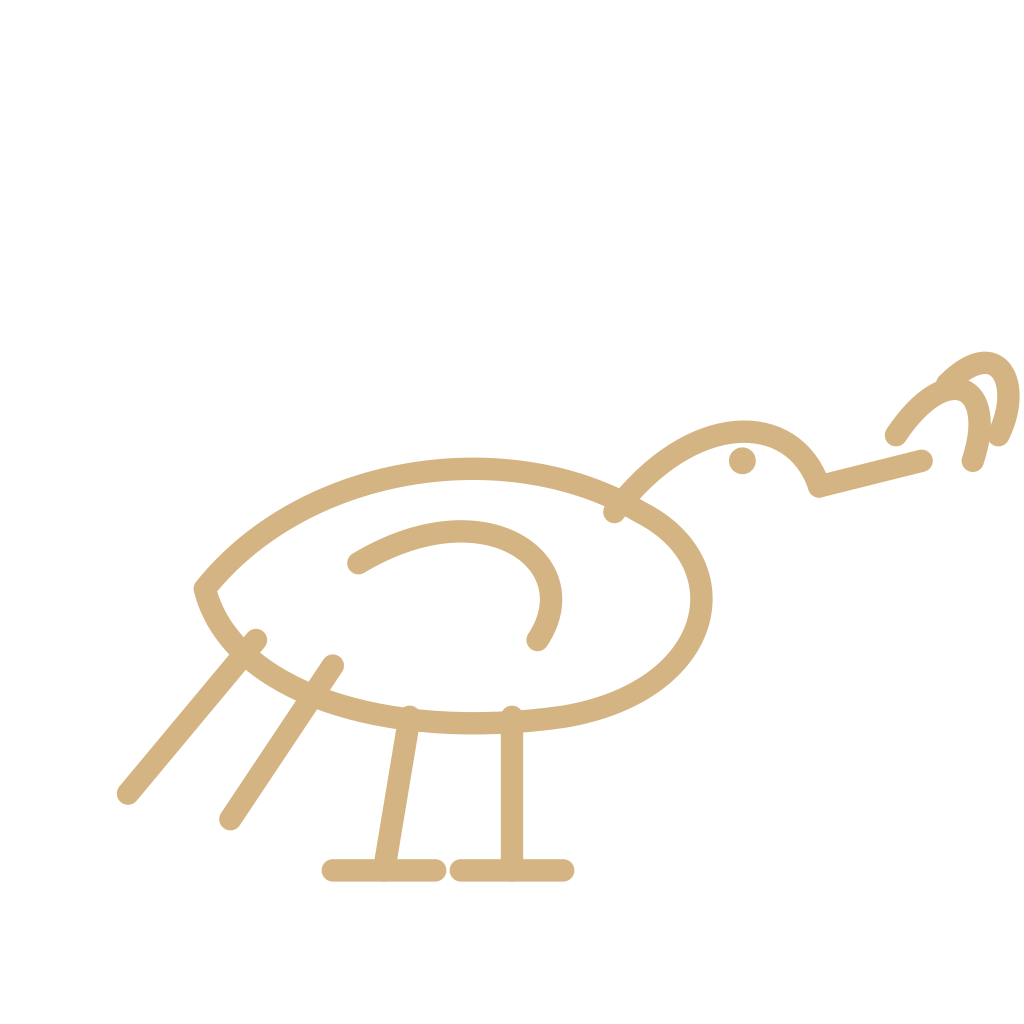
The drawing is a dove in profile with an olive sprig. It is not Picasso’s lithograph, which is someone else’s artwork, and it is not the emoji.
Christian
A leaf, then a poster
The biblical bird reports a change in the water. Later preaching extends the report into reconciliation, and the extension is understandable. It is still an extension. The 1949 poster makes a further move, into a congress and a cold-war argument about peace. Picasso’s doves continued after that poster. The V&A object is the one this page names, because Aragon’s choice is the documented public start of that particular fame. A white bird on a banner in 2020 may mean the poster, or the verse, or neither. Ask which century the speaker is in. The olive sprig is how this drawing votes. It votes for Genesis first. The congress is the section you are in only after the verse has been read.
In popular culture
poster · 1949
Paris Peace Congress poster
Picasso’s dove became the image of that congress and then of a wider peace iconography.
1949 is the later reader. Genesis 8:11 is the leaf. The poster does not rewrite the verse.
SourceWorth knowing
- Aragon’s choice of the Picasso lithograph for the 1949 congress is the public start of that poster’s dove. Source
Questions
What does the dove with an olive leaf mean?
In Genesis 8:11 it means the dove has found a leaf and the waters have gone down. Peace, as a slogan, is a later reading of that return.
What happened in 1949?
Louis Aragon chose Picasso’s dove lithograph for the Paris Peace Congress poster. The V&A holds the poster. That is the modern fame of the bird as a peace mark.
Is the emoji the biblical dove?
No. U+1F54A is a later character. This page does not use it as the mark. The drawing is a profile and a sprig.
Near this
Sources
Named when the entry depends on a text, a date, or a standard. Catalog numbers are not invented.
Your margin
Private. It stays in this browser and never joins the canon.
symbol.wiki, edited as Sigilla. Last reviewed 18 October 2026. A reading of public tradition, not a ruling.